🐟 Tilefish
Tilefish are a prized catch in the seafood world, known for their delicate flavor and versatile culinary uses. Found primarily in the Atlantic Ocean, these fish have become popular in many cuisines around the world. People enjoy Tilefish for their sweet, mild taste and tender texture, making them a favorite of chefs and home cooks alike. Known alternatively as "the clown of the sea" due to their vibrant colors, Tilefish are a delicious choice for various dishes, whether grilled, baked, or pan-seared.
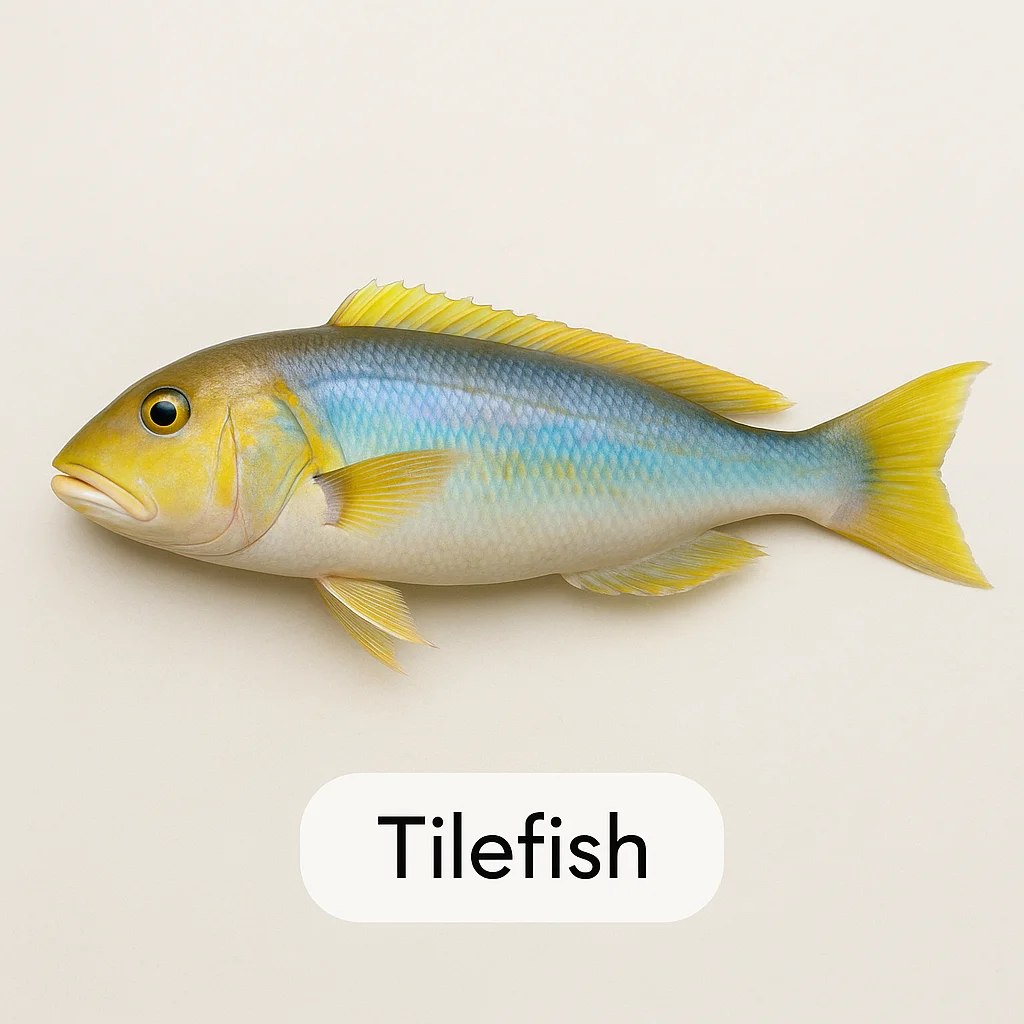
With a firm yet flaky flesh, Tilefish offer a delicious eating experience without being overpowering. They are often compared to other mild, white fish, such as snapper or halibut, but have a unique taste that sets them apart. In this article, we'll delve into the taste, cooking methods, nutritional benefits, and more about Tilefish, helping you make the most of this delightful seafood choice.
🐠 Taste & Texture
Tilefish are known for their mild flavor with a hint of sweetness that is subtle and inviting. Their texture is firm and flaky, which makes them ideal for a variety of cooking methods. Fresh Tilefish should have a clean, oceanic smell rather than a fishy or sour odor. The flake size is typically medium, allowing them to hold up well in both frying and grilling.
- Flavor: Mild and sweet
- Texture: Firm and flaky
- Smell: Clean, oceanic scent
- Flake size: Medium
🌊 Origin & Habitat
Tilefish are predominantly found in the Atlantic Ocean, ranging from Nova Scotia to the Gulf of Mexico. These fish prefer deeper waters and often inhabit the sandy or muddy bottoms near reefs. Tilefish can be found both in wild and farmed varieties, but they are most commonly harvested from the wild due to their natural habitat preferences.
Regions where Tilefish are commonly harvested include the East Coast of the United States, especially in areas like the Chesapeake Bay and the coasts of Florida. Their vibrant colors and striking appearance make them easily identifiable, even from a distance.
📅 Best Season
The best season for Tilefish typically varies by region, but they are often considered in peak condition during the spring and early summer months. During this time, their fat content tends to be higher, resulting in a richer taste and better texture. However, availability can be subject to local fishing regulations and quotas aimed at preserving sustainable populations.
🔪 Preparation
Preparing Tilefish involves several key steps to ensure optimal taste and texture. Begin by cleaning and scaling the fish, ensuring that all scales are removed. Next, gutting and trimming the fish is crucial. Look out for pin bones, which can be removed with tweezers for a smooth dining experience. Kitchen safety is vital, so remember to use separate cutting boards for raw seafood and thoroughly wash your hands and tools.
- Clean and scale the fish effectively
- Remove any visible pin bones
- Use separate cutting boards to avoid cross-contamination
To control odor, a quick rinse with water, followed by a soak in milk or application of salt, can help neutralize any unwelcome smells. However, approaches like these are based on traditions and might vary depending on personal preferences.
❄️ Storage Tips
Proper storage of Tilefish is essential to maintain its freshness and flavor. In the refrigerator, Tilefish should be consumed within 1-2 days. If storing on ice, ensure the ice is changed regularly to prevent the fish from sitting in water. When wrapping, use airtight packaging to minimize exposure to air.
For freezing, portion the fish into manageable sizes and remove as much air as possible from the packaging, using a vacuum-sealer if available. To prevent freezer burn, ensure the fish is wrapped tightly. When thawing, do so in the refrigerator to maintain safety and quality.
- Do store in airtight packaging
- Don’t freeze for longer than three months
- Do thaw in the refrigerator, not at room temperature
🍽️ Popular Dishes
Tilefish lends itself to a variety of popular dishes across different cuisines. Here are a few ideas to get you started:
- Grilled Tilefish: High heat brings out a smoky flavor while keeping the flesh moist
- Pan-seared Tilefish: A quick method that creates a crispy exterior and a tender interior
- Tilefish stew: Slow-cooked with vegetables and herbs for a comforting meal
- Fried Tilefish: A crunchy coating provides texture while sealing in moisture
- Baked Tilefish with Herbs: Gently baked, highlighting the fish’s natural sweetness
- Ceviche: If prepared raw, use sashimi-grade fish and enjoy with caution regarding freshness
🥗 Nutritional Benefits
Tilefish are a healthy choice packed with essential nutrients. They are high in protein, offering a substantial amount of the daily requirement. They also contain omega-3 fatty acids, which are beneficial for heart health. Additionally, Tilefish provide important vitamins and minerals that contribute to overall well-being.
- Protein: Essential for muscle repair and growth
- Omega-3 fatty acids: May support cardiovascular health
- Vitamins: Include B vitamins crucial for energy production
- Minerals: Such as selenium, important for immune function
⚠️ Who Should Eat & Caution
While Tilefish are a wholesome food choice, certain individuals should consume them with caution. Seafood allergies are a consideration, and as with other fish, cross-contact in preparation spaces should be avoided. Furthermore, Tilefish may contain varying levels of mercury, so it is advisable for pregnant people and young children to limit consumption.
The risks with consuming raw or undercooked Tilefish include exposure to parasites or bacteria, making it crucial to source from reliable suppliers and handle the fish with care. Safe-handling practices should always be observed to avoid foodborne illnesses.
📌 Summary
Tilefish offer a mild, sweet flavor and firm texture that make them a versatile addition to many dishes. Their distinctive vibrant colors and taste profile make them an appealing choice for both everyday meals and special occasions.
- Best enjoyed fresh for mild sweetness
- Can be prepared through various cooking methods
- Store properly for maximum freshness
Whether you're enjoying Tilefish grilled, baked, or in a stew, their delightful taste and nutritional benefits are sure to please. Remember to choose responsibly and follow safety guidelines for a delicious and safe dining experience.