🐟 Rockfish
Rockfish, a versatile and popular seafood choice, is enjoyed by people around the world for its mild flavor and appealing texture. Known by various names, including Pacific rockfish, rock cod, and Pacific snapper, this species is actually part of the Scorpaenidae family. Rockfish can be found in a variety of dishes, fitting for both casual and sophisticated culinary experiences. People often seek out rockfish for its pleasant taste, nutritional benefits, and adaptability in various cooking methods.
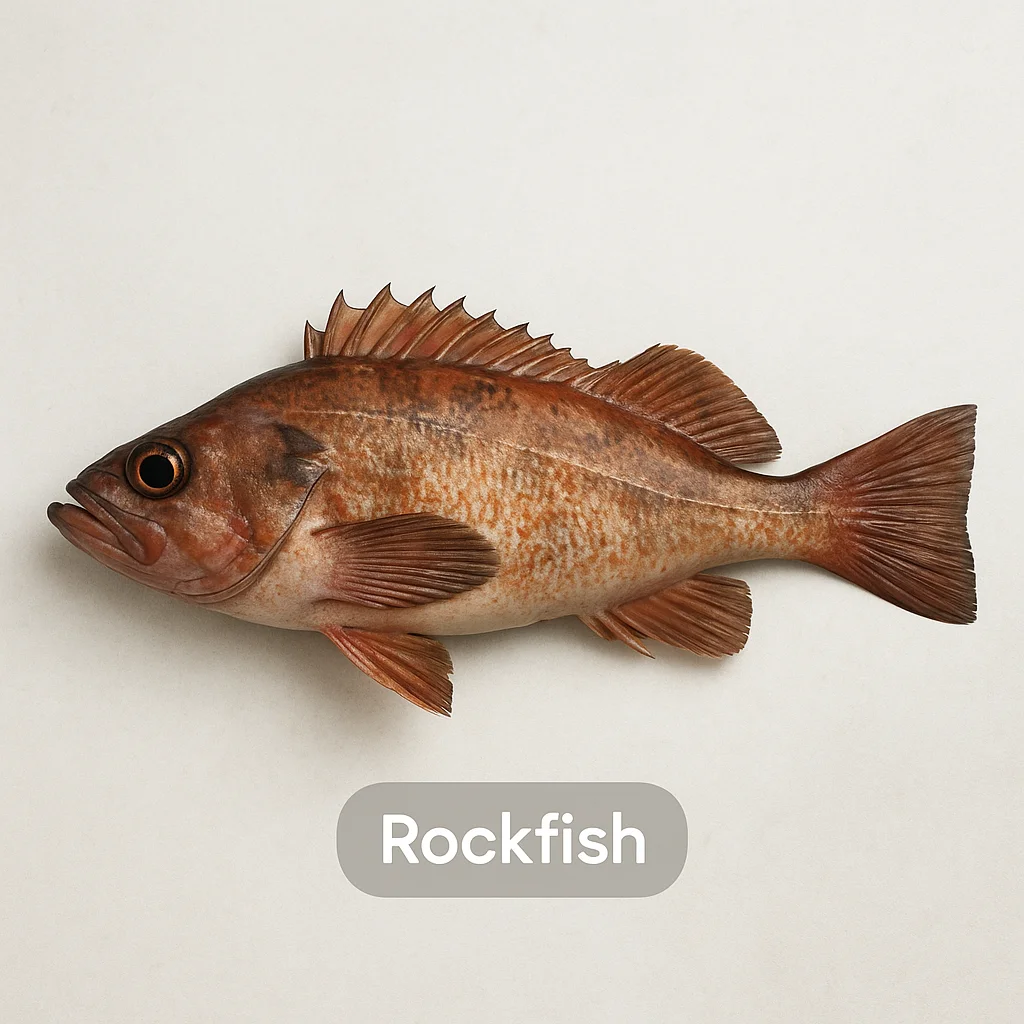
These fish are typically lean, and their flesh tends to be firm with a medium flake, making them an excellent choice for frying, baking, and grilling. Rockfish are not as well-known as oily fish like salmon, but their mild profile makes them appealing to a wide audience. The popularity of rockfish also stems from their availability to recreational and commercial fishers, contributing to their presence on many tables.
🐠 Taste & Texture
Rockfish offer a delicate flavor that leans towards a subtle sweetness, with slightly nutty undertones. They are considered a lean fish, with a firm texture that produces medium flakes when cooked. Fresh rockfish have a clean, mild ocean smell, which is a good indicator of freshness. When prepared well, the fish maintains moisture and does not overpower with fishiness.
- Mild flavor: Slightly sweet and nutty
- Texture: Firm and medium-flaky
- Aroma: Fresh and clean with no overpowering fishy odor
🌊 Origin & Habitat
Rockfish are typically found in the coastal waters of the Pacific Ocean, notably from Baja California up to Alaska. They inhabit rocky reefs and are commonly caught at depths ranging from nearshore areas to 3,000 feet deep. While some rockfish are available year-round, availability can depend on regional fishing regulations and seasons, which can affect their market presence.
Wild-caught rockfish are generally more common than farmed varieties, though both can showcase similar textures and flavors. The wild fish are often favored for their natural diet and slightly more pronounced flavor.
📅 Best Season
The peak season for rockfish can vary based on regional fishing practices and environmental conditions but generally occurs during the spring and fall months when conditions are ideal for fishing. Freshness impacts both flavor and texture, making it essential to purchase during peak times or from reputable suppliers.
In some regions, rockfish seasonality depends on specific management practices to ensure sustainable catch limits, so checking local availability can be important when seeking the freshest options.
🔪 Preparation
Preparing rockfish involves several steps to ensure it is ready for cooking. First, clean the fish by washing it under cool water, ensuring any residual slime or dirt is removed. Scale the fish with a fish scaler or the back of a knife, ensuring all scales are removed. The next step is to gut the fish by making a careful incision along the belly and removing the internal organs. Check for pin bones and remove any you find using fish tweezers. Finally, trim any fins with kitchen scissors to complete the process.
- Rinse the fish under cool water
- Remove scales thoroughly
- Gut the fish and remove entrails
- Check for and remove pin bones
- Trim fins as needed
To control any lingering fishy odors, a milk soak can be used before cooking, or quickly rinse with salt water, and pat dry. These methods can help neutralize stronger smells without altering the taste.
❄️ Storage Tips
When storing rockfish, it's essential to maintain optimal freshness. In the refrigerator, keep the fish in a covered container or airtight wrapping for up to two days. To extend shelf life, store on ice or in a cooler bag, ensuring the temperature is consistently cold.
For freezing, portion the fish into manageable sizes, remove as much air as possible from packaging, and ensure the fish is wrapped tightly to prevent freezer burn. When ready to use, thaw the fish slowly in the refrigerator overnight for the best texture and safety.
- Do: Store in the fridge or on ice
- Do: Use airtight wrapping
- Don't: Leave at room temperature
- Do: Thaw in refrigerator
🍽️ Popular Dishes
Rockfish is a versatile ingredient and can be used in a range of dishes. Here are some popular ways to prepare this fish:
- Grilled Rockfish: High heat to enhance firm texture, finished with herbs and lemon
- Pan-Seared Rockfish: Crisped on the outside, moist inside, served with a butter sauce
- Rockfish Stew: Gently cooked in a broth with vegetables and spices
- Fried Rockfish: Breaded and deep-fried for a crunchy exterior, popular in fish tacos
- Baked Rockfish: Cooked with mild flavors to maintain moisture, often with a sauce or spices
- Rockfish Ceviche: Raw preparation with citrus juices and vegetables; ensure sushi-grade quality
When handling raw rockfish for ceviche or sashimi-style dishes, it is crucial to ensure the fish is sushi-grade, and handle it with food safety in mind to prevent any risks associated with raw seafood.
🥗 Nutritional Benefits
Rockfish is a healthy source of protein and offers various nutrients beneficial to a balanced diet. While it is leaner than some seafood, it still contains a modest amount of omega-3 fatty acids, which contribute to a heart-healthy diet. Additionally, it provides several vitamins and minerals, supporting overall wellness when consumed as part of a varied diet.
- Protein: High-quality source for muscle maintenance
- Vitamins: B vitamins for energy
- Minerals: Selenium and phosphorus for metabolic function
⚠️ Who Should Eat & Caution
Individuals with fish allergies should avoid rockfish and ensure that food preparation surfaces and tools are free from cross-contact. As with all fish, rockfish may have trace amounts of mercury; those who are pregnant or nursing, and young children, should consume it in moderation based on healthcare guidance.
Attention should be given to handling and cooking rockfish thoroughly, particularly to avoid risks associated with raw seafood, which can carry parasites or bacteria. General food safety principles such as washing hands and cooking surfaces after handling raw fish, and thoroughly cooking seafood until opaque, should always be followed.
📌 Summary
Rockfish, known for its mild flavor and appealing texture, is a great seafood choice for a variety of dishes. With its firm flesh and moderate flake, it adapts well to many culinary techniques while offering nutritional benefits like high-quality protein and essential vitamins. When purchasing, ensure freshness by looking for bright eyes and firm flesh. Store properly to maintain quality, and enjoy its versatility in the kitchen.
- Mild, sweet-tasting fish suitable for multiple cooking styles
- Store in airtight conditions for optimal freshness
- Sustainability varies by region; check local practices
- Offers nutritional benefits without being heavily oily