🐟 Milkfish
Milkfish, known scientifically as Chanos chanos, is a popular seafood choice across many coastal regions. It is particularly revered in Southeast Asia, where it is often referred to as "bangus" in the Philippines. Milkfish is favored for its delicate flavor and versatility in culinary applications, making it a staple in various dishes worldwide. It is commonly consumed for its slightly oily, mild taste and firm flesh, which can hold up well in numerous cooking methods.
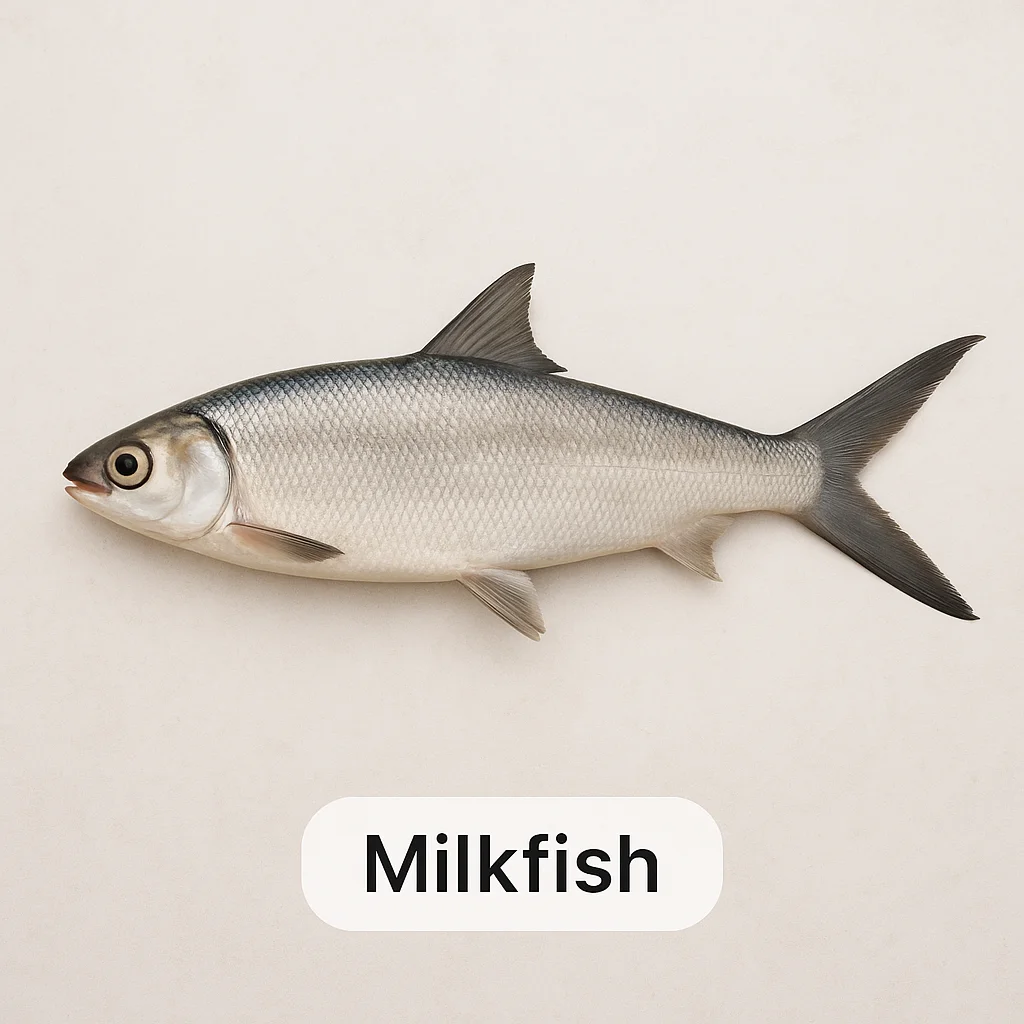
The reason many people enjoy milkfish is its pleasant taste, nutritional benefits, and availability as a farmed species, which makes it more sustainable and accessible compared to some wild-caught fish. Milkfish is generally low in mercury, making it a safer choice for regular consumption. When prepared correctly, it can be a delectable part of a healthy diet. Understanding its taste, texture, and ideal preparation methods can help make the most of this delightful fish.
🐠 Taste & Texture
The taste of milkfish is often described as mild and slightly sweet, with a hint of richness due to its oily nature. Despite being a lean fish overall, it has a medium fat content, resulting in a pleasant mouthfeel. The texture is firm yet slightly flaky when cooked, making it versatile for various culinary techniques. When fresh, milkfish should not have a strong odor but rather a clean, oceanic scent.
- Mild flavor with slight sweetness
- Medium fat content providing richness
- Firm, slightly flaky texture
- Fresh and oceanic scent when properly handled
🌊 Origin & Habitat
Milkfish are typically found in coastal and offshore marine waters throughout the Indian and Pacific Oceans. They are known for thriving in both wild and aquaculture settings. As a hardy species, milkfish can adapt to various environments, including brackish waters typically found in estuaries and lagoons. The farming of milkfish is prevalent in countries like the Philippines, Indonesia, and Taiwan, making it widely available and often more sustainable than purely wild-caught options.
Milkfish are commonly harvested in tropical and subtropical regions, which ensures a steady supply for global markets. The difference between wild-caught and farmed milkfish may affect taste and texture slightly, as farmed milkfish often have consistent fat content due to controlled feeding practices.
📅 Best Season
The seasonality of milkfish can vary significantly depending on the region and whether it's farmed or wild-caught. Generally, milkfish is available year-round due to extensive aquaculture practices, which help maintain a continuous supply. However, for those looking for wild-caught milkfish, it is essential to check local availability, as seasonal variations might affect price and fat content, influencing taste and texture.
Peak seasons are when milkfish may have the best flavor due to optimal fat levels, resulting in a richer taste experience.
🔪 Preparation
Preparing milkfish involves a few basic steps to ensure the fish is clean and ready for cooking. Common preparation steps include scaling, gutting, and removing pin bones, which can be a bit tricky due to their abundance in this species. Ensure all tools are clean and knives are sharp to make the process easier and safer.
- Scale the fish using a fish scaler or knife
- Make a clean cut along the belly and remove the innards
- Rinse thoroughly and pat dry with a paper towel
- Remove pin bones with tweezers or pliers
- Consider soaking in milk briefly to neutralize odors
To help manage odors, consider briefly soaking the fish in milk or a mild saltwater solution before cooking. This can help to soften any fishy smells and improve taste.
❄️ Storage Tips
Proper storage of milkfish ensures its freshness and quality are maintained for as long as possible. When storing in the fridge, keep milkfish in its coldest section and consume within 1-2 days to enjoy it at its best. Place the fish on ice if intended for longer short-term storage to preserve its freshness.
- Wrap tightly in airtight packaging before refrigerating
- Use within two days for peak freshness
- Freeze promptly if not used within this timeframe
- Remove as much air as possible before freezing
- Tightly wrap to prevent freezer burn
If freezing, portion the fish first, wrap it tightly, and remove as much air from the packaging as possible. Thaw safely in the refrigerator overnight before cooking to maintain a desirable texture.
🍽️ Popular Dishes
Milkfish is adaptable to numerous cooking methods, highlighting different textures and flavors with each technique. Here are several popular ways to enjoy this fish across various cuisines:
- Grilled Milkfish: Enhances the smoky flavors; best cooked over high heat to keep the skin crispy.
- Fried Daing na Bangus: Marinated in vinegar and spices, then deep-fried to a golden brown.
- Sinuglaw: A Filipino ceviche-style dish mixed with grilled pork belly, cautious raw fish preparation is essential.
- Baked Milkfish: Offers a juicy and tender result when cooked at moderate temperatures.
- Steamed Milkfish: Keeps the fish moist and tender, often served with soy sauce and ginger.
- Milkfish Soup: Popular in Asian cuisines, using fish bones for rich broth bases.
If preparing raw dishes, ensure sashimi-grade quality by sourcing from reputable suppliers to minimize the risk of parasites.
🥗 Nutritional Benefits
Milkfish is a healthy dietary choice, offering various nutritional benefits. Its relatively low mercury content makes it a safer option for frequent consumption, providing essential nutrients that contribute to an overall balanced diet. Although rich in beneficial oils, it maintains a moderate calorie count.
- High in protein for muscle maintenance
- Rich in omega-3 fatty acids, supporting heart health
- Contains vitamins like D and B12 for energy and bone health
- Good source of potassium, promoting proper fluid balance
⚠️ Who Should Eat & Caution
While milkfish is generally safe for many people, some precautions should be taken. Always ensure the fish is cooked thoroughly to reduce the risk of foodborne illnesses. As with all seafood, there's a potential risk of allergies, so individuals with fish allergies should avoid milkfish. Cross-contact in kitchens where shellfish is prepared may also pose a risk.
Pregnant individuals and young children should consume milkfish moderately, as with all fish, to avoid cumulative mercury exposure. When opting for raw preparations, it's crucial to consider the use of commercially frozen fish to mitigate parasite concerns. Safe culinary practices and ensuring hands, surfaces, and utensils are clean will help prevent cross-contamination.
📌 Summary
Milkfish offers a mild, slightly sweet taste with firm, flaky texture qualities that make it a versatile seafood choice. Its moderate fat content adds to its flavor while offering some of the nutritional benefits associated with fish, like omega-3 fatty acids.
Suitable for a variety of cooking methods, milkfish is easily tailored to different cuisines around the world. Its availability as a farmed fish makes it not only accessible but also adds an element of sustainability to meal planning. Proper storage and preparation practices can help you enjoy this fish safely and at its most delicious.
- Mild, slightly sweet flavor with moderate fat content
- Full-bodied fish best enjoyed fresh and properly stored
- Flexible in preparation, suitable for many dish types
- Safe handling and preparation are crucial for optimal enjoyment