🐟 Drum Fish
The drum fish, known for its distinctive drumming sound produced by specialized muscles rubbing against its swim bladder, is a fascinating and popular food fish found in various regions across the globe. Prized for its delicate flavor and versatile culinary applications, drum fish is enjoyed by seafood lovers in a variety of dishes worldwide. Commonly identified by names like black drum, red drum, or croaker, this fish is known for its firm, white flesh that lends itself beautifully to various cooking methods.
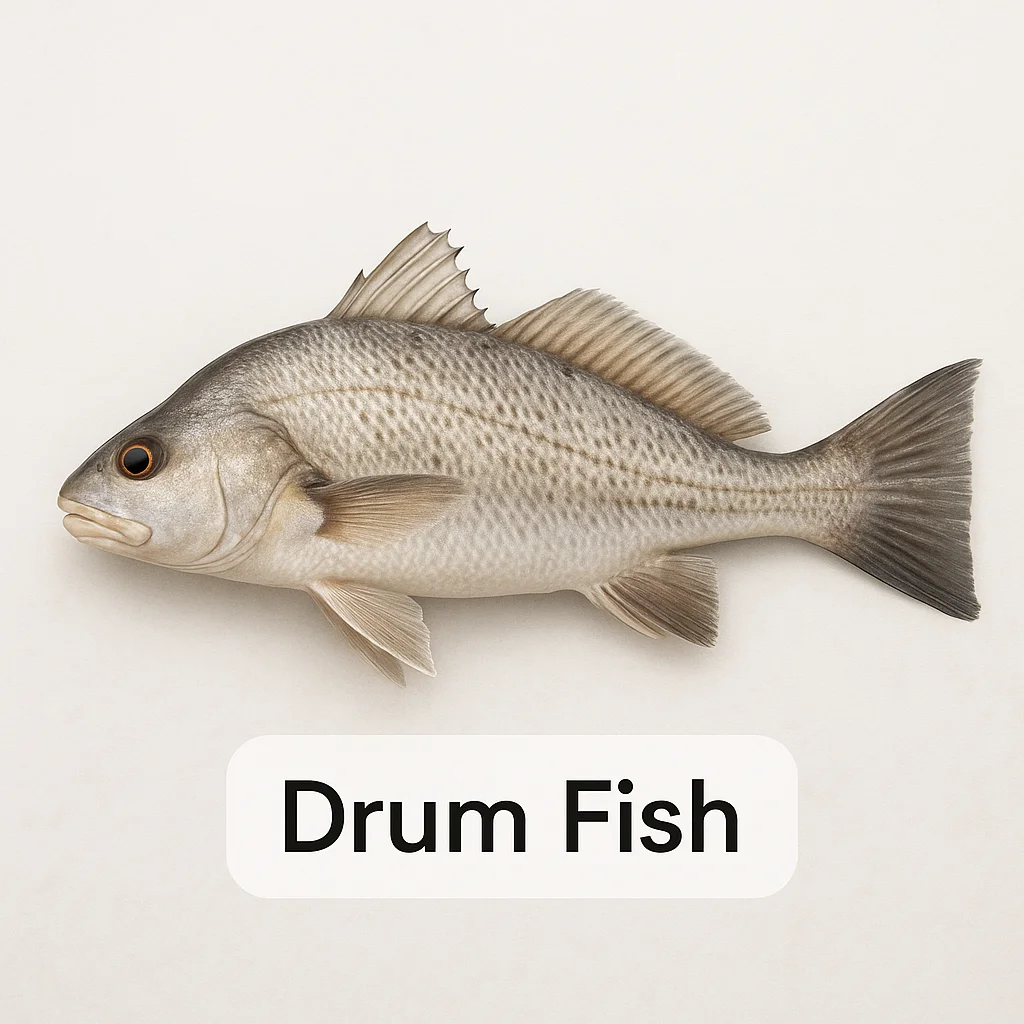
People choose drum fish not only for its taste but also for its nutritional benefits. As a lean fish, drum fish is low in fat yet high in protein, making it a healthy choice for those looking to enjoy seafood without the higher fat content of oily fish. Its mild taste and tender texture make it suitable for a variety of recipes and pairings, offering a delectable experience for both novice and experienced seafood enthusiasts.
🐠 Taste & Texture
Drum fish offers a mild, slightly sweet flavor that is subtle and pleasant, making it an excellent choice for those who prefer less intense seafood tastes. Its firm and flaky texture is similar to that of cod or haddock, providing a satisfying mouthfeel that stands up well to various cooking techniques. The flesh of drum fish is known to remain moist and delicate when cooked properly, enhancing its appeal.
- Mild, slightly sweet taste
- Firm and flaky texture
- Moist and tender when cooked
- Subtle oceanic aroma when fresh
🌊 Origin & Habitat
Drum fish are found in both saltwater and freshwater environments, occupying coastal waters, brackish estuaries, and river systems. The most common species, such as the black drum and red drum, are prevalent along the Atlantic and Gulf coasts of the United States. These fish thrive in warm waters but can also be found in cooler regions, depending on the season and species.
While wild-caught drum fish are more frequently enjoyed, some regions engage in aquaculture practices to farm drum fish, offering a consistent supply that varies little in taste or texture from their wild counterparts. The farming of drum fish allows for year-round availability, ensuring this fish can be enjoyed regardless of the time of year.
📅 Best Season
The best season for drum fish often depends on the specific region and species. In general, seasonality varies by region, with peak months typically occurring in late spring to early fall when water temperatures are warmer. During these times, drum fish are more plentiful, and their flesh is at its prime in terms of texture and flavor. However, drum fish can often be found year-round, especially from farmed sources, allowing for more consistent market availability.
🔪 Preparation
Preparing drum fish involves several straightforward steps to ensure a clean and delicious final product. Start by scaling the fish, followed by gutting and removing the internal organs. Pay particular attention to the pin bones, which can be located and carefully removed with pliers. Using a sharp knife, trim away any remaining fins and inspect the fish for any other bones.
- Scale with a fish scaler or the back of a knife
- Gut and clean out internal organs
- Remove pin bones with pliers
- Trim fins as needed
- Rinse quickly to remove loose scales and unwanted odors
To mitigate any fishy odor, you can soak the fillets in milk or a mild saltwater solution before cooking. This step is optional but can enhance the overall freshness and dining experience.
❄️ Storage Tips
Proper storage of drum fish is essential for maintaining its freshness and quality. In the refrigerator, keep the fish in a shallow dish, covered with ice or wrapped tightly to prevent exposure to air and moisture. Ideally, the fish should be consumed within two days for optimal freshness.
For freezing, portion the fish into meal-sized pieces, wrap them in airtight packaging, and remove as much air as possible. This helps prevent freezer burn. When ready to use, thaw the fish slowly in the refrigerator overnight to retain its texture and flavor.
- Do refrigerate fish for up to two days
- Do wrap tightly to limit air exposure
- Don't leave fish at room temperature for extended periods
- Don't refreeze fish after thawing once
🍽️ Popular Dishes
Drum fish lends itself to an array of culinary preparations due to its mild flavor and firm texture. Here are a few popular dishes to consider:
- Grilled drum with a citrus marinade, enhancing its natural sweetness
- Pan-seared drum, cooked on high heat to develop a golden, crispy crust
- Drum fish stew with tomatoes and herbs, highlighting a rich and comforting texture
- Crispy fried drum, breaded and deep-fried for a crunchy exterior
- Steamed drum with ginger and scallions, preserving moisture and delicate flavor
- Baked drum with a Parmesan crust, providing a savory and cheesy layer
- Ceviche-style drum, marinated in citrus juices (ensure raw sourcing safety)
🥗 Nutritional Benefits
Drum fish is a nutritious choice, providing a good source of protein and several important vitamins and minerals. As a lean fish, it is lower in calories compared to oilier seafood, making it suitable for various dietary preferences.
- High in protein for muscle building and repair
- Contains B vitamins for energy support
- Provides selenium, which is important for metabolism
- Low in fat, suitable for heart-health conscious diets
⚠️ Who Should Eat & Caution
While drum fish can be a nutritious addition to most diets, individuals with fish allergies should avoid it to prevent adverse reactions. Always be mindful of cross-contact in kitchens where both fish and shellfish are prepared.
As with many fish, drum may contain trace amounts of mercury. It's advisable for pregnant women and young children to moderate their intake and consult dietary guidelines for safe consumption recommendations. When consuming raw or undercooked drum in dishes like ceviche, ensure that the fish is sourced from reputable suppliers known for sashimi-grade quality to minimize parasite risk.
📌 Summary
Drum fish offers a delightful experience with its mild flavor and firm, flaky texture. As a versatile ingredient, it can be prepared in numerous ways, from grilling and baking to frying and steaming. Its nutritional benefits add to its appeal, providing a high-protein, low-fat option for seafood lovers. Remember to store it properly and handle it with care to enjoy its finest quality.
- Quick taste profile: mild, slightly sweet, firm and flaky
- Found in both salt and freshwater habitats
- Peak season varies; farmed options offer year-round availability
- Prepare with care, considering potential allergens and mercury content
- Focus on safe-handling practices for the best culinary results