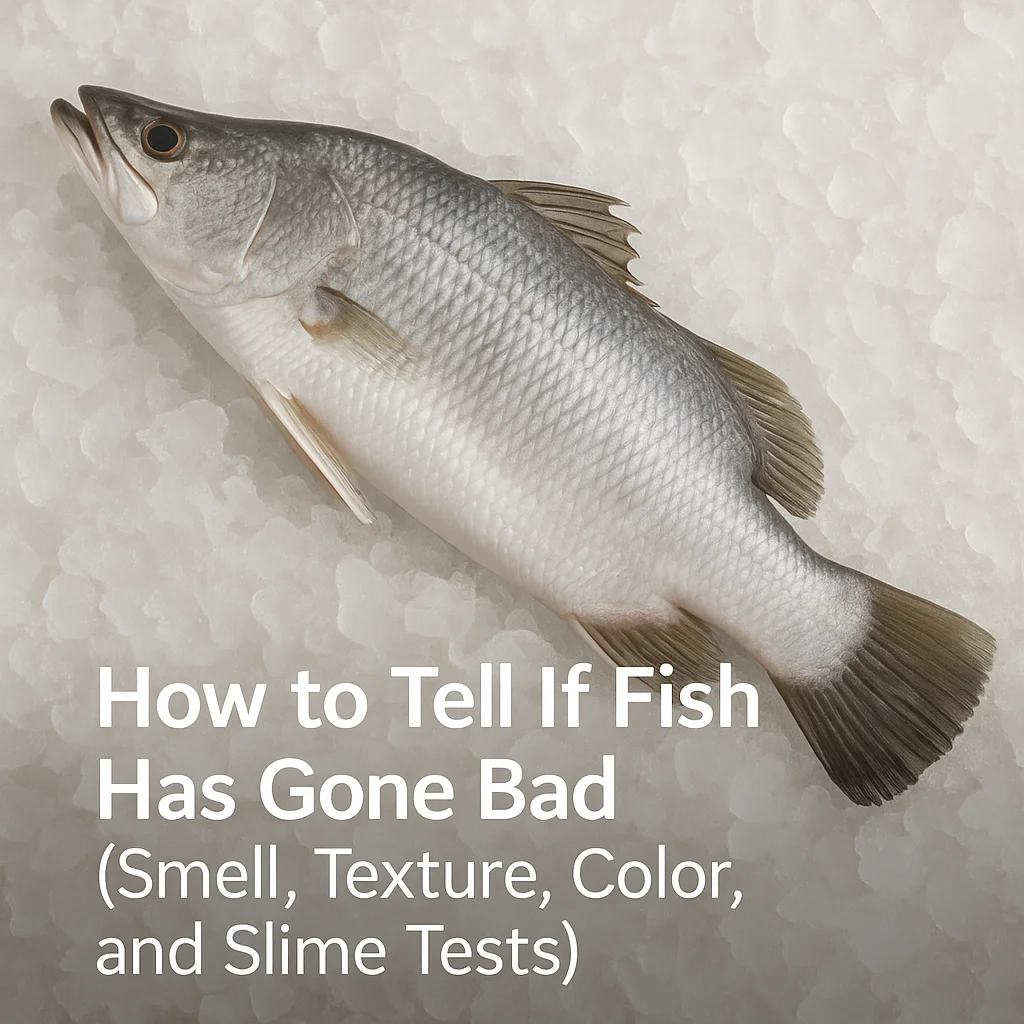
🐟 How to Tell If Fish Has Gone Bad (Smell, Texture, Color, and Slime Tests)
🧭 Quick Overview
In this guide, you will learn essential methods to identify if fish has gone bad, focusing on the smell, texture, color, and slime tests. This information is crucial for anyone handling fish, whether you are a home cook or a professional chef, to ensure safety and quality in your seafood dishes.
- Best for: Home cooks, culinary students, professional chefs
- Common problems solved: Detecting spoiled fish before cooking or consumption
- What you need: Your senses: smell, touch, and sight
🧠 Why This Matters
Being able to determine if fish has gone bad is not only vital for the taste of your meal but also for your health. Fish can spoil quickly, and consuming bad fish can lead to foodborne illnesses. Additionally, spoiled fish will not provide the same taste and texture quality that enhances a seafood dish.
✅ Step-by-Step Method
Here is a step-by-step process to identify the freshness of fish using several tests.
- Step 1: Use the smell test. Fresh fish should have a mild scent, often described as ocean-like. If it smells overly fishy, sour, or ammonia-like, it is likely bad.
- Step 2: Conduct a texture test. Fresh fish should feel firm to the touch. Soft, mushy, or slimy flesh indicates spoilage.
- Step 3: Examine the color. Fresh fish typically has vibrant, clear eyes and bright red gills. Dull, grayish eyes and faded gills are signs of aging.
- Step 4: Check for slime. A slight moisture or natural mucus is normal, but a thick, sticky slime or milky substance on the surface suggests spoilage.
- Step 5: Observe the packaging if purchasing pre-packaged fish. Look for signs of damage, tears, or excessive liquid in the packaging, which could indicate the fish is no longer fresh.
🧾 Checklist
Use this checklist to ensure the fish you are about to prepare is fresh and safe to eat.
- Mild ocean-like smell; avoid sour or ammonia-like smells
- Firm texture, not mushy or slimy
- Bright eyes and red gills, not dull or gray
- No sticky or milky slime on the surface
- Undamaged packaging without excessive liquid
⚠️ Common Mistakes & Fixes
- Mistake: Not trusting your sense of smell. Fix: Always check for unnatural odors before using fish.
- Mistake: Ignoring slight changes in color. Fix: Examine both the eyes and gills for vibrant color as an indicator of freshness.
- Mistake: Overlooking packaging condition. Fix: Ensure packaging is intact and free from leaks or excessive moisture.
🌍 Variations by Fish Type
The signs of freshness can vary by the type of fish due to differences in fat content, skin thickness, and the way the fish is typically cut or sold.
- Oily fish: Such as salmon or mackerel, should have firmer flesh and a shiny skin.
- Lean white fish: Such as cod or haddock, should not feel dry or have a chalky appearance.
- Thick steaks: For fish like tuna, look for even color throughout the steak.
- Thin fillets: For fish like sole, ensure there is no separation in the fillet layers that indicate aging.
🧊 Storage & Leftovers
To keep fish fresh, store it in the coldest part of your refrigerator, ideally at a temperature close to freezing. Fish typically lasts 1-2 days in the fridge. For longer storage, freeze the fish, ensuring it is tightly wrapped to avoid freezer burn. Thaw frozen fish slowly in the refrigerator before cooking, and consume it within 24 hours of thawing.
🛒 Buying Tips (if relevant)
When shopping for fish, look for vendors with a high turnover rate to ensure you purchase the freshest catch. Fish counters should smell clean and like the ocean, without any strong fishy odors. For pre-packaged fish, check the sell-by date and inspect the packaging for any signs of damage or excessive liquid.
🧼 Safety Notes
Prevent cross-contamination by keeping fish separate from other foods in your shopping cart and refrigerator. Cook fish to an internal temperature of 145°F (63°C) to ensure it is safe to eat. When in doubt about the freshness of your fish, it is safer to avoid consumption.
❓ FAQs
- Question: Can fish still be good if it smells slightly off? Answer: If the smell is off-putting or overly fishy, it is best to err on the side of caution and not consume it.
- Question: How long can fish be safely kept in the fridge? Answer: Typically, fish can be safely stored in the fridge for 1-2 days.
- Question: Can I eat fish that has started to develop slime? Answer: A sticky or milky slime indicates spoilage and should not be consumed.
📌 Summary
- Check the smell, texture, color, and slime to determine if fish has gone bad.
- Fresh fish provides better taste and is safer to consume.
- When in doubt about fish freshness, it's safer not to consume it.