🐟 Freezing Fish the Right Way: Preventing Freezer Burn and Off-Flavors
🧭 Quick Overview
This guide provides insights and tips for freezing fish effectively, maintaining its quality, and avoiding freezer burn and off-flavors. Ideal for home cooks and seafood enthusiasts seeking to extend the freshness and flavor of their fish.
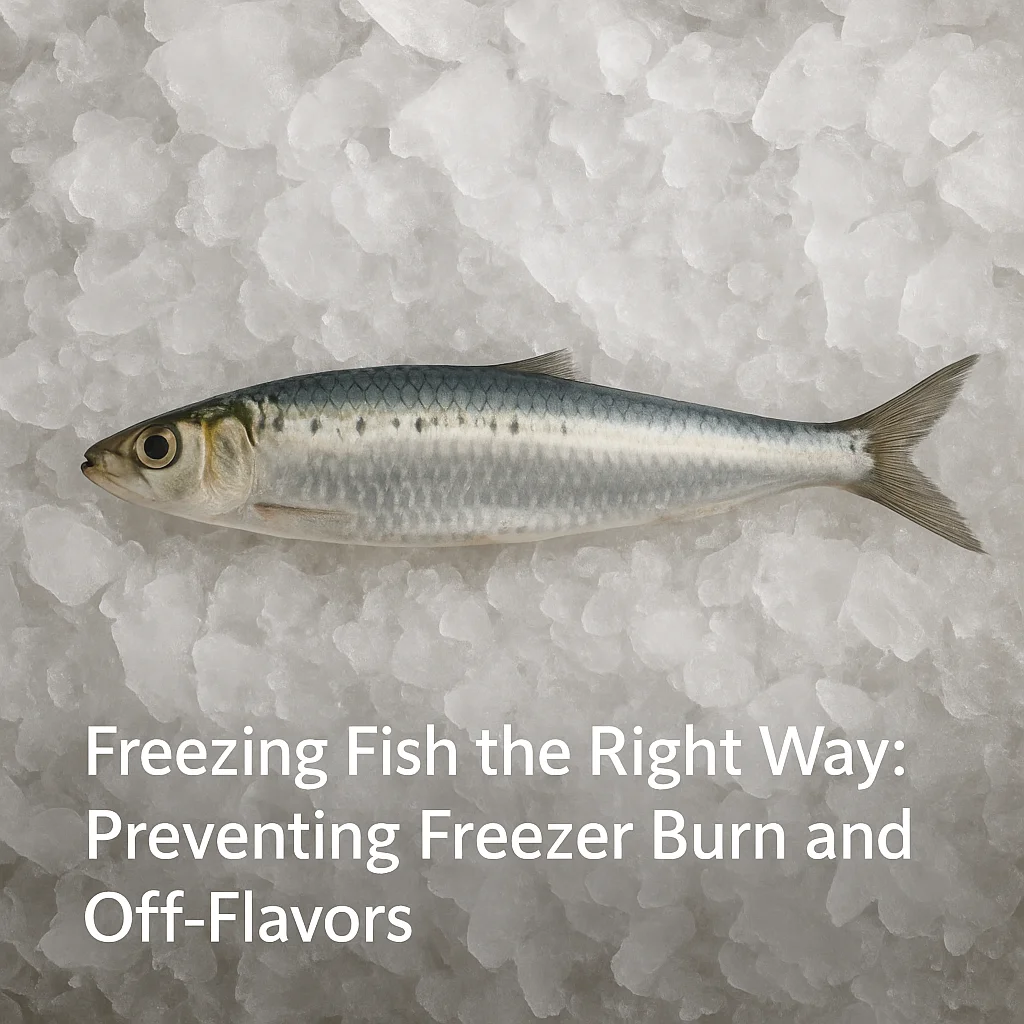
- Best for: Home cooks, seafood lovers, meal preppers
- Common problems solved: Freezer burn, off-flavors, texture loss
- What you need: Fresh fish, airtight storage solutions, freezer
🧠 Why This Matters
Freezing fish correctly not only preserves its flavor and texture but also ensures safety by inhibiting bacterial growth. Ignoring proper techniques can lead to significant quality loss, ultimately wasting your culinary investment.
✅ Step-by-Step Method
Follow these steps to ensure your fish remains as fresh as possible when frozen.
- Step 1: Start with the freshest fish you can find. Look for clear eyes, bright scales, and a clean smell.
- Step 2: Clean the fish thoroughly, removing scales, guts, and any bloodlines.
- Step 3: Pat the fish dry with paper towels to remove excess moisture.
- Step 4: Wrap the fish tightly in plastic wrap, ensuring no air pockets surround the fish.
- Step 5: Place the wrapped fish in an airtight container or a heavy-duty freezer bag and store it in the coldest part of your freezer.
🧾 Checklist
Ensure each item is checked for optimal freezing results.
- Use only fresh or freshly thawed fish.
- Wrap fish tightly to exclude air.
- Label packages with date and type of fish.
⚠️ Common Mistakes & Fixes
- Mistake: Freezing fish with air pockets. Fix: Wrap tightly to avoid exposure to air.
- Mistake: Freezing fish without cleaning. Fix: Always clean fish thoroughly before freezing.
- Mistake: Storing fish in thin bags. Fix: Use heavy-duty freezer bags or containers to prevent punctures.
🌍 Variations by Fish Type
Freezing techniques can vary based on the type of fish you are storing.
- Oily fish: Wrap in parchment paper first, followed by plastic to prevent oils from becoming rancid.
- Lean white fish: More resilient to freezing, ensure it's dry before wrapping.
- Thick steaks: Slice into smaller portions before freezing for more even defrosting.
- Thin fillets: Layer between sheets of wax paper to prevent sticking.
🧊 Storage & Leftovers
Store fish flat in the freezer to prevent shape distortion. Fish is generally best consumed within 2 to 3 months. Thaw slowly in the refrigerator overnight for best texture and flavor.
🛒 Buying Tips (if relevant)
Choose fish that's firm and doesn't smell "fishy." When buying pre-frozen, check for ice crystals and freezer burn, which indicate poor storage conditions.
🧼 Safety Notes
Avoid cross-contamination by cleaning surfaces, knife, and hands frequently. Store fish at temperatures below -18°C (-0.4°F) in the freezer to maintain safety.
❓ FAQs
- Question: Can I refreeze fish once thawed? Answer: Generally not recommended as texture and quality can degrade.
- Question: Why does frozen fish sometimes smell off? Answer: May be due to freezer burn or fish not being fresh when frozen.
- Question: What's the best way to thaw fish? Answer: Thaw in the refrigerator overnight for safe and even results.
📌 Summary
- Use the freshest fish possible for freezing.
- Wrap fish tightly to avoid freezer burn.
- Use suitable storage methods specific to fish type.