🐟 Can You Refreeze Fish? When It’s Safe and When It’s Not
🧭 Quick Overview
This article provides a comprehensive guide on the considerations and best practices for refreezing fish safely. It is designed for those who work with fish regularly, whether home cooks or culinary professionals, and aims to clear up common uncertainties regarding fish storage and refreezing.
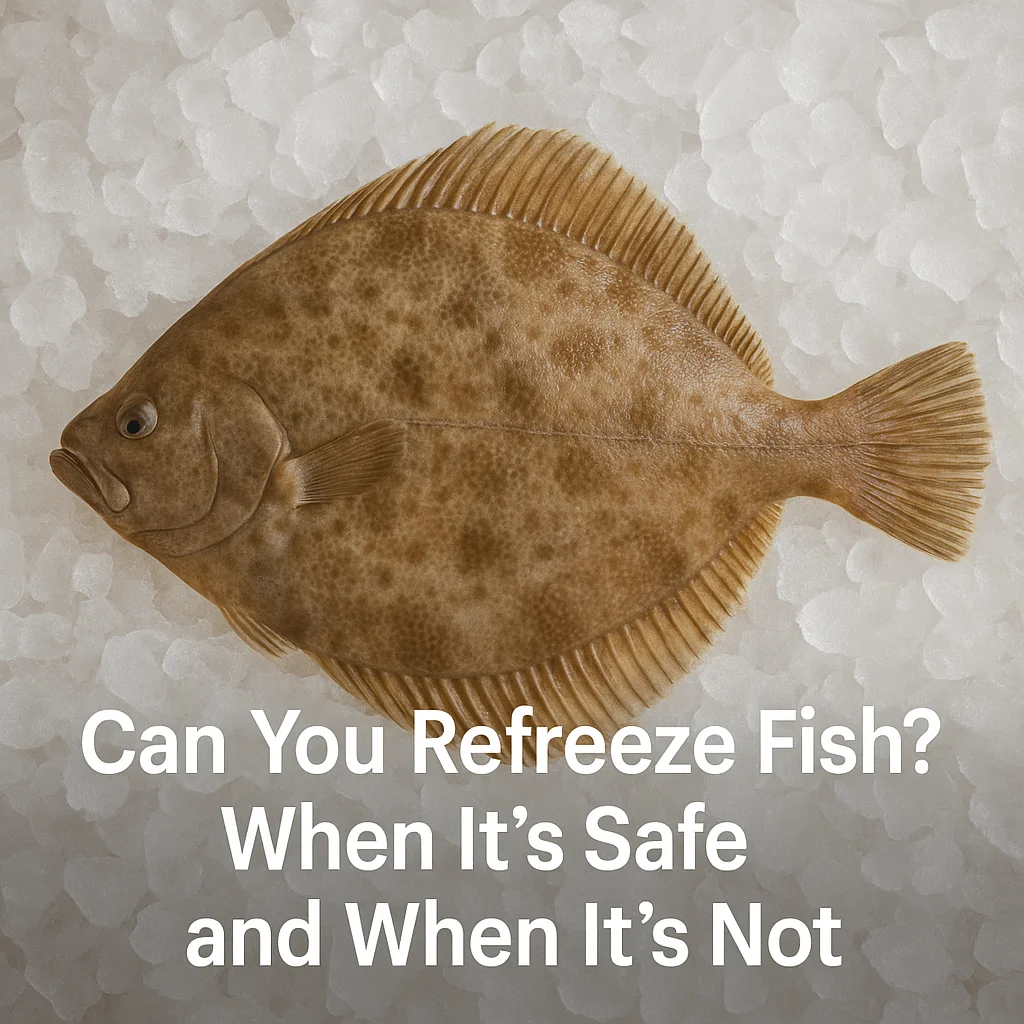
- Best for: Home cooks, culinary students, professional chefs
- Common problems solved: Uncertainty about food safety, texture loss, taste issues
- What you need: Freezer-safe containers, knowledge of fish types, a reliable source of fresh fish
🧠 Why This Matters
Fish is a delicate protein that offers outstanding nutritional benefits and taste but requires proper handling to maintain its quality. Improperly refreezing fish can lead to safety hazards, loss of texture, and diminished flavor. Understanding when and how you can refreeze fish ensures you maximize both your product and safety.
✅ Step-by-Step Method
These steps will guide you through the process of considering whether and how to refreeze fish safely.
- Step 1: Assess the freshness and cleanliness of the fish before deciding to refreeze it.
- Step 2: Make sure the fish has been thawed in the refrigerator rather than at room temperature.
- Step 3: Examine the fish for any signs of spoilage such as an off-smell, discoloration, or sliminess.
- Step 4: Use appropriate containers that are airtight and suitable for freezing. Vacuum sealing is an ideal option.
- Step 5: Clearly label the packaging with the date of refreezing for tracking purposes.
🧾 Checklist
Quickly verify these points before deciding to refreeze your fish:
- The fish was thawed in the refrigerator.
- No off-odors or noticeable signs of spoilage are present.
- You have suitable packaging ready for the freezer.
- Refreezing will happen promptly to minimize quality loss.
⚠️ Common Mistakes & Fixes
- Mistake: Refreezing fish that has been thawed on the counter. Fix: Always thaw fish in the refrigerator.
- Mistake: Using low-quality or non-airtight packaging. Fix: Invest in vacuum sealers or quality freezer bags to prevent freezer burn.
- Mistake: Refreezing fish too often. Fix: Limit refreezing instances to preserve texture and flavor.
🌍 Variations by Fish Type
The type of fish affects whether and how you should refreeze it due to differences in fat content and structure.
- Oily fish: These, like salmon and mackerel, tend to degrade more quickly and should be refrozen with more caution.
- Lean white fish: These, like cod or sole, are generally more resilient to refreezing but can still suffer from texture changes.
- Thick steaks: More forgiving when refreezing than thin fillets due to their bulk and moisture content.
- Thin fillets: Can become mushy upon refreezing, so it's best to limit their exposure to freezing and thawing cycles.
🧊 Storage & Leftovers
Ensure that fish is stored at a consistent temperature of 0°F (-18°C) or below to maximize its shelf life. Leftovers should be cooled promptly and placed in airtight containers before being frozen. Consume within 2-3 months for best quality.
🛒 Buying Tips (if relevant)
When purchasing fish, look for clear eyes and bright, firm flesh. Fillets should be moist but not slimy, and check for any off-odors. For frozen fish, ensure packages are intact and free of ice crystals, which can indicate partial thawing and refreezing.
🧼 Safety Notes
Always practice diligent hand-washing and surface sanitation before and after handling fish. Use separate cutting boards to prevent cross-contamination with other foods. When in doubt, avoid refreezing if food safety cannot be guaranteed.
❓ FAQs
- Question: Is it safe to refreeze cooked fish? Answer: Yes, if the fish was thawed safely and not left out for extended periods.
- Question: How can I tell if fish has gone bad? Answer: Look for discoloration, off-smells, and unusual textures.
- Question: Can all types of fish be refrozen successfully? Answer: While possible, not all fish will maintain quality. Lean fish fare better than oily fish.
📌 Summary
- Refreezing should only occur if fish has been safely thawed in the fridge.
- Use high-quality, airtight packaging to maintain fish texture.
- Understand the specific needs of different fish types for optimal refreezing results.