🐟 Spiny Lobster
The Spiny Lobster, often referred to as rock lobsters or crayfish in some regions, is a cherished seafood delight known for its tender and mildly sweet meat. Unlike their closely related relatives, the clawed lobsters, Spiny Lobsters lack large front claws but make up for it with their long, spiny antennal scales and vibrant colors. Enjoyed in various culinary traditions, Spiny Lobsters are a versatile ingredient that can be grilled, steamed, or prepared in a host of other delectable ways.
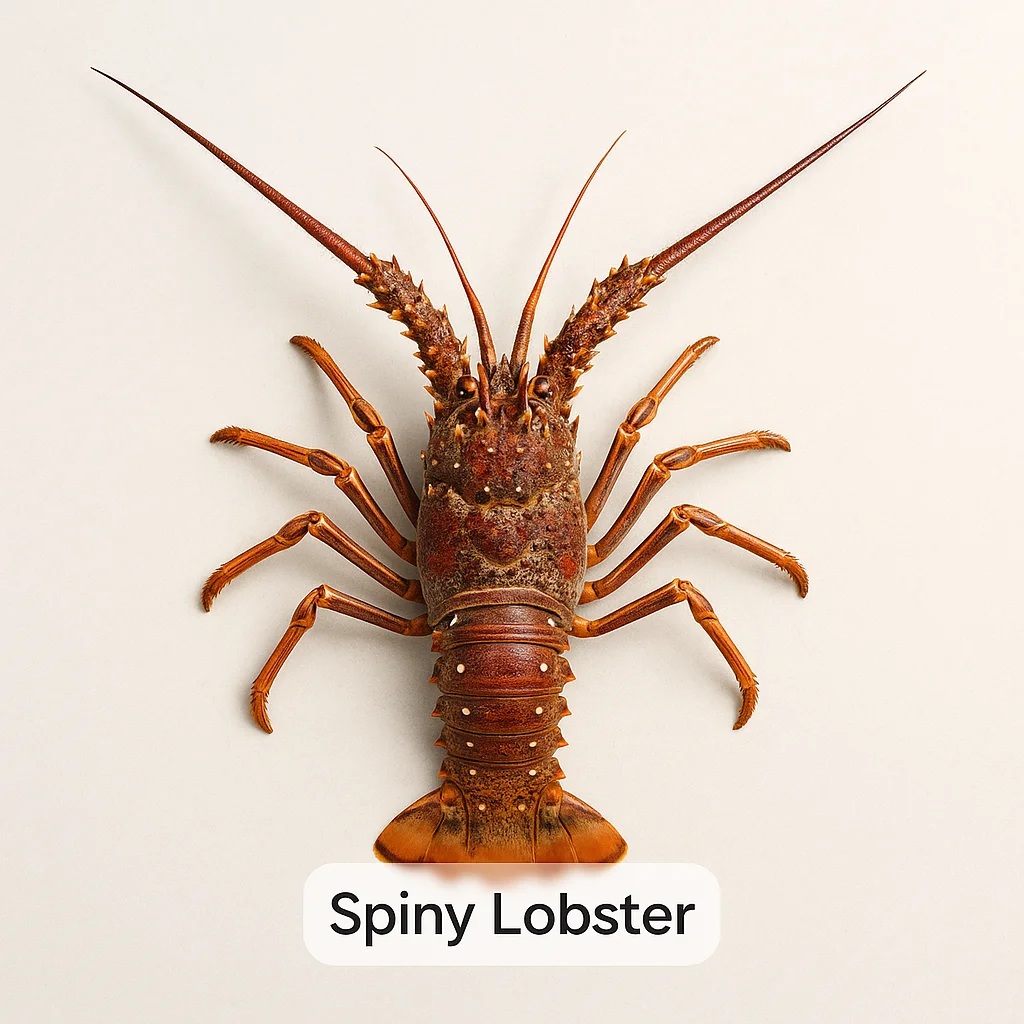
People eat Spiny Lobster due to its delicate yet distinct flavor, which pairs well with a variety of herbs and seasonings, making it a sought-after choice for seafood enthusiasts worldwide. The lobster's firm yet succulent texture is a feature that culinary aficionados appreciate, offering a satisfying bite in every morsel.
🐠 Taste & Texture
The taste of Spiny Lobster is often described as subtly sweet with a hint of saltiness, delivering a flavor that isn't overwhelmingly intense. It's less briny compared to other shellfish, offering a clean taste that highlights the natural sweetness of the meat. The texture is firm yet tender, providing a pleasant mouthfeel that isn't too stringy or chewy. When fresh, the lobster has a mild ocean scent that's inviting rather than overpowering.
- Flavor: Subtly sweet with a hint of oceanic saltiness
- Texture: Firm and tender
- Smell: Mild and oceanic
- Mouthfeel: Satisfying and not chewy
🌊 Origin & Habitat
Spiny Lobsters are typically found in warm coastal waters, favoring reefs and rocky terrain where they can hide within crevices. They are harvested mainly from the Mediterranean, Caribbean, and Indo-Pacific regions. Unlike some seafood varieties, the Spiny Lobster is wild-caught, as farming is not widely practised for this species. The wild-caught nature often means that the lobsters are fresher and may have a more robust flavor due to the diverse diets they encounter in natural settings.
📅 Best Season
The best season for Spiny Lobster often depends on regional fishing regulations and environmental factors. Generally, the peak season is when these lobsters have had a chance to grow, resulting in more significant fat reserves that enhance flavor and texture. In many coastal regions, this season tends to be in late summer and early fall, but it can vary by location. Seasonality is an essential aspect to consider for availability, quality, and pricing, as out-of-season lobsters may not be as readily available or of the same quality.
🔪 Preparation
Preparing Spiny Lobster requires some initial cleaning and handling. When you purchase Spiny Lobster, ensure it is whole and the entire specimen is visible, which helps in maintaining freshness and quality. Begin by rinsing the lobster under cold water to remove any grit. You'll need a sharp knife or kitchen shears to split the lobster shell for easier extraction of the meat. It's crucial to be cautious with their spiny exteriors to prevent injury.
- Rinse under cold water
- Use a sharp knife for shell splitting
- Avoid cross-contamination: use separate boards for raw seafood
- Keep your workspace clean
- If desired, control odors with a brief soak in salted water or milk
❄️ Storage Tips
Proper storage of Spiny Lobster ensures maximum freshness. If storing in the fridge, keep them in the coldest part and consume within 1-2 days. For longer storage, consider freezing. To freeze, portion the lobster and remove as much air as possible from the storage bag to prevent freezer burn. Thawing should be done slowly in the refrigerator to maintain texture integrity.
- Do: Store in the coldest part of the fridge
- Do: Use airtight bags for freezing and remove excess air
- Don't: Leave at room temperature for extended periods
- Do: Thaw slowly in the fridge
🍽️ Popular Dishes
Spiny Lobster lends itself to several delightful dishes across various cuisines. Grilled Spiny Lobster, with high heat, highlights its firm texture while enhancing its natural sweetness. For a gentler cooking method, steamed Spiny Lobster helps keep the meat juicy and tender. In a Spanish-style paella, the lobster adds depth and richness to the dish.
- Grilled with garlic butter: Brings out natural sweetness
- Steamed with herbs: Maintains juiciness and delicate flavors
- Paella: Adds a rich, seafood essence
- Spiny Lobster thermidor: Classic creamy baked dish
- Caribbean curry: Infused with tropical spices
- Asian stir-fry: Quick cooking that retains texture
For those interested in raw preparations like ceviche or sushi, always ensure the lobster is of high quality and sashimi-grade to reduce risks associated with raw seafood consumption.
🥗 Nutritional Benefits
Spiny Lobster is a nutritious seafood, offering a good source of lean protein, essential for maintaining muscle health. Rich in vitamins and minerals like zinc and selenium, it also provides omega-3 fatty acids, known to support heart health. Its low-fat content makes it a lean option compared to other protein sources.
- High in protein
- Good source of omega-3 fatty acids
- Rich in vitamins and minerals, such as zinc and selenium
- Low in fat
⚠️ Who Should Eat & Caution
Like all shellfish, Spiny Lobster may trigger allergic reactions in susceptible individuals. Care should be taken to avoid cross-contact with other allergens in kitchens. While most seafood lovers can enjoy its health benefits, others like pregnant individuals and young children should be mindful of mercury levels, though lobsters generally have lower concentrations compared to larger fish. Consuming raw or undercooked shellfish poses health risks, so ensure it is thoroughly cooked.
📌 Summary
The Spiny Lobster, with its subtly sweet flavor and firm texture, is a versatile seafood option beloved in many culinary traditions. Proper care in handling and storage assists in maintaining its delectable qualities. While the lobster offers impressive nutritional benefits, responsible consumption includes being mindful of allergies and mercury considerations.
- Firm, sweet, and versatile seafood
- Best enjoyed during peak season for optimal taste
- Handles safely and store properly to maintain quality
- Preparation involves careful cleaning and handling