🐟 Mantis Shrimp
Mantis shrimp, also known as stomatopods, are fascinating marine crustaceans known for their vibrant colors and powerful claws. These creatures are prized in various cuisines for their unique taste and texture. While they might not be as widely recognized in Western seafood markets, mantis shrimp play a significant role in Asian culinary traditions. People enjoy them for their sweet, delicate flavor and the firm, lobster-like texture of their meat.
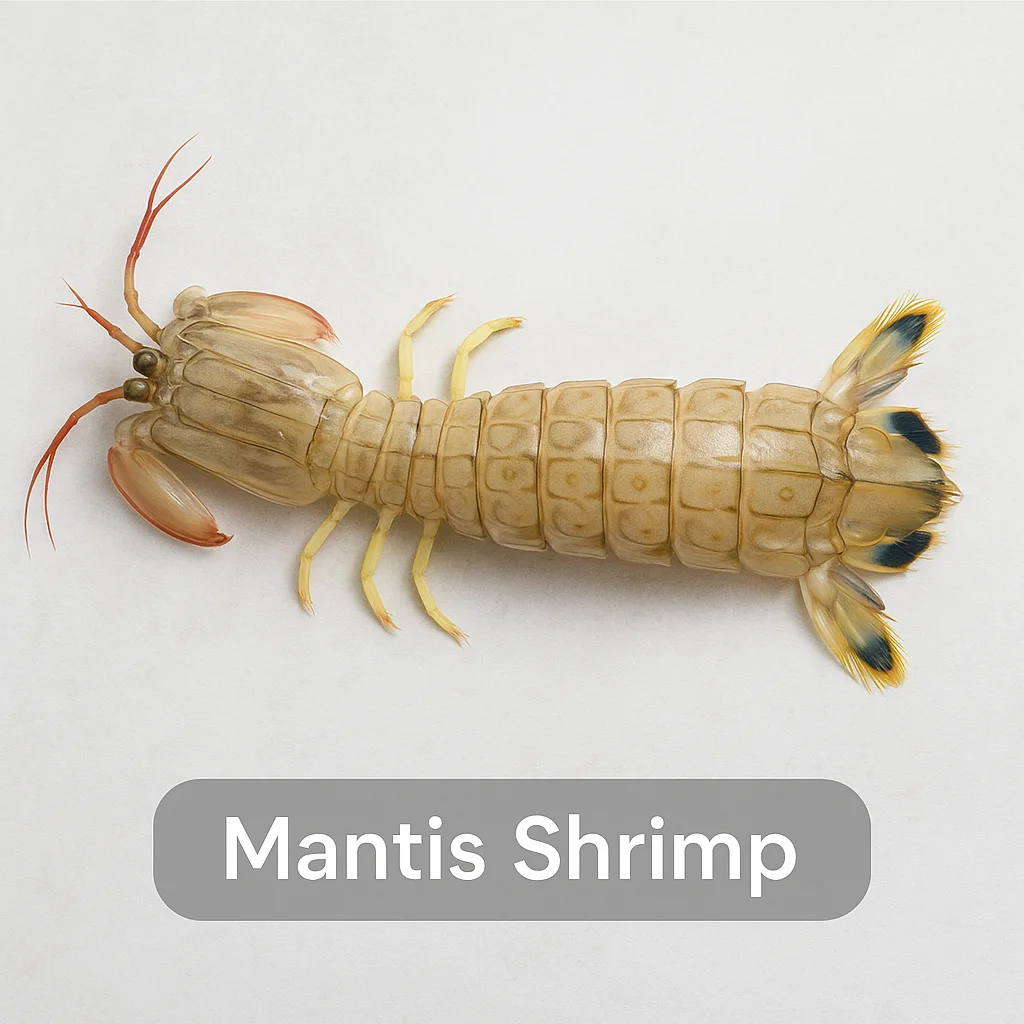
Mantis shrimp are particularly popular in regions where seafood is a staple, and they are often included in a variety of dishes ranging from simple stir-fries to more complex preparations like seafood stews. Because of their appealing taste and texture, mantis shrimp have steadily gained popularity among seafood enthusiasts worldwide.
🐠 Taste & Texture
The flavor of mantis shrimp is often described as sweet and delicate, with a slight brininess similar to lobster. Their texture is firm and slightly chewy, suitable for various cooking methods. The meat flakes into tender, succulent pieces, offering a delightful mouthfeel.
- Flavor intensity: Mild to medium
- Sweetness: Noticeable
- Fattiness: Lean
- Mouthfeel: Firm and slightly chewy
- Fresh smell: Oceanic, not fishy
🌊 Origin & Habitat
Mantis shrimp are found in warm coastal waters, often inhabiting the seabed where they can build complex burrows. These areas include coral reefs and rocky shores in tropical and subtropical regions. They are usually harvested from the wild, as farming mantis shrimp is not as prevalent due to the challenges in breeding them in captivity.
The most common harvesting areas include the coasts of countries like China, the Philippines, Vietnam, and certain parts of Australia and Africa. While local availability can vary, mantis shrimp are generally accessible in regions with a rich seafood culture.
📅 Best Season
The best season for mantis shrimp typically varies according to the local maritime climate where they are harvested. Their peak availability often coincides with warmer months when they are more active. Seasonal variations can affect their fat content and texture, resulting in price changes throughout the year. As such, it's advisable to consult local seafood markets for the freshest mantis shrimp during their regional peak seasonality.
🔪 Preparation
Preparing mantis shrimp involves careful handling to make the most of their delicate flesh. Begin by cleaning the shrimp under cold running water to remove loose debris. Because of their hard exoskeleton, you'll need a sturdy knife or kitchen scissors to cut through the shell.
- Remove the head by twisting it off.
- Use kitchen scissors to cut along either side of the shell underneath.
- Carefully peel back the shell to expose the meat.
- Rinse the meat under cold water to remove any remaining shell fragments.
- Check for any residual digestive tract and remove it carefully.
To minimize any fishy odor, a quick rinse in water or a mild milk soak can be effective. Be sure to rinse thoroughly afterward to remove any lingering dairy residue.
❄️ Storage Tips
To maintain the freshness of mantis shrimp, store them in the refrigerator for up to two days. Place them over a bed of crushed ice in a container that allows drainage to prevent them from sitting in water. For long-term storage, freezing is recommended. Be sure to wrap them tightly in airtight packaging to reduce air exposure and prevent freezer burn.
- Do: Store in airtight containers or vacuum-sealed bags
- Do: Label with the date before freezing
- Don't: Store in water or open containers
- Don't: Refreeze once thawed
🍽️ Popular Dishes
Mantis shrimp can be enjoyed in a variety of culinary applications, showcasing their versatility and appealing texture. Popular methods include grilling, which enhances their natural sweetness, and stir-frying, which allows for quick cooking while preserving their tenderness.
- Grilled: Over high heat to caramelize the natural sugars
- Steamed: Gently, to maintain moisture and sweetness
- Fried: In a light batter for a crisp exterior
- Curry: Slow-cooked to infuse with spices
- Seafood stew: Combined in a broth with herbs and spices
- Sashimi-style: With caution, only if sourced from sashimi-grade suppliers
It is important to ensure that any raw dishes like sashimi are prepared safely, following strict food safety guidelines and using reputable suppliers.
🥗 Nutritional Benefits
Mantis shrimp are a nutritious seafood choice, offering a variety of beneficial nutrients. They are an excellent source of protein, supporting muscle growth and repair. They also provide essential vitamins and minerals that contribute to overall health.
- Protein: High-quality source
- Vitamins: B12, E
- Minerals: Selenium, iron, zinc, calcium
- Omega-3 Fatty Acids: Present in lean amounts
⚠️ Who Should Eat & Caution
Mantis shrimp, like other shellfish, can cause allergic reactions in susceptible individuals. Care should be taken to prevent cross-contact with other foods in the kitchen to avoid cross-reactivity. As with many types of seafood, there are general considerations for mercury content, although crustaceans like mantis shrimp typically have lower levels compared to larger fish.
The risk of foodborne illnesses from undercooked or raw mantis shrimp underscores the importance of proper handling and cooking. To ensure safety, cook thoroughly until the meat turns opaque and flakes easily.
📌 Summary
Mantis shrimp provide a sweet, lobster-like flavor and firm texture that makes them a delectable choice for various culinary adventures. They thrive in tropical coastal waters, making them an exotic seafood selection with a variety of preparation and cooking options.
- Key Takeaways: Sweet, firm meat suitable for various methods
- Storage: Best fresh or properly frozen
- Culinary versatility: Suitable for grilling, stir-frying, steaming, and more