🐟 Lobster
Lobster is a sought-after seafood known for its sweet and rich flavor. Often considered a delicacy, lobster is a staple in gourmet dining around the world. Lobsters are shellfish, more specifically, crustaceans with a hard protective exoskeleton. They are typically found in coastal waters and are popular not only for their delicious taste but also for their versatility in various culinary applications.
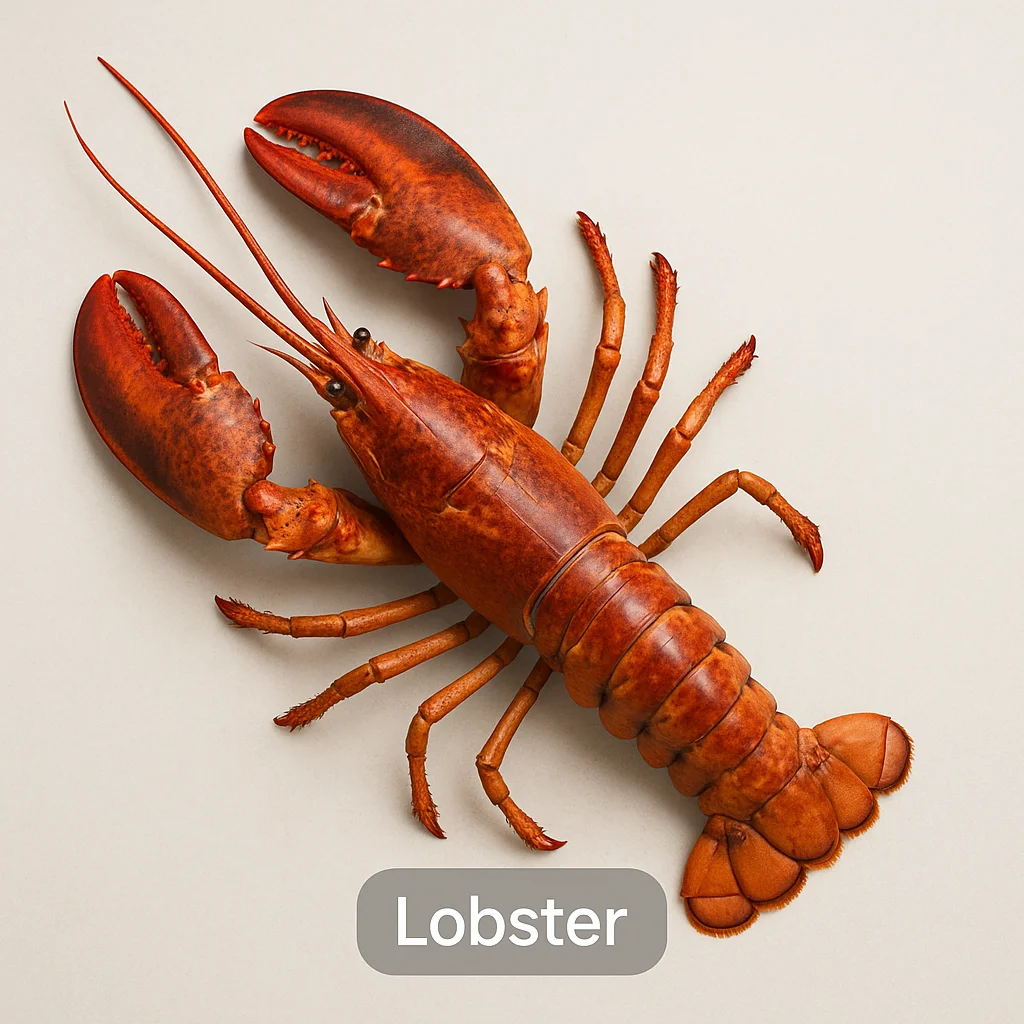
People across the globe enjoy lobster due to its distinct taste and texture, which can be highlighted in various cooking methods ranging from boiling and grilling to integrating in complex recipes. Whether served whole or integrated into a dish, lobster provides a luxurious culinary experience. It is essential to know how to purchase, store, and prepare lobster to fully enjoy its qualities while ensuring food safety.
🐠 Taste & Texture
Lobster is renowned for its delicate, sweet flavor and tender meat. When fresh, it has a sweet ocean brininess that can enhance any dish it accompanies. The texture is firm yet succulent, with a buttery mouthfeel that can vary slightly depending on the cooking method. The meat typically flakes into large, tender chunks that are both satisfying and delectable.
- Quick taste profile:
- Sweet, oceanic flavor
- Firm, tender texture
- Buttery mouthfeel
- Large, succulent flakes
🌊 Origin & Habitat
Lobsters are primarily found in the coastal waters of North America, Europe, and parts of Oceania. They typically inhabit the colder waters of the Atlantic Ocean but are also found in other coastal areas around the world. Lobsters can be harvested from the wild or farmed, with wild lobsters often favored for their robust flavor profile. Being bottom-dwellers, they are commonly found hiding among rocks and seaweed.
Common harvesting regions include the Northeastern United States (Maine Lobster), Eastern Canada, Northern Europe, and Australia. Each region might impart subtle differences in taste and texture due to the varied marine environments.
📅 Best Season
The best season for lobster varies by region, making it crucial to know your local lobster seasons when buying. Generally, summer and early fall are peak lobster seasons in many parts of the world. During these times, lobsters are often more full-bodied and rich in flavor due to higher fat content, improving both taste and texture. Additionally, during the peak season, prices are typically lower due to increased supply.
🔪 Preparation
Preparing lobster for cooking involves several steps to ensure it is clean and safe to eat. Live lobsters are often preferred, as they preserve the freshness and quality of the meat. Once the lobster is euthanized humanely, it is essential to rinse it thoroughly under cool, running water. Discard the head sac and intestinal vein, as these can impart undesirable flavors.
- Checklist for preparation:
- Assess freshness (live is best)
- Rinse thoroughly
- Remove head sac and vein
- Separate tail meat if needed
For odor control, a quick rinse or soak in salted water can reduce any lingering scent. However, be cautious not to leave it too long in water to avoid loss of flavor.
❄️ Storage Tips
Proper storage is key to maintaining the quality of lobster meat. In the refrigerator, cooked lobster meat should be consumed within 1 to 2 days. Keep the meat wrapped in airtight containers to minimize exposure to air and moisture. If storing live lobsters, they should be kept cold and moist, ideally in a container with damp seaweed or paper towels.
For longer storage, freezing is an effective option. To freeze, portion the meat and ensure all air is removed from the packaging to prevent freezer burn. Thaw the lobster in the refrigerator overnight to retain its texture and flavor.
- Do: Store in airtight containers, use ice packs for live lobsters
- Don't: Leave in water, expose to air or high temperatures
🍽️ Popular Dishes
Lobster can be featured in an array of gastronomic creations, each highlighting its unique flavor and texture. Here are some popular dishes:
- Lobster Roll: A classic, combining chilled lobster meat with mayonnaise or butter, and served in a toasted bun.
- Grilled Lobster: High heat grilling adds a smoky flavor, accentuating the sweet meatiness.
- Lobster Bisque: A creamy soup showcasing a rich lobster flavor, often finished with cream and cognac.
- Lobster Thermidor: A French dish served with baked, cream-based sauces and cheese over lobster meat.
- Lobster Paella: Adds a seafood luxury to the classic Spanish rice dish.
- Sashimi: If sourced correctly, lobster can be served raw in a delicate and flavorful sashimi presentation (sourced from sashimi-grade allowing fish, always handle with care).
🥗 Nutritional Benefits
Consuming lobster provides a host of nutritional benefits. It is an excellent source of protein, which is crucial for muscle maintenance and growth. Lobster also contains omega-3 fatty acids, which are important for heart health. Additionally, it offers a wealth of vitamins and minerals.
- High protein content
- Rich in omega-3 fatty acids
- Vitamins such as B12 and E
- Essential minerals like zinc, magnesium, and phosphorus
⚠️ Who Should Eat & Caution
While lobster can be a healthy addition to the diet, certain individuals should exercise caution. Shellfish allergies are commonplace and can pose significant health risks. Therefore, those with known allergies should avoid consuming lobster. Moreover, lobsters may contain mercury, though typically at lower levels than some larger fish. Pregnant individuals and young children should consume lobster in moderation, following local guidelines.
It is important to be aware of the risks associated with eating raw or undercooked lobster. Always ensure it is properly cooked and handled to prevent foodborne illnesses. Cross-contamination can be prevented by using separate utensils for raw and cooked seafood.
📌 Summary
Lobster is a luxurious seafood valued for its sweet and rich flavor, versatile in various dishes from around the globe. Whether served traditionally in a bisque or creatively in sushi rolls, it makes a memorable culinary experience. Proper preparation and storage will ensure that the delicate flavors are preserved, enhancing any meal it's part of.
- Delicate, sweet taste with buttery texture
- Varies in flavor based on region and harvest season
- High in protein with healthful fats and minerals
- Careful handling for freshness and safety
- Suitable for countless cooking styles and ingredients