🐟 Wakame
Wakame is a type of edible seaweed commonly found in Japanese cuisine, known for its distinctive flavor and nutritional benefits. Often referred to as "sea mustard," wakame is appreciated worldwide for its delicate texture and slightly sweet taste. People enjoy it fresh or dried in soups, salads, and as a garnish. As an essential ingredient in dishes such as miso soup and seaweed salad, wakame is both versatile and nutritious. The flavor and ease of preparation make it a sought-after food across cultures, appealing to those who appreciate a combination of taste and health benefits.
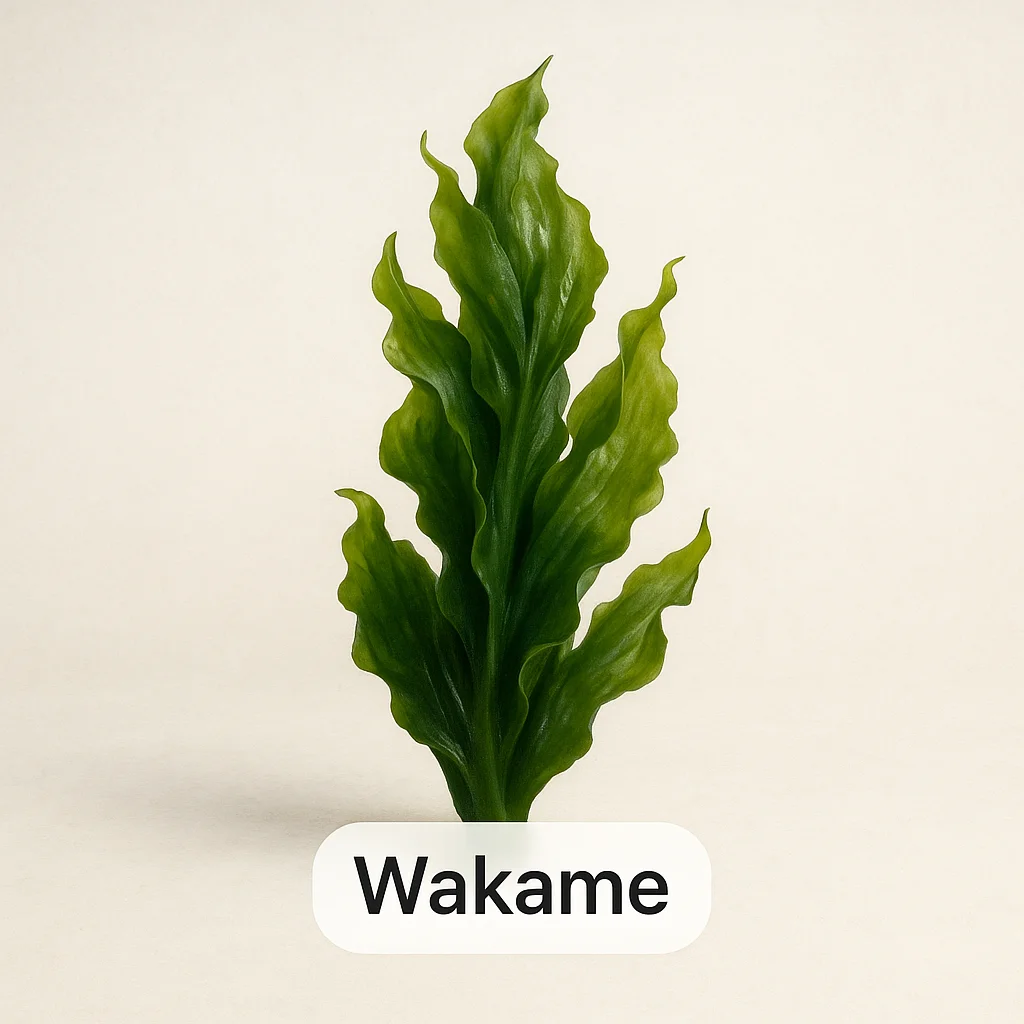
In addition to its culinary uses, wakame can offer a unique sensory experience. Its silky texture and subtle ocean aroma make it stand out among its seaweed counterparts. Whether you're an enthusiast of seafood or simply looking to explore new flavors, wakame might be an intriguing addition to your diet.
🐠 Taste & Texture
Wakame is celebrated for its mild and sweet flavor profile, with a subtle hint of saltiness reminiscent of the ocean. The texture is smooth and slightly slippery, giving it a tender mouthfeel that is quite pleasant. When fresh, the seaweed emits a gentle marine scent, which should be clean and not overpowering.
- Mild sweetness and saltiness
- Delicate and smooth texture
- Subtle oceanic aroma
- Silky and tender mouthfeel
🌊 Origin & Habitat
Wakame is typically found in temperate coastal waters and is widely harvested in regions such as Japan, Korea, and China. This versatile seaweed can thrive in both wild and farmed environments, with farmed varieties often being more consistently available year-round. Wild wakame may exhibit slight variations in taste and texture due to its natural habitat conditions.
Given its adaptability, wakame is often sourced from large seaweed farms, which provide a steady supply to meet global demand. Whether harvested from wild or farmed settings, wakame continues to enjoy popularity due to its culinary versatility and nutritional profile.
📅 Best Season
The peak season for wakame generally occurs in late winter to early spring. During this time, the seaweed tends to have optimal flavor and texture due to enhanced conditions for growth. The cooler waters contribute to a tender texture, making it more desirable and often more affordable. However, because wakame is often farmed, its availability can be consistent throughout the year.
Bear in mind that seasonality may vary by region, so local availability and quality might differ based on local harvesting practices and climate conditions.
🔪 Preparation
Preparing wakame is relatively straightforward. It usually involves rehydrating if it's dried, followed by a gentle rinsing to remove excess salt. Cleaning is essential to ensure the best taste and texture in your dishes.
- Rinse thoroughly in cold water
- Soak dried wakame to rehydrate it
- Remove any tough stems or undesirable bits
- Slice or chop to desired size for dishes
For odor control, especially when handling fresh wakame, you can briefly soak it in a mixture of water and a small amount of vinegar. However, a quick rinse under running water is generally sufficient to remove any unwanted aromas.
❄️ Storage Tips
When storing wakame, particularly if it's fresh, it's best kept in the refrigerator. Firmly wrap it in an airtight container to keep moisture away and maintain freshness. If necessary, store it on a layer of ice to further preserve its quality. For dried wakame, ensure it is kept in a cool, dry place, sealed in airtight packaging.
- Do store in an airtight container
- Do refrigerate fresh wakame on ice if possible
- Do store dried wakame in a cool, dry place
- Don't expose to excess moisture or direct sunlight
- Don't mix raw wakame with other foods without separating safely
When freezing, portion out wakame if needed and use airtight containers or freezer bags with the air expelled to prevent freezer burn. Thaw the seaweed in the refrigerator to maintain its texture and safety.
🍽️ Popular Dishes
Wakame is versatile, lending itself to various culinary applications. Here are some popular dishes featuring wakame:
- Miso Soup: A Japanese staple where wakame enhances the broth with a subtle seaweed flavor.
- Seaweed Salad: Often dressed in a sesame-based vinaigrette, highlighting wakame's smooth texture and natural sweetness.
- Ramen Toppings: Adds a flavorful, marine element to the rich broth of ramen noodles.
- Tofu Stir-Fry: Pairs beautifully with tofu and vegetables, offering a soft contrast in texture.
- Seaweed Rice Bowls: Incorporated into rice for added flavor and nutrients.
- Sushi Rolls: Wraps around sushi to provide an extra layer of taste and nutrition.
When preparing dishes involving raw wakame, ensure it is appropriately cleaned. Always source wakame from trusted suppliers to minimize risks associated with raw seafood consumption.
🥗 Nutritional Benefits
Wakame is not only delicious but also packed with nutrients that contribute to overall health. It is known to be a good source of essential minerals and vitamins, benefiting those who include it in their diets regularly.
- Rich in iodine, supporting thyroid function
- Contains calcium and magnesium for bone health
- High in vitamins such as folate and vitamin K
- Low in calories, making it suitable for weight management
As with any food, moderation is key. Enjoy wakame as a part of a balanced diet to maximize its nutritional contributions without overconsumption.
⚠️ Who Should Eat & Caution
While wakame is generally safe for most to enjoy, there are considerations to keep in mind. People with seaweed allergies should avoid it, and one should be aware of cross-contact in kitchens where allergens might be present. As wakame contains naturally occurring iodine, individuals with thyroid sensitivities should consult their healthcare provider before making significant dietary changes involving seaweed.
Pregnant women, nursing mothers, and young children should be mindful of consuming it often due to potential mercury content. Always practice safe handling of seafood: wash hands and utensils thoroughly and use separate boards for raw fish to prevent cross-contamination. Ensure all servings are fresh and sourced from reputable suppliers.
📌 Summary
Wakame is a mild, flavorful seaweed popular in diverse culinary traditions. Its tender, silky texture and delicate sweetness make it a versatile component in many dishes. When sourcing wakame, look for evidence of freshness: a clear ocean-like scent and a vibrant green color. Proper storage and handling ensure that wakame retains its quality for diverse cooking applications.
- Soft, mild flavor with a subtle ocean scent
- Popular in soups, salads, and as a sushi component
- Store in airtight containers, refrigerate or freeze
- Rich in essential vitamins and minerals
Wakame supports diverse culinary styles, offering a unique taste profile and nutrients, making it a valuable seaweed variety in kitchens worldwide.