🐟 Green Caviar
Green Caviar, often referred to as "sea grapes" or "Caulerpa lentillifera," is a unique type of seaweed popular in many coastal culinary traditions for its bursting texture and oceanic flavor. Unlike traditional fish-based caviar, green caviar consists of tiny pearls that contain a juicy, briny essence when bitten, making it a delight for those looking to experience the fresh taste of the sea with a plant-based twist. People enjoy green caviar not only for its vibrant flavor but also for its aesthetic appeal in dishes and its potential nutritional advantages.
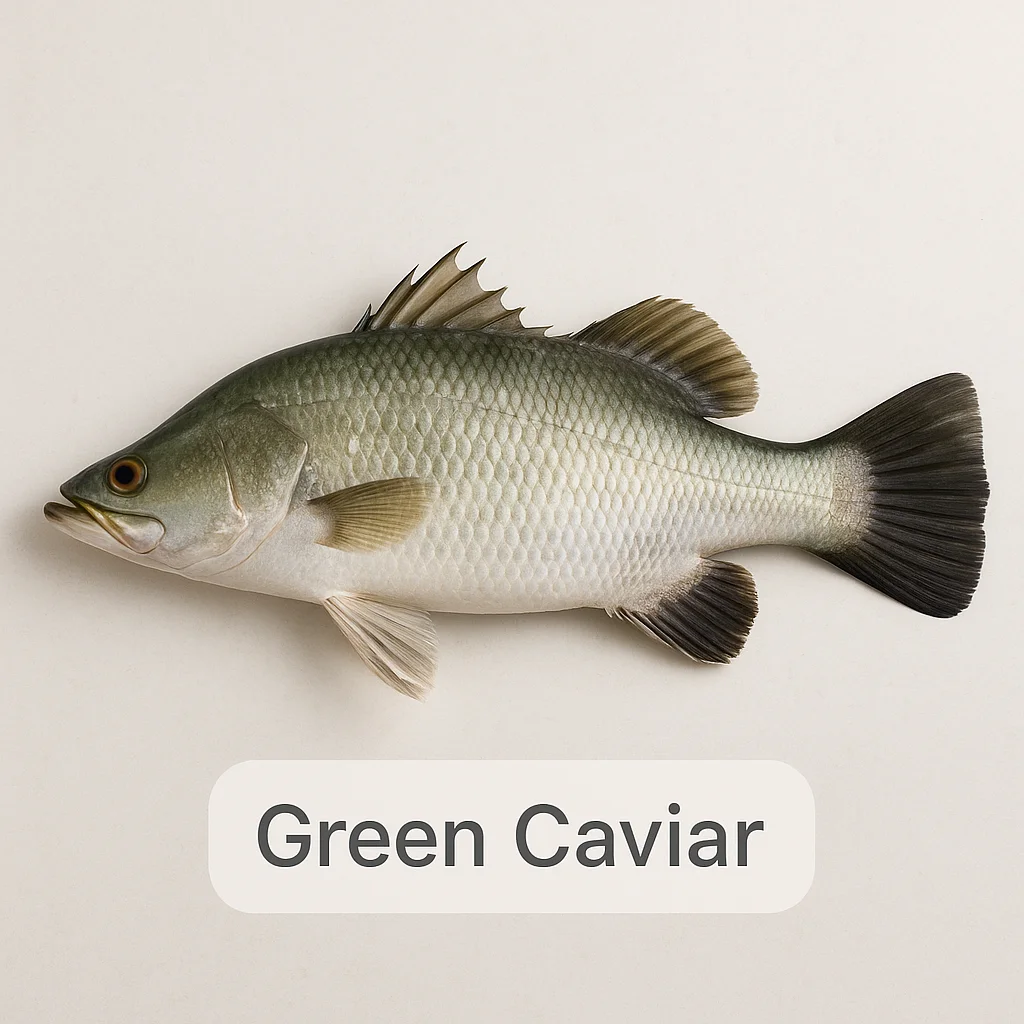
While it doesn't carry the same luxurious reputation as sturgeon caviar, green caviar is prized in Asian cuisines, particularly in Japan and the Philippines. This seaweed serves both as a topping for various dishes and a stand-alone salad ingredient. Its distinct flavor and texture profile make it a popular choice for enhancing the taste of simple or elaborate meals.
🐠 Taste & Texture
The taste of green caviar is a refreshing mix of salty and slightly sweet notes reminiscent of a light sea breeze. Its texture is what sets it apart—bursting, crisp, and juicy. The pearls pop gently in the mouth, releasing a briny liquid that heightens the sensory experience without being overpowering. The aroma is faintly marine, indicative of its oceanic origin, yet not overwhelmingly fishy, making it an appealing ingredient even for those wary of stronger seafood odors.
- Taste: Lightly salty with a subtle sweetness
- Texture: Crisp and bursting
- Mouthfeel: Juicy and refreshing
- Aroma: Mildly oceanic
🌊 Origin & Habitat
Green caviar is typically found in the warm, shallow coastal waters of the Indo-Pacific region. It thrives in sand and mudflats, where it forms dense mats. This seaweed is largely harvested in the Philippines, Japan, and Vietnam. While wild harvests are common, aquaculture has played an increasingly important role in its availability, ensuring a steady supply without overstraining natural resources. Farmed green caviar can offer a more controlled quality in terms of taste and texture, often showcasing a consistent, mild flavor.
📅 Best Season
The optimal season for green caviar can vary by region due to differing climates and water conditions. However, it is generally harvested year-round in tropical regions, with slight variations in flavor and tenderness due to environmental factors. During cooler months or seasons with less sunlight, green caviar may have a slightly firmer texture and enhanced flavor. Buying in-season helps ensure peak freshness, an important factor for the best possible taste and nutritional content in this delicate seaweed.
🔪 Preparation
Preparing green caviar is straightforward. There is no need for scaling or gutting; the focus is on thoroughly cleaning it to remove any sand or debris. A gentle rinse under cold running water often suffices. For those looking to further remove any strong oceanic smell, soaking in fresh water with a pinch of salt for a few minutes can reduce odors.
- Rinse under cold water to remove sand and debris
- Soak in lightly salted water for odor control (optional)
- Serve fresh to retain texture and flavor
For odor control, soaking in dairy milk is popular among some chefs, as the proteins in milk can help neutralize stronger smells, though this is optional since green caviar is usually mild.
❄️ Storage Tips
When storing green caviar, freshness is paramount. It is best consumed shortly after purchase for optimal flavor and texture. In the refrigerator, it can last up to 3 days if kept in a sealed container to prevent exposure to air. The key is to keep it dry until just before consumption.
For longer storage, freezing is possible, but it may alter the texture. To freeze: portion it into small quantities, seal in airtight bags, and remove excess air to prevent freezer burn. Thaw gently in the refrigerator before serving.
- Do: Store in a sealed container, refrigerate promptly, use within 3 days
- Don't: Expose to air, store damp
🍽️ Popular Dishes
Green caviar lends itself to a variety of culinary applications, enhancing both flavor and presentation with its unique texture:
- Seaweed Salad: Lightly tossed with sesame oil and soy sauce
- Sushi & Sashimi: Used as a decorative and flavorful topping
- Tempura: Lightly battered and deep-fried for a crunchy texture
- Pasta Dishes: Added to seafood pastas for a burst of flavor
- Rice Bowls: Served atop bowls of steamed rice, often with fish
- Tropical Salads: Mixed with tropical fruits and light vinaigrette
For recipes that involve raw preparations, ensure green caviar's freshness by sourcing from reputable suppliers to minimize the risk associated with consuming raw seafood products.
🥗 Nutritional Benefits
Green caviar is a rich source of hydration, comprised mostly of water. It offers a delicate balance of essential minerals and vitamins that are beneficial for everyday health. While not a significant protein source, it contributes small amounts of nutrients found in marine vegetables.
- Iodine: Important for thyroid function
- Iron: Supports blood health
- Vitamin C: Boosts immune health and skin vitality
⚠️ Who Should Eat & Caution
As with any seafood product, individuals with shellfish allergies should exercise caution, as cross-contact can occur in mixed kitchens. While green caviar does not contain mercury like certain fish, those with any allergy concerns should consult a healthcare professional.
For pregnant individuals and young children, ensure green caviar is sourced from reputable producers to avoid potential contaminants associated with raw seaweed consumption. Safe-handling practices, such as thorough washing and minimizing cross-contamination with raw foods, are advisable.
📌 Summary
Green caviar is a delightful addition to various dishes, loved for its unique texture and gentle briny flavor. Its versatility makes it suitable for salads, sushi toppings, and seafood dishes. Best enjoyed fresh and in-season, green caviar can elevate meals both visually and taste-wise.
- Enjoy its crisp, popping texture and lightly salty taste
- Source fresh for maximum flavor and benefit
- Store correctly to maintain quality and safety