🐟 Gim
Gim, also widely referred to as nori, is a type of edible seaweed that is commonly enjoyed for its flavorful profile and versatility in cooking. This sea vegetable is often associated with Japanese cuisine, particularly sushi, but is equally popular in Korean and other Asian culinary traditions. Gim is usually available in dried sheets and is favored for its umami taste, which enhances both simple and intricate dishes. People consume gim not only for its distinct flavor but also for its nutritional benefits, which include essential vitamins and minerals.
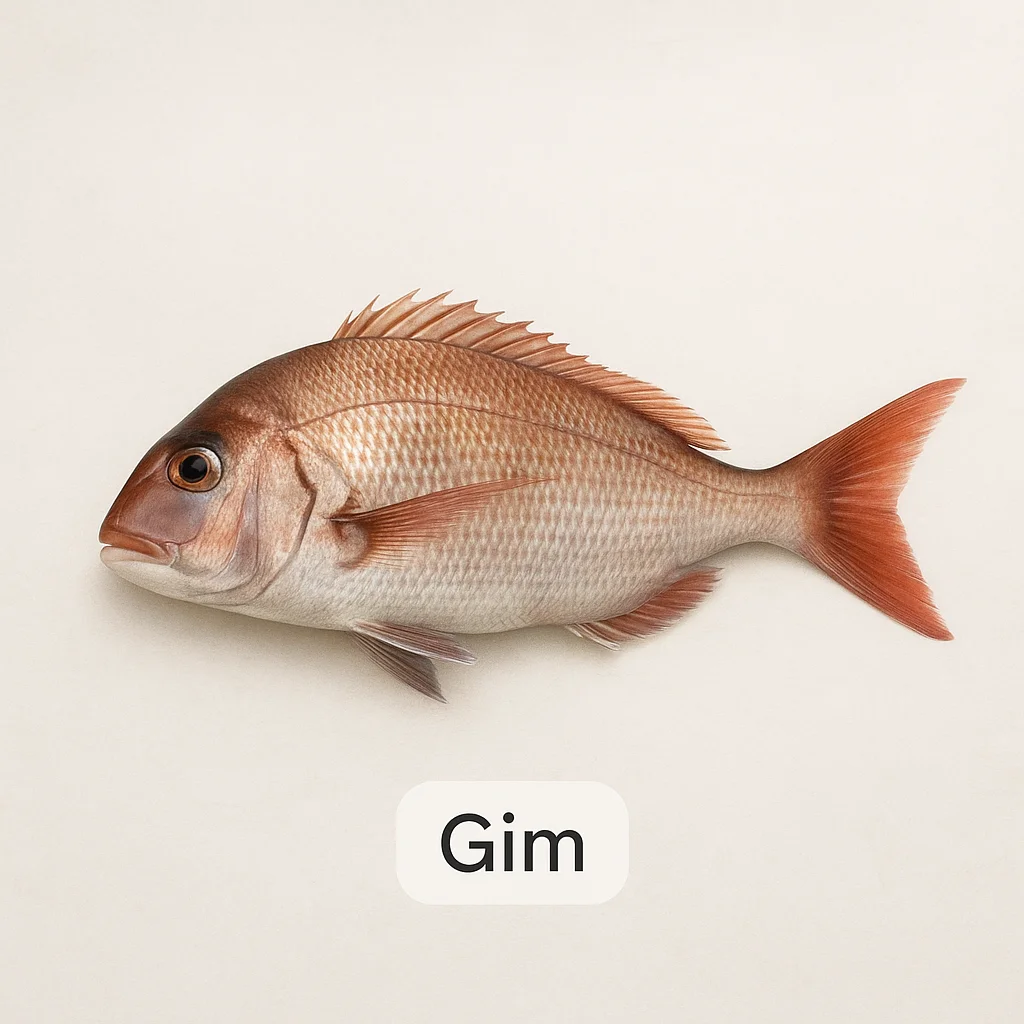
The versatility of gim makes it a culinary staple in many parts of the world. Whether used to wrap sushi or as a snack on its own, gim’s salty, slightly sweet flavor and crisp texture add depth to various recipes. Its low-calorie count and significant nutrient profile make it an appealing choice for health-conscious consumers. From elaborate dining experiences to casual eating, gim fits seamlessly into diverse meal settings.
🐠 Taste & Texture
Gim exhibits a subtle yet distinctive flavor profile. It possesses an umami-rich taste, which is often described as a pleasant balance of salty and slightly sweet notes. The texture is crisp when dry but becomes tender once it absorbs moisture. When fresh, gim should have a clean, ocean-like aroma that hints at its coastal origins.
- Umami-rich flavor
- Salty with a hint of sweetness
- Crisp when dry, tender when moist
- Fresh ocean smell
🌊 Origin & Habitat
Gim is predominantly cultivated in the shallow coastal waters of East Asia, with significant production occurring in Japan, Korea, and China. These regions provide the ideal conditions, including nutrient-rich waters and temperate climates, which are crucial for optimal growth. While wild gim does exist, most of what is found in markets comes from controlled farming practices, ensuring a consistent supply and quality.
The farming of gim allows for greater accessibility and affordability. It also contributes to minimizing environmental impacts that may occur from overharvesting wild populations. The differences in cultivation methods may slightly affect texture and taste, but generally, farmed gim offers a reliable product with consistent flavor and quality.
📅 Best Season
Seasonality for gim varies by region. The production is largely dependent on water temperature and sunlight, factors that fluctuate throughout the year. However, cooler months usually lead to a more robust flavor and texture due to slower growth rates, which can concentrate the seaweed's nutrients and flavor compounds.
While gim is available year-round due to modern farming techniques, purchasing during these peak cooler months can sometimes yield a higher-quality product. The concentrated flavor and texture can enhance dishes more significantly than those produced during warmer periods.
🔪 Preparation
Preparing gim for consumption is relatively simple. Dried gim sheets required minimal processing beyond handling with clean, dry hands to avoid moisture transfer. If fresh or raw varieties available, basic preparation might include rinsing under cool water to remove any sea salt residue. Following this, the gim can be lightly toasted over an open flame or dry skillet to enhance its flavor before consumption.
- Handle dried gim with dry hands
- Rinse fresh/raw gim under cool water for cleaning
- Optional light toasting for flavor enhancement
- Keep all tools clean to avoid contamination
To mitigate any oceanic odor, briefly soaking gim in fresh water can be helpful. If stronger odor control is desired, soaking in milk or a saltwater solution before rinsing can reduce intensity, although these methods are not commonly necessary for dried, commercially packaged gim.
❄️ Storage Tips
Gim should be stored in a cool, dry place, ideally in an airtight container to maintain its crisp texture. When stored properly, dried gim can last several months. Once the package is opened, the remaining sheets should be kept away from moisture to prevent sogginess and loss of flavor.
Freezing gim is not generally recommended as it can alter its texture. However, if the need arises, ensure it is stored in airtight freezer-safe packaging to prevent freezer burn, with air removed before sealing. When thawing, bring gim to room temperature gradually to retain its texture.
- Do store in airtight containers
- Don't refrigerate unless necessary for fresh varieties
- Avoid moisture to preserve crispness
- Keep away from strong odors that the sheets might absorb
🍽️ Popular Dishes
Gim features prominently in several dishes around the world. Some popular preparations include:
- Sushi Rolls - Used as a wrapper for sushi; emphasizes the seaweed's tender texture after absorbing moisture.
- Gim Bugak - A Korean dish where gim is coated with glutinous rice paste and then fried.
- Miso Soup - Added to this soup for a boost of umami flavor.
- Rice Balls (Onigiri) - Wrapped around rice balls for both flavor and decoration.
- Seasoned Snacks - Lightly salted and toasted gim as a crunchy, savory snack option.
- Poke Bowls - Utilized as a garnish for added flavor and texture.
For raw preparations, such as sushi, ensure that all ingredients are fresh and sourced from reputable suppliers to minimize any safety risks associated with raw seafood.
🥗 Nutritional Benefits
Gim is valued for its rich nutrient content, offering a variety of health benefits. It is an excellent source of iodine, vital for thyroid function, and provides a good amount of vitamins and minerals, including vitamins A and C, iron, and calcium.
- Rich in iodine
- Contains vitamins A and C
- Source of iron and calcium
- Low in calories
Due to its nutrient-dense profile, incorporating gim into your diet can augment the intake of essential nutrients, contributing to overall nutritional well-being.
⚠️ Who Should Eat & Caution
Those with fish or shellfish allergies should exercise caution, as cross-contact in processing facilities can occur. Be sure to check labels for allergen information when purchasing pre-packaged gim. Also, note that high iodine content may be a concern for individuals with thyroid conditions; moderation is advised.
For pregnant individuals and young children, consider potential mercury exposure from associated seafood consumption and always adhere to recommendations for safe consumption levels. Raw gim dishes should be prepared with vigilance to prevent any foodborne illnesses.
📌 Summary
Gim, optimal for diverse culinary uses, boasts a unique taste profile with its umami-rich and slightly sweet flavor. This seaweed offers versatility, being a perfect match for sushi, soups, snacks, and more. With proper storage, gim can remain a pantry staple for months.
- Taste: Umami-rich, salty-sweet, versatile
- Best Uses: Sushi, snacks, soups, garnish
- Storage: Keep dry to maintain crispness