🐟 Dulse
Dulse (Palmaria palmata) is a type of edible red algae found along the northern coasts of the Atlantic and Pacific Oceans. Known for its umami-rich flavor, dulse can be eaten fresh, dried, or cooked, and has been a staple in certain cultural diets for centuries. It is sometimes referred to by other names such as dillisk (Ireland), sea lettuce flakes, or creathnach. Popular as both a culinary element and a nutritional supplement, dulse is celebrated for its distinctive taste and potential health benefits.
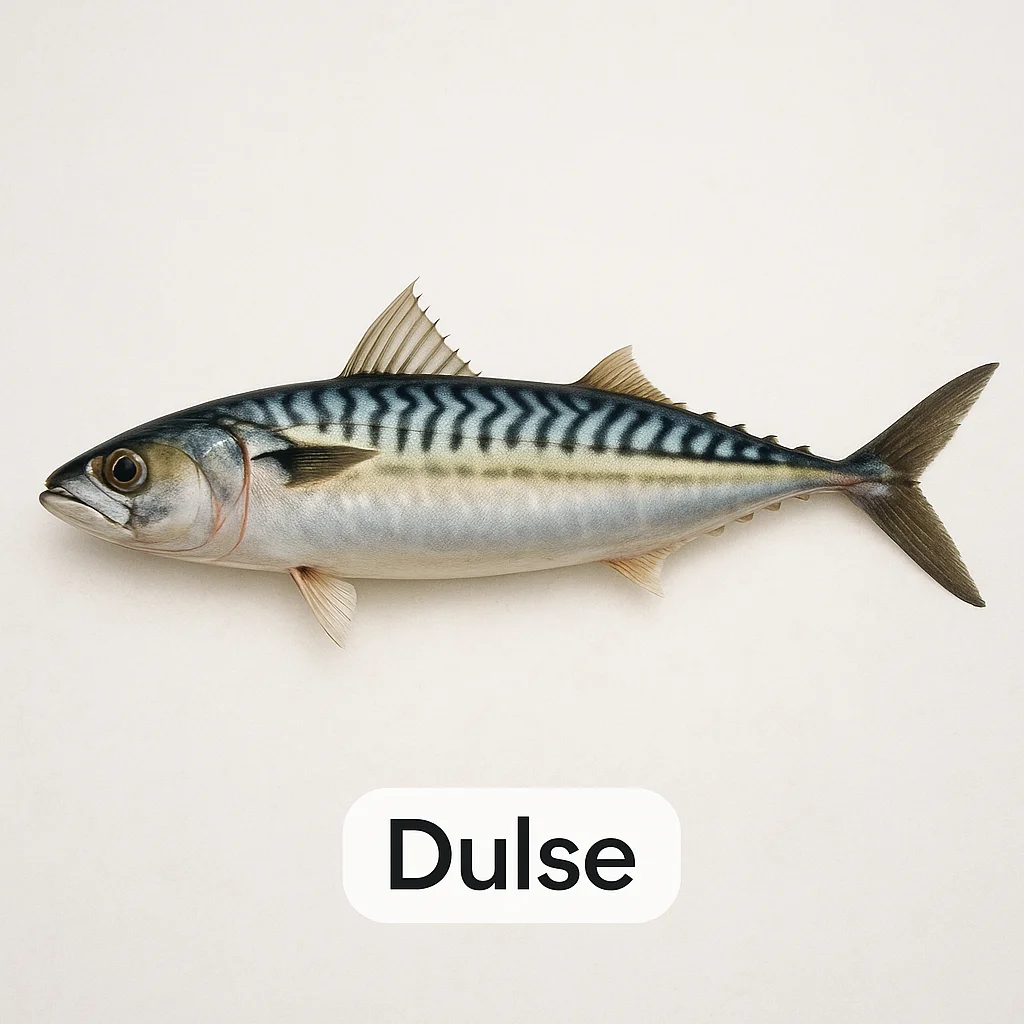
People consume dulse for its savory taste and its purported nutritional content. It can add depth to a variety of dishes, with its slightly salty, ocean-like taste akin to a natural flavor enhancer. Moreover, it is versatile enough to be included in salads, soups, and even as a seasoning when ground into flakes or powder.
🐠 Taste & Texture
Dulse is characterized by its unique combination of flavors and textures. When fresh, it has a slightly chewy texture, with a mineral-rich, salty flavor that some describe as reminiscent of bacon when toasted. The taste intensifies with drying, making dried dulse a popular choice for seasoning rather than direct consumption. The aroma is mild when fresh but becomes more pronounced as it dries.
- Flavor Intensity: Umami-rich, slightly salty
- Texture: Chewy when fresh, crisp when dried
- Smell: Mild oceanic scent, stronger when dried
🌊 Origin & Habitat
Dulse is commonly found along the northern coasts of the Atlantic and Pacific Oceans. It primarily resides in coastal waters and attaches itself to rocks and other hard substrates, thriving in areas where the water is clean and nutrient-rich. While wild dulse is commonly harvested, there are also farming operations that cultivate dulse to meet growing demand.
Regions where dulse is often harvested include the coastal areas of Ireland, Iceland, and Canada, as well as parts of the northeastern United States. Farming operations may vary slightly in taste and texture due to controlled growing conditions.
📅 Best Season
The availability and peak quality of dulse can vary by region. Typically, dulse is at its best during late spring through early fall, where conditions are optimal for growth. In the peak season, dulse is more vibrant in color and richer in nutrients, making it an ideal time to harvest for the freshest product. However, with advancing aquaculture techniques, dulse's availability can now cater to year-round demand in many areas. It’s always beneficial to check with local suppliers for the best times to purchase.
🔪 Preparation
Preparing dulse for culinary use is relatively straightforward. Fresh dulse should be rinsed thoroughly to remove any sand or debris and can then be used in a variety of ways, including raw in salads or blanched. For dried dulse, rehydrating is recommended if you plan to use it in cooked dishes, although it can be used directly as a seasoning.
- Rinse fresh dulse under cold water.
- If dried, soak in warm water to rehydrate.
- Blanch to reduce excess salt if desired.
- Cut or tear into smaller pieces for cooking or garnishing.
To manage any strong seaweed odor, a quick rinse in a solution of water and lemon juice can be beneficial. A brief soak in milk may also help neutralize stronger scents without affecting the flavor.
❄️ Storage Tips
Proper storage ensures dulse maintains its quality and flavor. For fresh dulse, keep it refrigerated and use within a few days. Dried dulse has a much longer shelf life and should be stored in a cool, dry place, in an airtight container to maintain its crispness.
- Do: Store fresh dulse in the fridge and use it promptly.
- Do: Keep dried dulse in an airtight container away from moisture.
- Don’t: Store near strong odors or in direct sunlight.
If you plan to freeze dulse, do so promptly and use a vacuum-sealed bag to prevent freezer burn. To thaw, simply let it sit in the fridge overnight until it regains its texture.
🍽️ Popular Dishes
Dulse is featured in a wide array of dishes across different cuisines. Here are some popular preparations:
- Grilled Dulse: Briefly grill on high heat for a crispy texture.
- Pan-Seared Dulse: Sauté with a little olive oil and garlic to enhance its umami flavor.
- Dulse Soup: Add to broths for a deep, savory base.
- Fried Dulse Chips: Fry on medium heat until crisp, similar to kale chips.
- Baked Dulse: Sprinkle over baked dishes for a salty finish.
- Dulse Salad: Toss with mixed greens, vinaigrette, and walnuts for a balanced dish.
Due to the potential risks of raw consumption, ensure dulse is sourced from reputable suppliers to minimize safety concerns. Raw dishes should be approached with the same care and awareness as sushi-grade fish.
🥗 Nutritional Benefits
Dulse is praised for its nutritional profile, contributing essential minerals and dietary fiber. It is a rich source of iodine, integral for thyroid health, and offers a good amount of vitamins such as vitamin A and C, along with trace minerals like iron and potassium. Its protein content makes it a valuable component in vegetarian and vegan diets.
- Iodine and vitamin A for thyroid and vision health
- Rich in vitamin C and iron for immune support
- Contains fiber, aiding digestion
⚠️ Who Should Eat & Caution
While dulse can be a nutritious addition to most diets, those with seaweed allergies should avoid it. Pregnancy and breastfeeding women, as well as young children, should monitor intake due to iodine and potential heavy metal content. It's important to source from quality vendors to mitigate these risks. Proper handling and preparation are crucial in preventing the risks associated with raw or undercooked seaweed dishes.
As always, maintaining separate preparation areas and equipment for dulse and other raw seafood items avoids cross-contact—a simple but effective food safety practice.
📌 Summary
Dulse, with its umami-rich flavor and chewy texture when fresh or crisp texture when dried, adds a unique taste to many culinary creations. Whether incorporated in soups, transformed into chips, or simply used as a seasoning, it offers both versatility and nutritional benefits. While seasonal variations exist, thoughtful sourcing and preparation ensure a quality eating experience.
- Dulse features a savory, mineral-rich flavor.
- Typically best in late spring through early fall.
- Store dried in airtight containers; refrigerate fresh.
- Popular in soups, salads, and as a snack.
- Rich in vitamins A, C, and iodine, good source of fiber.