🐟 Bladderwrack
Bladderwrack, also known by its scientific name Fucus vesiculosus, is a type of brown seaweed that is often found clinging to rocky shores in the North Atlantic and Pacific Oceans. This edible seaweed, also referred to as black tang or rockweed, has been consumed for centuries due to its rich nutrient profile and unique flavor characteristics. It is popular in a variety of cuisines around the world, from hearty soups and stews to fresh salads. People eat bladderwrack for its potential health benefits, as it is high in iodine and other essential minerals.
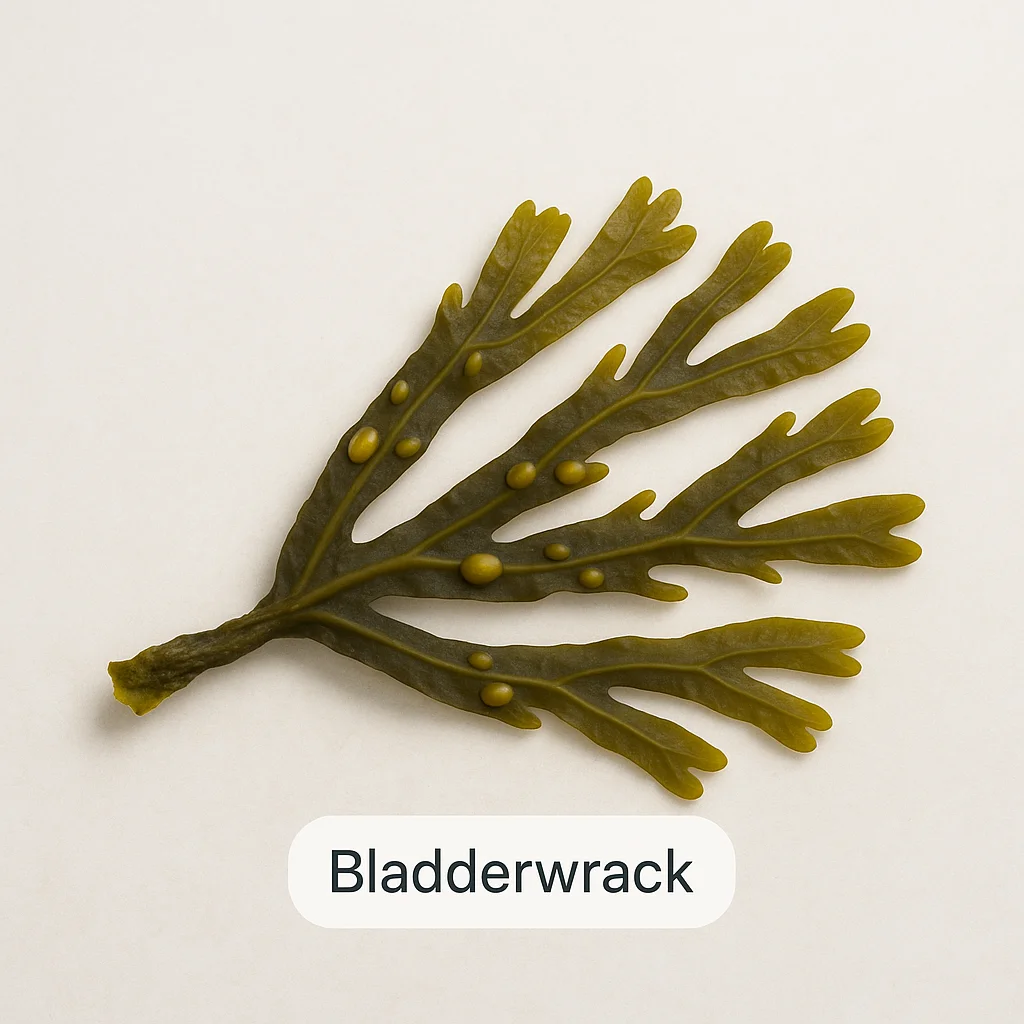
While primarily known as a herbal supplement in some cultures, bladderwrack is gaining popularity as an ingredient in modern culinary applications, offering a unique taste that can enhance numerous dishes. It is crucial to obtain bladderwrack from reputable sources to ensure its quality and safety when incorporating it into your diet.
🐠 Taste & Texture
The flavor of bladderwrack can be described as salty and briny, reminiscent of the ocean. There is a mild sweetness underneath the saltiness, which makes it a pleasant addition to various dishes. The texture of bladderwrack is slightly rubbery and chewy, providing a satisfying mouthfeel that contrasts well with softer ingredients in salads or soups. When fresh, bladderwrack gives off a clean, oceanic scent, indicative of its freshness.
- Quick taste profile: salty, briny, mildly sweet
- Texture: chewy and slightly rubbery
- Smell: fresh, oceanic aroma
🌊 Origin & Habitat
Bladderwrack thrives in cold coastal waters, particularly along the rocky shores of the North Atlantic and Pacific Oceans. It can be found in abundance in coastal areas of Europe, North America, and parts of Asia. The seaweed is usually harvested from the wild, although some cultivation occurs. The environment in which bladderwrack grows has a significant impact on its flavor and nutritional profile.
📅 Best Season
The availability of bladderwrack can vary depending on the region and local harvest practices. Generally, bladderwrack is collected during the warmer months when it grows most abundantly. Therefore, its peak season is typically from late spring to early fall. Harvesting during its peak ensures optimal flavor and nutrient content, making it more desirable in culinary applications.
🔪 Preparation
Preparing bladderwrack requires minimal effort compared to other types of seafood. It can be used fresh or dried. For fresh bladderwrack, thorough rinsing under cold water is recommended to remove any sand and debris. If the seaweed has been collected whole, you may need to trim off any tougher ends. Keeping a dedicated cutting board and knife for seafood can help prevent cross-contamination when handling fresh seaweed.
- Rinse thoroughly under cold water
- Trim or chop as necessary
- Handle with separate tools for seafood
To manage the strong sea odor, some may soak bladderwrack in a mixture of water and a small amount of vinegar or salt briefly before use. This can help neutralize the scent without affecting the taste significantly.
❄️ Storage Tips
Proper storage of bladderwrack is essential to maintain its quality and freshness. When refrigerating, place fresh bladderwrack in an airtight container or wrap it tightly in plastic wrap to prevent exposure to air. It can typically be stored in the fridge for up to a week. For longer storage, freezing is an option. Before freezing, portion the seaweed and remove as much air as possible from the packaging to prevent freezer burn. When ready to use, thaw it slowly in the fridge.
- Do: Store in airtight containers or wraps
- Do: Portion before freezing, remove air
- Don't: Expose to air for extended periods
- Don't: Refreeze once thawed
🍽️ Popular Dishes
Bladderwrack is versatile and can be incorporated into various dishes. Here are some popular ways to enjoy it:
- Bladderwrack Soup: Often cooked with fish or clam broth to enhance its briny flavor.
- Seaweed Salad: Combined with fresh vegetables and a light dressing, emphasizing its texture.
- Bladderwrack Herbal Tea: Dried and steeped for its nutrient properties.
- Seaweed Wraps: Used as a vegetarian stuffing or wrapping material for rice and vegetables.
- Seaweed Bread: Incorporated into dough for an enriched, flavorful loaf.
- Bladderwrack-Infused Oil: Used as a base for dressings, imparting a subtle, oceanic taste.
When integrating raw bladderwrack into recipes, ensure it has been cleaned properly and sourced from a trusted supplier to avoid any food safety issues.
🥗 Nutritional Benefits
Bladderwrack is known for its nutrient-dense profile, often contributing to a balanced diet.
- Rich in iodine, supporting thyroid function
- Contains vitamins A, C, and E
- Minerals such as potassium, calcium, and magnesium
While bladderwrack can contribute positively to a diet, it is always advisable to consume it in moderation, ensuring that it complements other nutrient sources.
⚠️ Who Should Eat & Caution
While bladderwrack is celebrated for its nutritional benefits, it may not be suitable for everyone. Individuals with allergies to seafood, including certain shellfish, should exercise caution. Due to its high iodine content, bladderwrack consumption should be monitored, particularly for those with thyroid conditions. Additionally, pregnant individuals and young children should consider mercury levels in seafood; however, bladderwrack typically possesses lower mercury levels than some fish.
Safe handling practices such as using separate utensils for raw and cooked foods and observing cleanliness in preparation can mitigate potential risks associated with undercooked or contaminated seafood.
📌 Summary
Bladderwrack offers a unique blend of oceanic flavors, providing a distinct taste and texture reminiscent of its habitat. Its culinary uses are diverse, ranging from flavorful soups to refreshing salads, making it a great addition to various cuisines. Optimal storage and proper preparation can help preserve its quality, ensuring a satisfying culinary experience. Whether consumed for health or flavor, bladderwrack is a valuable ingredient worth exploring.
- Unique salty and briny flavor
- Versatile in soups, salads, and teas
- Nutrient-rich, particularly in iodine
- Handle with care for optimal safety and quality