🐟 Seasonal Buying Strategy: What to Buy When Your Favorite Fish Is Out of Season
🧭 Quick Overview
Learn how to maintain your seafood enjoyment and nutrition by finding excellent alternatives when your favorite fish is out of season. This guide is ideal for home cooks, seafood enthusiasts, and anyone seeking sustainable and delicious meal options year-round.
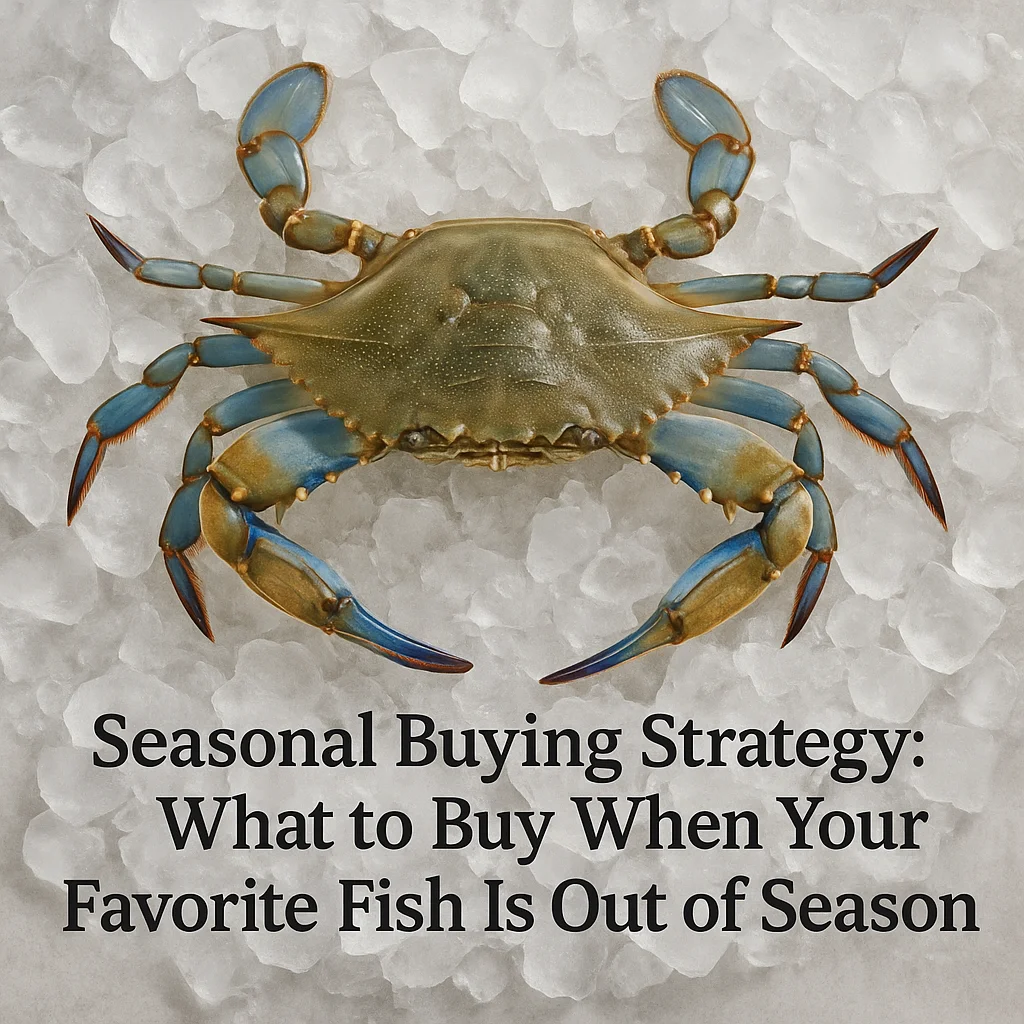
- Best for: Cooks adapting to seasonal availability
- Common problems solved: Lack of available fresh fish, cost fluctuations, sustainability concerns
- What you need: Willingness to explore new flavors and textures
🧠 Why This Matters
Understanding the seasonality of fish not only supports sustainable practices but also ensures the best flavor and texture while potentially saving on costs. Seasonal availability affects taste and nutritional value, offering the freshest and most flavorful seafood options.
✅ Step-by-Step Method
Follow these steps to choose the best alternative when your favorite fish is out of season.
- Step 1: Identify seasonal and off-season times for your preferred fish.
- Step 2: Research similar fish with overlapping flavor and texture profiles.
- Step 3: Visit local fish markets to explore fresh, seasonal options.
- Step 4: Consult fishmongers for recommendations on substitutes that align with your recipes.
- Step 5: Experiment with cooking methods appropriate for new fish types.
🧾 Checklist
Ensure a successful purchasing strategy with this checklist:
- Know the seasonality of your preferred fish
- List alternative fish with similar flavors and textures
- Verify freshness indicators at purchase
- Use recommended storage methods for optimal freshness
- Horizontally explore new recipes and cooking techniques
⚠️ Common Mistakes & Fixes
- Mistake: Relying on frozen fish as your first option. Fix: Choose local and seasonal fresh fish to enjoy better quality.
- Mistake: Purchasing unfamiliar fish without research. Fix: Research taste profiles and nutritional content before buying.
- Mistake: Assuming all fish types cook the same way. Fix: Adapt cooking times and techniques according to fish type.
🌍 Variations by Fish Type
Adapt your approach based on the type of fish you select.
- Oily fish: Rich flavors; use grilling or broiling to enhance taste.
- Lean white fish: Mild flavor; perfect for baking or poaching with flavorful ingredients.
- Thick steaks: Suit grilling and pan-searing for a well-cooked interior.
- Thin fillets: Quick cooking methods like sautéing or steaming are ideal.
🧊 Storage & Leftovers
Store fresh fish in the coldest part of your refrigerator and consume within two days. For freezing, wrap fish tightly in plastic to prevent freezer burn and consume within three months for optimal quality. Leftovers should be reheated thoroughly to an internal temperature of at least 145°F (62.8°C).
🛒 Buying Tips (if relevant)
When purchasing fish, check for bright, clear eyes, vibrant skin, and a mild scent. For fillets, ensure firmness and translucency. Avoid fish with a strong "fishy" odor or dull, mushy flesh.
🧼 Safety Notes
Avoid cross-contamination by using separate utensils and cutting boards for raw fish and other ingredients. Fish should be cooked to an internal temperature of 145°F (62.8°C). When in doubt about a fish's freshness, it is safer not to consume it.
❓ FAQs
- Question: Can I always use frozen fish as an alternative? Answer: While convenient, fresh seasonal fish typically offers better flavor and texture.
- Question: How do I find out the seasonal times for fish? Answer: Consult local fishmongers or online resources specific to your region.
- Question: What if I can’t find a suitable alternative? Answer: Get creative with recipes, incorporating complementary sauces or marinades to enhance available fish.
📌 Summary
- By understanding seasonality, you can enjoy the best-tasting seafood while promoting sustainability.
- Explore different fish types to find substitutes for your favorite out-of-season fish.
- Pay attention to freshness, storage, and cooking methods to ensure delicious meals year-round.