🐟 Seafood Seasonality 101: Why “In Season” Matters for Taste and Price
🧭 Quick Overview
Discover why seafood seasonality is crucial for maximizing taste and minimizing costs. This guide helps consumers make informed choices by highlighting when different types of seafood are at their peak.
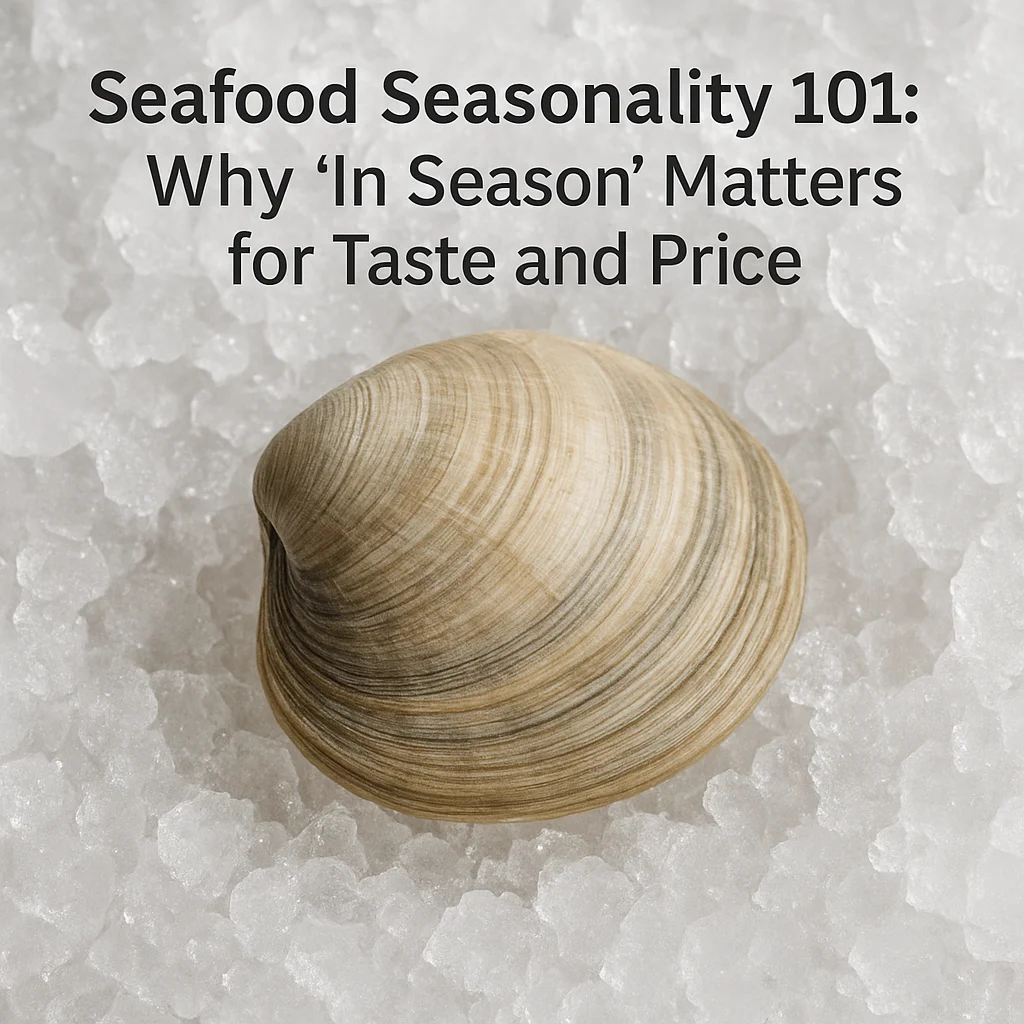
- Best for: Home cooks, seafood enthusiasts, and budget-conscious shoppers.
- Common problems solved: Understanding fluctuations in seafood prices and taste quality.
- What you need: Basic knowledge of seafood types and seasonal patterns.
🧠 Why This Matters
Seafood that's in season is generally more abundant, which often translates to lower prices and fresher, better-tasting products. Buying seasonal seafood can also support sustainable fishing practices.
✅ Step-by-Step Method
Guidance on how to choose and enjoy seasonal seafood for optimal taste and value.
- Step 1: Identify which seafood is in season during different times of the year.
- Step 2: Visit local markets to check availability and pricing.
- Step 3: Ask fishmongers for recommendations on the freshest choices available.
- Step 4: Plan meals based on available seasonal seafood to maximize freshness.
- Step 5: Store and cook the seafood properly to preserve quality.
🧾 Checklist
Use this checklist to ensure you're choosing the best seasonal seafood.
- Research seasonal charts for your region before shopping.
- Look for signs of freshness: clear eyes, shiny skin, and firm flesh.
- Consider frozen options if fresh seasonal seafood is unavailable.
⚠️ Common Mistakes & Fixes
- Mistake: Buying out-of-season seafood expecting top quality. Fix: Always check what's in season before purchasing.
- Mistake: Not checking for freshness indicators. Fix: Inspect the fish for clear eyes, sheen, and smell.
- Mistake: Storing seafood improperly. Fix: Store seafood on ice or in the coldest part of the fridge immediately.
🌍 Variations by Fish Type
Adjust your approach based on the type of seafood you’re purchasing.
- Oily fish: Best enjoyed fresh during their peak season to appreciate their rich flavor.
- Lean white fish: Often more available year-round, but taste best when freshly caught in season.
- Thick steaks: Ensure even cooking by allowing them to reach room temperature before cooking.
- Thin fillets: Cook quickly at high heat to preserve moisture and flavor.
🧊 Storage & Leftovers
Proper storage is crucial in maintaining seafood quality. Keep seafood on ice or refrigerated at temperatures below 40°F. If you have leftovers, consume them within 1-2 days or freeze them to extend shelf life.
🛒 Buying Tips (if relevant)
When shopping for seafood, look for vibrant colors and fresh, mild scent profiles. Avoid pieces that appear dried out or have an ammonia smell. Buying from a reputable source ensures quality and safety.
🧼 Safety Notes
Always wash your hands and utensils thoroughly after handling raw seafood. Cook seafood to an internal temperature of 145°F to reduce the risk of foodborne illness. When in doubt about freshness or safety, it's best to err on the side of caution.
❓ FAQs
- Question: How do I know if seafood is fresh? Answer: Look for clear eyes, firm flesh, and a mild sea aroma.
- Question: Is frozen seafood worse than fresh? Answer: Not necessarily. Flash-frozen seafood can be fresher than what's on the market if not in season.
- Question: Can I eat seafood past its best-by date? Answer: It's advisable to consume it before this date or assess by smell and appearance.
📌 Summary
- Buying seafood in season enhances flavor and reduces costs.
- Check for freshness indicators to ensure quality.
- Proper handling and storage maintain seafood safety and taste.