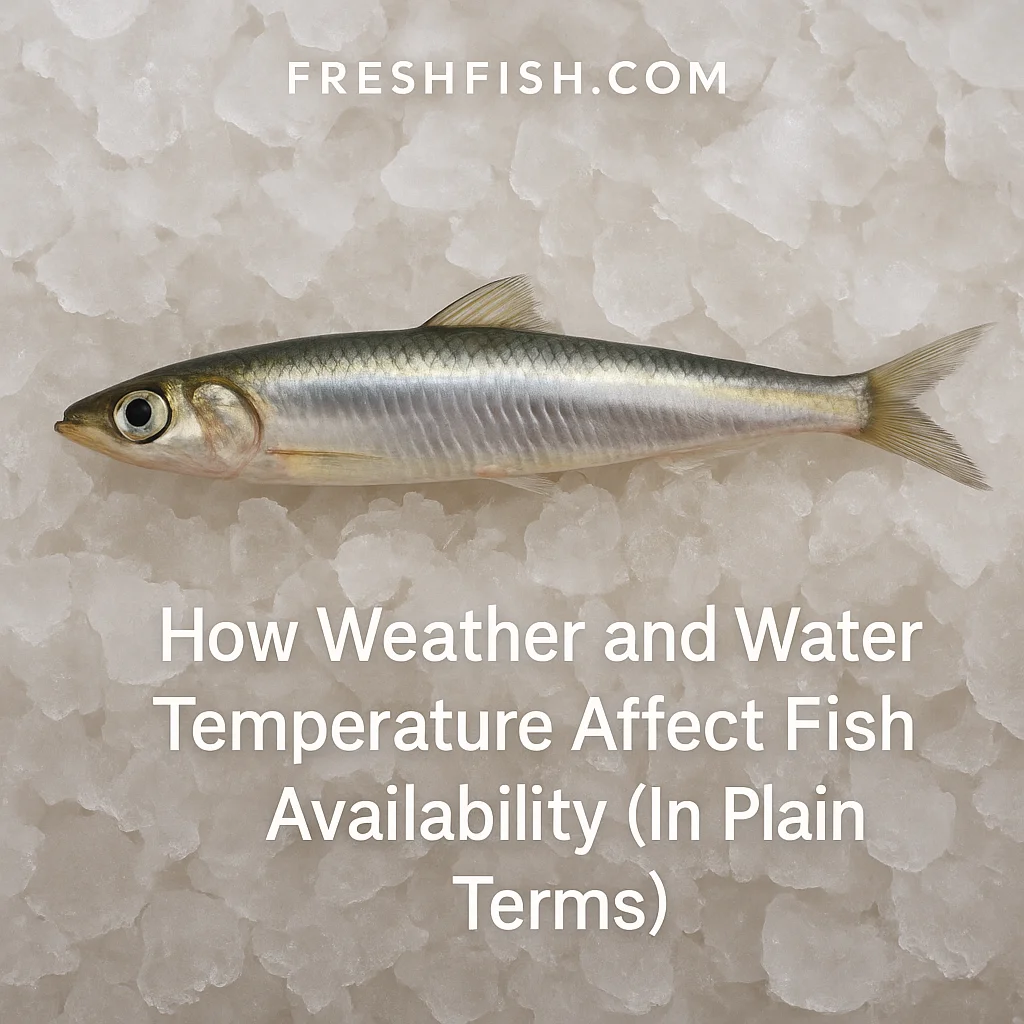
🐟 How Weather and Water Temperature Affect Fish Availability (In Plain Terms)
🧭 Quick Overview
In this guide, we explore how weather patterns and water temperatures impact the availability of fish. This understanding is crucial for seafood enthusiasts, culinary professionals, and even casual home cooks who want to better understand fish seasonality and how to get the freshest catches. Whether it's sourcing your next dinner or planning a sustainable fishing trip, these factors are key.
- Best for: Seafood lovers, chefs, and sustainable fishing advocates.
- Common problems solved: Finding fresh fish, understanding seasonal availability, and optimizing seafood choices.
- What you need: A basic interest in seafood and its sourcing.
🧠 Why This Matters
Knowing when and where various fish species are available can substantially impact your seafood experience. Freshness affects taste and texture, while understanding seasonal patterns can also help you find better prices. Additionally, being aware of availability can assist in making more sustainable seafood choices.
✅ Step-by-Step Method
Here’s a simple method to grasp the dynamics of fish availability in relation to weather and water temperature:
- Step 1: Understand common weather patterns in your area and their effects on fishing conditions.
- Step 2: Monitor water temperatures as they can dictate where fish migrate and their depth in the water column.
- Step 3: Use local fishing reports to stay updated on which species are currently in abundance.
- Step 4: Speak with local fishmongers or seafood vendors to gain insights on what’s freshest in-season.
- Step 5: Consider global fish availability by staying informed about how international weather patterns impact fishing fleets worldwide.
🧾 Checklist
Here’s a handy checklist to ensure you’re staying on top of fish availability:
- Check local and regional fishing reports regularly.
- Understand the seasonal migration patterns of popular fish species.
- Be aware of major climate events like El Niño or La Niña.
⚠️ Common Mistakes & Fixes
- Mistake: Ignoring weather forecasts when planning a seafood dish. Fix: Always check weather conditions in your fishing area.
- Mistake: Selecting fish based on habit rather than seasonal availability. Fix: Update your recipes and purchases according to what's freshest and most abundant.
- Mistake: Overlooking local varieties in favor of imported seafood. Fix: Explore locally available fish that may be fresher and more sustainable.
🌍 Variations by Fish Type
Different fish types respond uniquely to changes in weather and water temperature. Here are some distinctions:
- Oily fish: Such as salmon and mackerel, often migrate long distances and are sensitive to water temperature changes.
- Lean white fish: Cod and haddock typically prefer cooler waters and may become less abundant with rising temperatures.
- Thick steaks: Tuna and swordfish availability can be heavily influenced by deep water temperature changes.
- Thin fillets: Fish like sole and flounder may be more sensitive to immediate surface temperature changes and local weather impacts.
🧊 Storage & Leftovers
Proper storage is critical to maintaining the quality of your fish. Always refrigerate fresh fish at a temperature below 40°F and consume within two days. If freezing, ensure the fish is well-wrapped to prevent freezer burn. For leftovers, reheating should be done gently to avoid drying out the fish.
🛒 Buying Tips
Choosing the freshest fish involves recognizing freshness indicators such as clear eyes, vibrant scales, and a mild sea aroma. When in doubt, ask your fishmonger for the latest catch and always choose reputable vendors.
🧼 Safety Notes
Cross-contamination can be a concern when handling raw fish. Use separate utensils and cutting boards for raw and cooked seafood. Ensure internal temperatures reach at least 145°F before consumption and exercise caution, particularly with sushi-grade fish.
❓ FAQs
- Question: How can weather cause fish shortages? Answer: Extreme weather can make fishing conditions unsafe and impact fish migration, leading to temporary shortages.
- Question: Do water temperatures affect taste? Answer: Yes, water temperature can influence fat content, which affects the taste and texture of the fish.
- Question: Are some fish types more resilient to temperature changes? Answer: Yes, certain species like some oily fish can adapt more readily to temperature shifts than others.
📌 Summary
- Understanding weather and water temperature is crucial for predicting fish availability.
- Different fish types react differently to environmental changes.
- Staying informed can lead to better, more sustainable seafood choices.