🐟 Safe Storage Times: When to Toss Seafood (Fridge and Freezer Limits)
🧭 Quick Overview
This guide will help you understand the optimal storage times for seafood in both your fridge and freezer, so you can enjoy your meals safely and without waste. It's essential for anyone who buys and stores seafood regularly.
- Best for: Home cooks, seafood enthusiasts, and anyone who stores seafood at home.
- Common problems solved: How to avoid spoiled seafood, reduce waste, and maintain quality and safety.
- What you need: Knowledge of storage methods, appropriate containers, and reliable refrigeration or freezing equipment.
🧠 Why This Matters
Proper storage of seafood is crucial because it impacts taste, safety, and cost-effectiveness. Consuming seafood that has exceeded its safe storage time can lead to foodborne illnesses, and premature disposal contributes to food waste. Ensuring the right storage conditions helps maintain the desired texture and flavor.
✅ Step-by-Step Method
To safely store seafood, follow these essential steps:
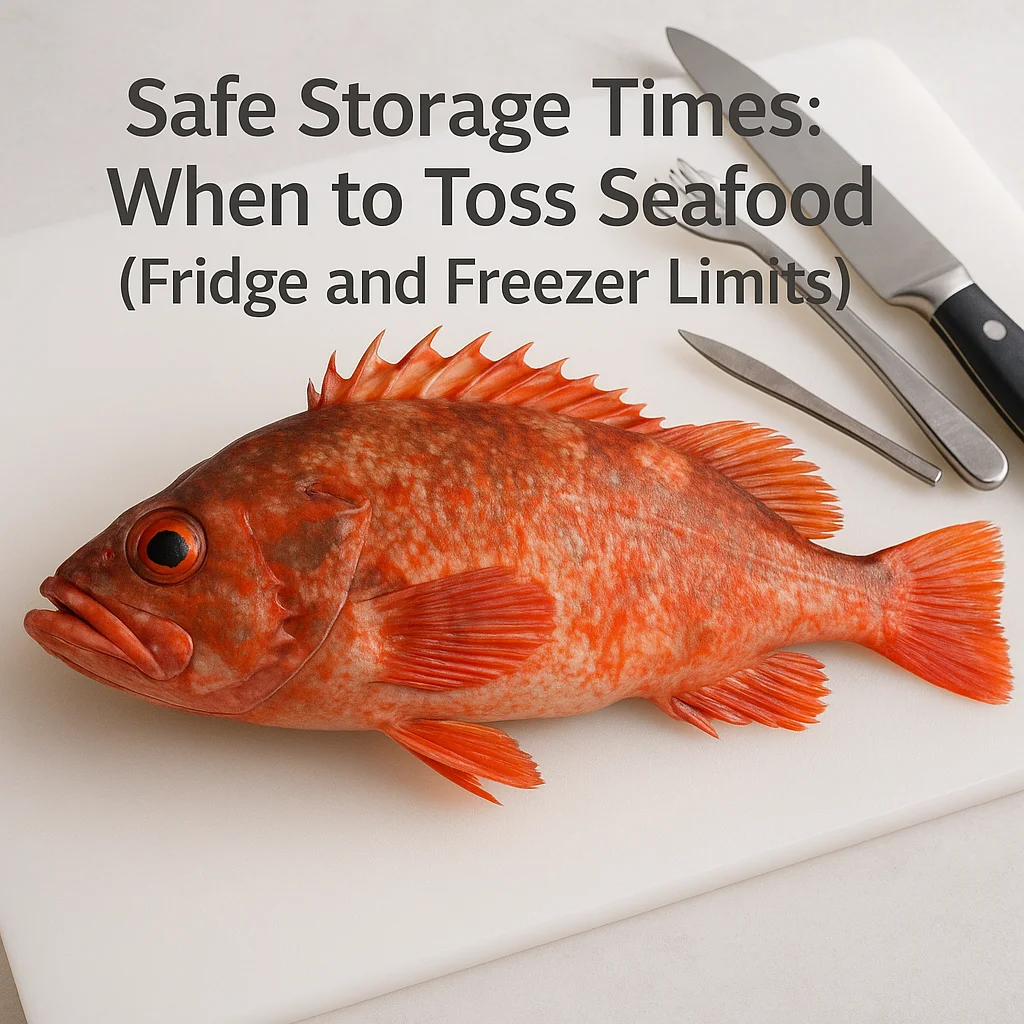
- Step 1: Assess the freshness of seafood upon purchase. Ensure it has a mild scent and shiny appearance with firm flesh. Whole fish should have clear eyes and red gills.
- Step 2: Store fresh seafood in the coldest part of your fridge, ideally at 32-38°F (0-3°C). Use airtight containers or wrap in plastic to minimize exposure to air.
- Step 3: For freezing, wrap seafood tightly in plastic wrap, aluminum foil, or freezer paper to prevent freezer burn. Label with the date before placing in the freezer.
- Step 4: Understand storage duration: Refrigerated seafood should generally be consumed within 1-2 days. Freezing allows for extended storage—typically up to three months for fatty fish and six months for lean species.
- Step 5: Regularly check seafood for signs of spoilage, such as off smells, discoloration, or slimy textures. When in doubt, it's safer to discard.
🧾 Checklist
Use this checklist to ensure your seafood is stored safely:
- Confirm seafood freshness upon purchase.
- Store promptly in the recommended temperature settings.
- Use airtight containers or wrap securely for refrigeration and freezing.
- Label frozen seafood with the date of storage.
- Regularly inspect for signs of spoilage.
⚠️ Common Mistakes & Fixes
- Mistake: Storing seafood in opened packages. Fix: Always repackage seafood in airtight containers or wraps.
- Mistake: Keeping seafood too long. Fix: Regularly monitor and stick to recommended storage times.
- Mistake: Ignoring temperature settings. Fix: Use a fridge thermometer to ensure consistent cold temperatures.
🌍 Variations by Fish Type
The guidance for storage can vary based on the type of fish:
- Oily fish: Such as salmon or mackerel, should be consumed or frozen shortly after purchase, as their higher fat content leads to quicker spoilage.
- Lean white fish: Such as cod or haddock, typically have a slightly longer fridge life but should still be used within 1-2 days.
- Thick steaks: May remain fresh for a bit longer than thin fillets due to their larger mass, but still follow general timeframes.
- Thin fillets: Due to their quick-cooking nature, these should be prioritized for consumption soon after purchase.
🧊 Storage & Leftovers
Seafood leftovers should be cooled rapidly and stored in airtight containers within 2 hours of cooking. Follow fridge and freezer storage guidelines as for fresh seafood, but plan to consume within shorter periods for optimal quality.
🛒 Buying Tips (if relevant)
When shopping for seafood, prioritize freshness. Look for bright, clear eyes in fish and a firm, shiny flesh. Avoid any products with a strong odor or a dry surface. Discerning shoppers will also consider sustainable sources and ethically caught seafood.
🧼 Safety Notes
Avoid cross-contamination by using separate cutting boards and utensils for seafood and other foods. Ensure seafood is cooked to an internal temperature of 145°F (63°C) or until it flakes easily with a fork. Remember the adage: if in doubt, throw it out.
❓ FAQs
- Question: Can seafood be refrozen? Answer: It's not recommended to refreeze thawed seafood, as it may compromise texture and safety.
- Question: How can you tell if frozen seafood is still good? Answer: Check for freezer burn, off smells, or a tough, dry texture. Discard if any of these signs are present.
- Question: What storage methods extend seafood shelf life? Answer: Vacuum sealing before freezing can significantly prolong quality by preventing air exposure.
📌 Summary
- Safe seafood storage in the fridge and freezer is key to maintaining quality and preventing illness.
- Understanding differences by fish type guides better storage decisions.
- Adhering to practical tips and guidelines promotes safe and enjoyable seafood meals.