🐟 Parasites in Fish: Practical Prevention for Home Cooks
🧭 Quick Overview
This article is designed to equip home cooks with essential knowledge to prevent and manage the risk of parasites in fish, ensuring a safe and enjoyable dining experience.
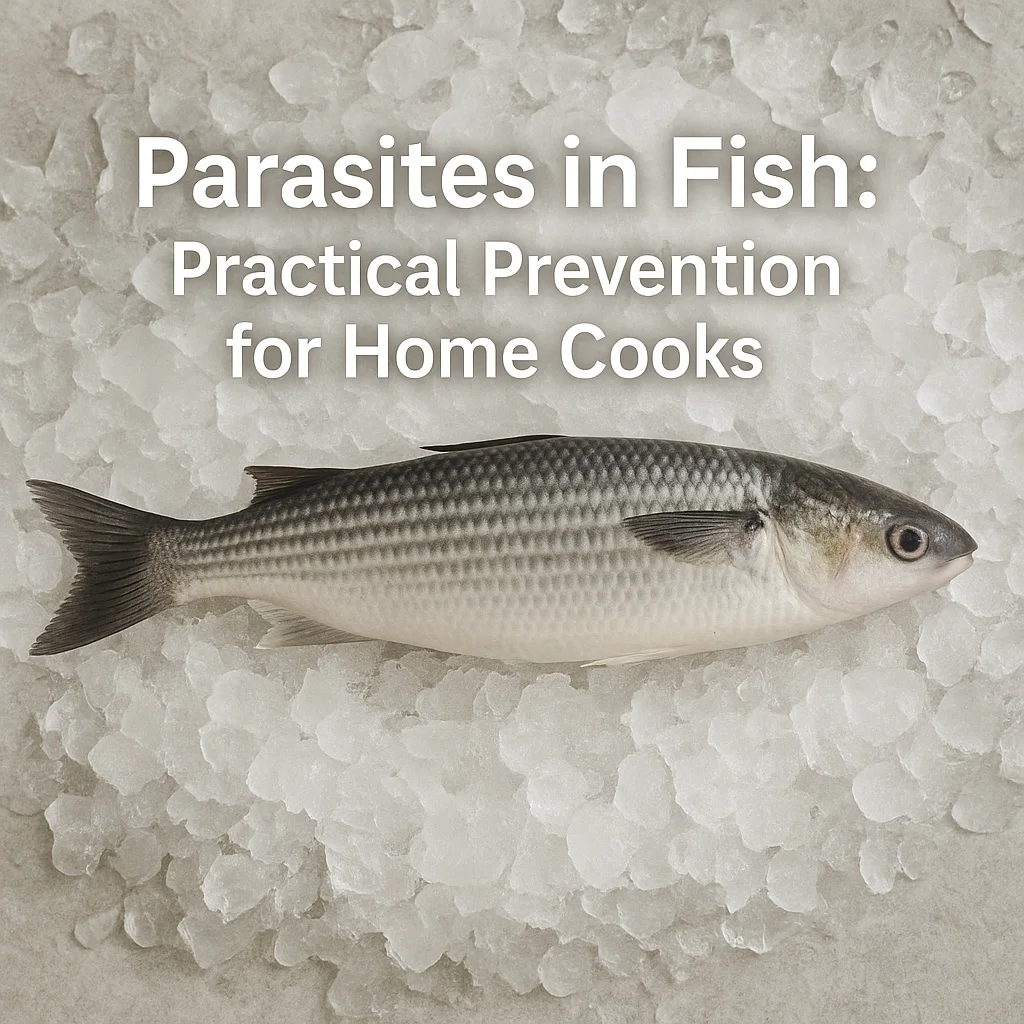
- Best for: Home cooks who prepare fish regularly.
- Common problems solved: Understanding parasite risks in fish and how to mitigate them.
- What you need: Basic kitchen tools, thermometer, access to information about the source of your fish.
🧠 Why This Matters
Understanding and preventing parasites in fish is crucial for maintaining food safety and ensuring a pleasant culinary experience. Proper handling and preparation can help eliminate risks, allowing you to enjoy your favorite seafood dishes with confidence.
✅ Step-by-Step Method
Follow these steps to reduce the risk of parasites in fish:
- Step 1: Buy fish from reputable sources. Ensure the fish are stored at appropriate temperatures upon purchase.
- Step 2: Always inspect fish for visible parasites, which may appear as small, white worms or cysts, before preparation.
- Step 3: Freeze fish appropriately before consumption. Freezing at -4°F (-20°C) for a minimum of 7 days generally kills parasites.
- Step 4: Cook fish thoroughly. A safe internal temperature of at least 145°F (63°C) typically ensures the elimination of parasites.
- Step 5: When in doubt, discard any fish that appears suspicious or does not meet safety criteria.
🧾 Checklist
Ensure fish safety with this checklist:
- Buy fish from known and trustworthy vendors.
- Visually inspect fish for any unusual markings or spots.
- Freeze fish before raw consumption to eliminate parasites.
- Confirm fish reaches recommended internal cooking temperatures.
- Monitor for proper hygiene and handling practices.
⚠️ Common Mistakes & Fixes
- Mistake: Skipping freezing for dishes like sushi. Fix: Freeze fish as per guidelines before using it raw.
- Mistake: Buying visually appealing but less fresh fish instead of focusing on safety. Fix: Prioritize freshness and source credibility over appearance.
- Mistake: Cooking fish unevenly or undercooking. Fix: Use a thermometer to check even and safe cooking throughout.
🌍 Variations by Fish Type
Different fish types require varied handling practices:
- Oily fish: Freeze longer due to their dense muscle and fat content which could harbor parasites longer.
- Lean white fish: Generally easier to inspect and prepare; quick to freeze and cook.
- Thick steaks: Cook thoroughly, considering their depth and density.
- Thin fillets: Fast cooking and freezing options; easier inspection for surface parasites.
🧊 Storage & Leftovers
Store fish at temperatures between 32-38°F (0-3°C) in the refrigerator and cook within two days. If not consuming immediately, freeze promptly. Leftovers should be cooled quickly and can be safely reheated to 165°F (74°C).
🛒 Buying Tips
When shopping for fish, look for bright, clear eyes and firm flesh. Fresh fish should have a clean ocean-like scent, and fillets should be moist without any discoloration. Avoid packages with excess liquid, which can signal improper storage.
🧼 Safety Notes
Avoid cross-contamination by using separate cutting boards and utensils. Always wash hands before and after handling raw fish. Be cautious when dining out and inquire about fish sourcing and preparation methods.
❓ FAQs
- Question: Can home freezing eliminate all parasites? Answer: Freezing can generally kill most parasites, but not all types, so always purchase from a reputable source.
- Question: Is farmed fish less risky for parasites? Answer: Farmed fish may have a lower risk due to controlled feeding practices, but precautions are still important.
- Question: How can I be sure of safe doneness when cooking fish? Answer: Use a food thermometer to confirm that internal temperatures reach at least 145°F (63°C).
📌 Summary
- Purchase fish from reliable, knowledgeable sources for quality assurance.
- Utilize freezing and thorough cooking to mitigate parasite risks.
- Practice stringent kitchen hygiene to prevent cross-contamination.