🐟 Handling Seafood Allergies at Home (Avoiding Cross-Contact in Shared Kitchens)
🧭 Quick Overview
In this guide, you'll learn effective methods to handle seafood allergies and prevent cross-contact in shared kitchens. This information is essential for families with mixed dietary needs and anyone passionate about maintaining a safe kitchen environment.
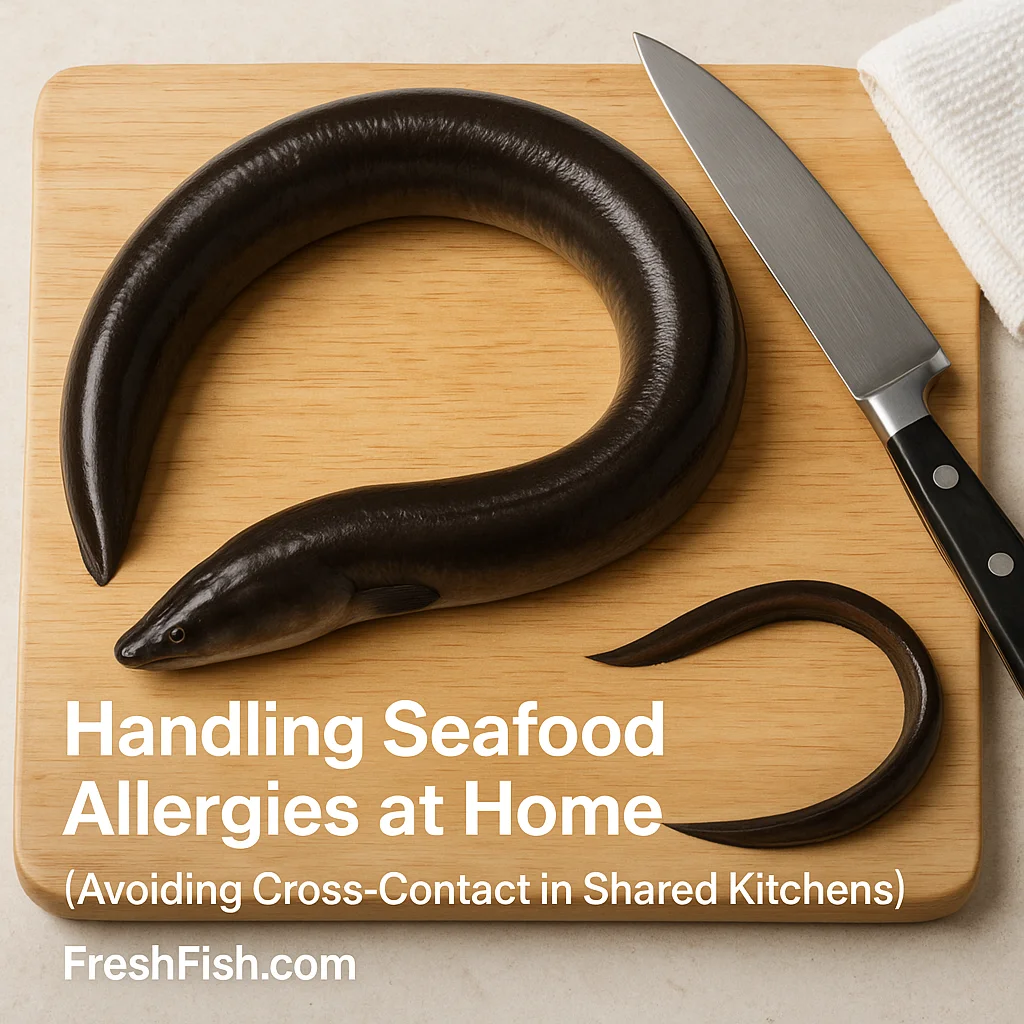
- Best for: Home cooks managing seafood allergies in family meals.
- Common problems solved: Cross-contact prevention and ensuring safe meal preparation.
- What you need: Basic kitchen tools, separate utensils, and cleaning supplies.
🧠 Why This Matters
Avoiding cross-contact is critical because even trace amounts of seafood can trigger allergic reactions. Maintaining a safe kitchen environment enhances health and promotes peace of mind within households.
✅ Step-by-Step Method
Follow these steps to minimize the risk of cross-contact in your kitchen:
- Step 1: Designate specific utensils and cookware exclusively for seafood-free cooking.
- Step 2: Store seafood separately, ideally in airtight containers to prevent cross-contact with other foods.
- Step 3: Clean surfaces and hands thoroughly with hot, soapy water after handling seafood.
- Step 4: Cook seafood and seafood-free dishes at different times, or in separate areas if possible.
- Step 5: Educate family members about the importance of following these safety measures diligently.
🧾 Checklist
Ensure thorough adherence by checking these items:
- Separate cutting boards for seafood and other ingredients
- Dedicated cutlery for allergen-free cooking
- Cleansing supplies easily accessible for immediate cleanup
⚠️ Common Mistakes & Fixes
- Mistake: Using the same sponge for all dishes. Fix: Have separate sponges for seafood and non-seafood cleaning.
- Mistake: Storing seafood above allergen-free foods. Fix: Store seafood on the bottom shelf to prevent drips onto other foods.
- Mistake: Forgetting to wash hands between tasks. Fix: Develop a routine of handwashing immediately after touching seafood.
🌍 Variations by Fish Type
The safety procedures can vary based on the type of fish being handled:
- Oily fish: Store carefully as they tend to have a stronger smell that may linger more.
- Lean white fish: Easier to clean up due to less oil residue.
- Thick steaks: Can take up more space, affecting kitchen cleanliness.
- Thin fillets: May cook faster and require a watchful eye to avoid cross-contact during cooking.
🧊 Storage & Leftovers
Seafood should be stored in airtight containers at safe refrigerator temperatures. Consumed within a day or two, leftovers should be reheated thoroughly to prevent bacterial growth.
🛒 Buying Tips
Purchase seafood from trusted suppliers. Ensure its freshness by checking for a mild scent, clear eyes, and tightly closed shells in shellfish.
🧼 Safety Notes
Avoid cross-contamination by keeping raw and cooked seafood separate. When unsure of doneness, seafood should generally reach an internal temperature of 145°F (63°C).
❓ FAQs
- Question: Can cross-contact occur with kitchen appliances? Answer: Yes, always clean appliances thoroughly after use.
- Question: Is it necessary to label utensils? Answer: Labeling can help ensure correct usage, minimizing risk.
- Question: Can I use the same cutting board if I clean it well? Answer: It's better to have separate ones to ensure absolute safety.
📌 Summary
- Prevent cross-contact by maintaining separate utensils and cookware.
- Clean surfaces and hands thoroughly after handling seafood.
- Store seafood securely and use trusted suppliers for buying fresh products.