🐟 Sea Snail
The Sea Snail, also known colloquially as marine gastropods, is a diverse group of mollusks found in oceans worldwide. Frequently consumed in various cuisines, these creatures are prized for their unique taste and versatile cooking applications. People enjoy sea snails for their chewy texture and the subtle ocean flavor they impart in dishes. Offering myriad possibilities in culinary adventures, sea snails often feature in Mediterranean, Asian, and coastal European dishes.
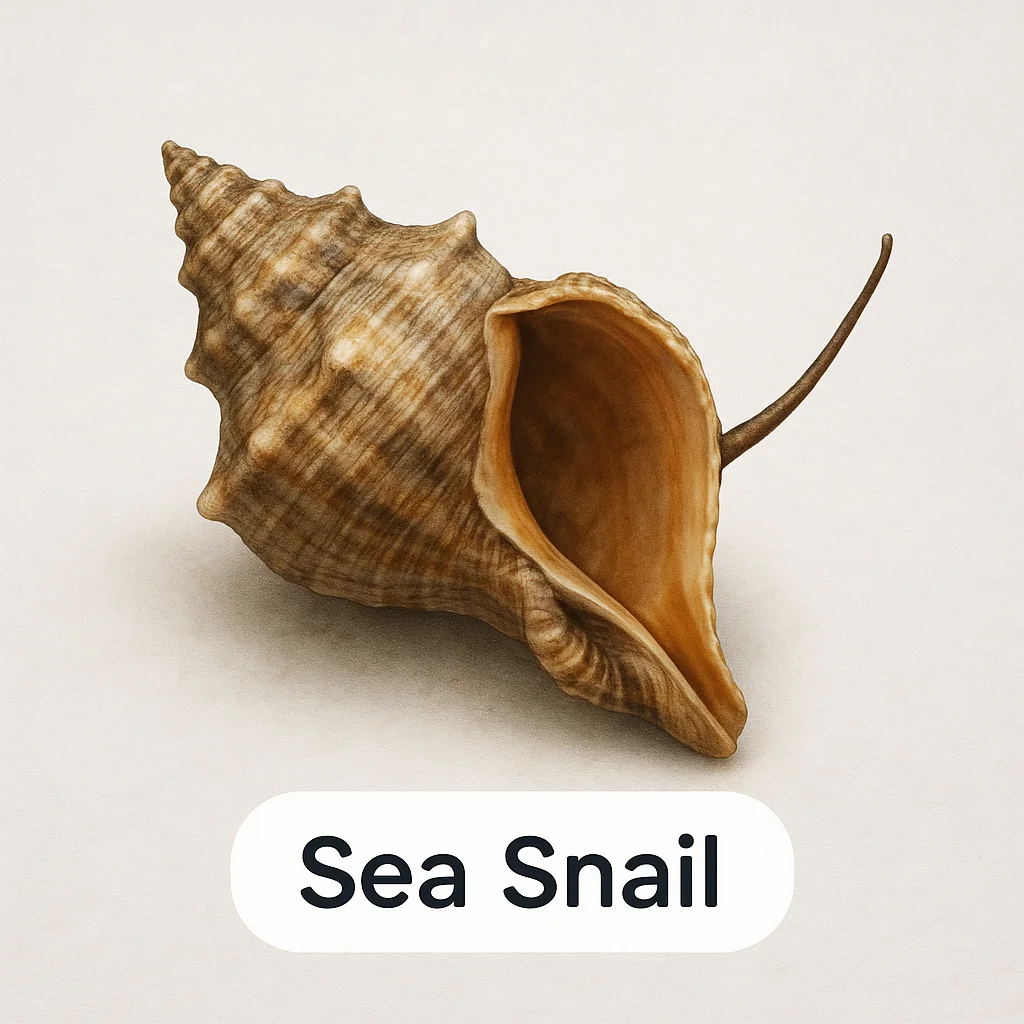
Sea Snails can be confused with other types of marine life, such as periwinkles or whelks. Understanding their characteristics can help distinguish them from these similar species. Their intriguing appearance, with shells that vary from spiral-shaped to conical, also makes them an interesting subject of study and an attractive seafood choice for those willing to explore beyond the usual offerings.
🐠 Taste & Texture
Sea snails boast a distinctive taste that's both mild and refreshingly briny. They are neither excessively oily nor dry, offering a lean and firm texture that yields a slight chewiness. This combination can appeal to those seeking an alternative to more common seafood textures. When fresh, sea snails have a light, clean ocean aroma.
- Flavor intensity: Mild and briny
- Texture: Chewy and firm
- Fresh aroma: Clean with oceanic notes
- Fat content: Lean
🌊 Origin & Habitat
Sea snails are found in various marine environments, thriving in both coastal waters and deep-sea habitats. While some species prefer rocky shorelines, others inhabit sandy or muddy seabeds. Generally sourced from the wild, sea snails are less commonly farmed, maintaining their natural taste and texture. Regions noted for harvesting sea snails include parts of the Mediterranean, the coasts of Japan, and certain coastal European areas, making them popular in these local cuisines.
📅 Best Season
Seasonality for sea snails varies greatly by region, largely due to differing water temperatures and local environmental conditions. Typically, sea snails are more abundant during the cooler months when the waters are at their coldest, which tends to enhance their texture and flavor. Checking with local market suppliers can provide insights into the best seasonal availability in specific areas.
🔪 Preparation
Preparing sea snails for cooking involves cleaning them thoroughly to ensure the removal of sand or other debris. Here are some basic steps to get started:
- Rinse sea snails under cold running water to remove surface grit.
- Use a small brush to scrub the shells gently if needed.
- Soak in salted water for several hours to remove any additional sand.
- Cook in boiling water briefly to easily extract the meat.
For odor control, soaking the snails in a light saltwater solution before cooking can help reduce any unwanted fishy smells, resulting in a cleaner taste and aroma.
❄️ Storage Tips
Proper storage of sea snails is crucial to maintain their fresh taste and texture. Here are some practical tips:
- Do store sea snails in the fridge for no more than two days.
- Don't keep them tightly sealed in plastic, as they need some airflow.
- Do store them on a bed of ice or in a bowl covered with a damp cloth.
- Don't freeze unless absolutely necessary; if freezing, remove from the shell and pack in airtight bags, removing as much air as possible to prevent freezer burn.
Thaw frozen sea snails gradually in the fridge to maintain their texture.
🍽️ Popular Dishes
Sea snails adapt well to a variety of cooking methods, allowing them to be featured in numerous dishes. Here are some popular ways to enjoy them:
- Grilled Sea Snails: Grilled over high heat until slightly charred, enhancing their innate brininess.
- Pan-Seared Snails: A quick sear in a hot pan with garlic and olive oil, bringing out their chewy texture.
- Sea Snail Stew: Cooked slow and low with tomatoes and spices, perfect for cold days.
- Snail Fritters: Snail meat battered and fried until crispy, offering a delightful contrast of textures.
- Steamed Sea Snails: Gently steamed to keep them tender and enhance their subtle flavor.
- Ceviche-Style Snails: Marinated in citrus juices, though best approached with caution, ensuring high freshness standards to mitigate food safety risks.
🥗 Nutritional Benefits
Sea snails are a nutritious addition to any diet, offering a range of essential nutrients while being relatively low in calories. They make a great source of lean protein and provide vital vitamins and minerals.
- High in protein
- Contains omega-3 fatty acids
- Rich in iron and potassium
- Low in fat and calories
⚠️ Who Should Eat & Caution
Sea snails, like other shellfish, can trigger allergic reactions in sensitive individuals, necessitating caution during consumption. In addition, cross-contact in kitchens is a potential concern for those with allergies, requiring measures to prevent exposure.
While sea snails generally have lower mercury levels compared to larger fish, pregnant individuals and young children should consume them in moderation. When consuming raw or undercooked sea snails, it's essential to ensure they are sourced from reputable suppliers to minimize the risk of parasites.
📌 Summary
Sea snails offer a unique culinary experience with their subtle taste and chewy texture. Versatile in culinary use, they can be grilled, steamed, or incorporated into stews, making them a cherished component of various international dishes. Ensuring proper cleaning and storage practices allows sea snails to remain a delicious and safe seafood choice.
- Taste: Mild with a hint of brininess
- Preparation: Requires thorough cleaning and soaking
- Storage: Best consumed fresh; handle with care when freezing
Whether you're new to seafood or an experienced culinary explorer, sea snails offer exciting possibilities for diversifying your seafood repertoire.