🐟 Giant Pacific Octopus
The Giant Pacific Octopus is a fascinating marine creature known for its incredible size, intelligence, and unique culinary appeal. Found in the chilly waters of the North Pacific, this octopus species is an intriguing blend of mystery and brilliance. Commonly sought by seafood enthusiasts, it is appreciated for its tender texture and mild flavor, making it a versatile ingredient in diverse culinary traditions. Whether grilled, boiled, or transformed into sushi, the Giant Pacific Octopus often finds its way onto the plates of discerning diners worldwide.
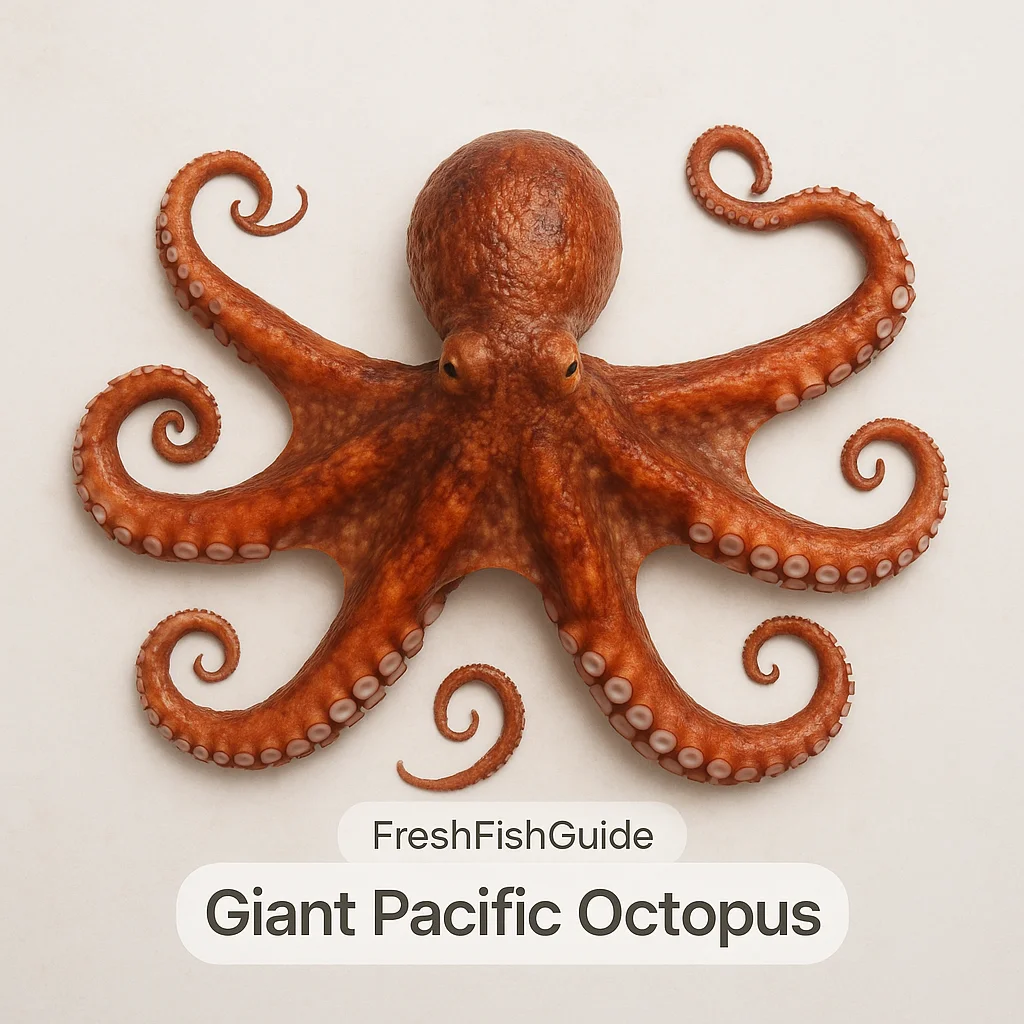
The consumption of this octopus can offer an exciting seafood experience for those who appreciate its unique characteristics. Its tender yet firm texture makes it suitable for a variety of cooking methods, from quick searing to slow braising. Known to sailors as the "sea monster" due to its ability to grow to enormous sizes, the Giant Pacific Octopus remains a distinguished choice for adventurous eaters and seafood experts alike.
For those interested in exploring new and exquisite seafood, understanding the Giant Pacific Octopus's distinct qualities and preparation techniques can lead to a rewarding culinary journey. Let's dive deeper into what makes this remarkable cephalopod a sought-after seafood delicacy.
🐠 Taste & Texture
The taste of the Giant Pacific Octopus is often characterized by its subtle sweetness and mild oceanic flavor. Unlike other seafood items, it lacks an overpowering fishy taste, making it a great option for newcomers to seafood delicacies. The texture is smooth and tender yet firm, offering a satisfying bite without being rubbery, provided it is cooked correctly. When fresh, it has a clean, light aroma reminiscent of the sea.
- Mildly sweet with a subtle ocean flavor
- Tender yet firm texture
- Clean and light aroma when fresh
🌊 Origin & Habitat
The Giant Pacific Octopus is native to the North Pacific Ocean, with a habitat that spans from the coastal waters of Japan, the Aleutian Islands, along the Alaskan coast, and down to California. It thrives in cold, deep waters and prefers habitats rich with rocky crevices where it can hunt and hide from predators.
As a wild species, it is typically caught in its natural environment, thus retaining its authentic texture and flavor distinct from farm-raised seafood. The availability of this octopus is strongly linked to the sustainable fishing practices and regional regulations where it is sourced.
📅 Best Season
The seasonality of the Giant Pacific Octopus varies depending on the region. In general, it is considered best caught during the winter months when its flavor is believed to be at its peak. During this time, the octopus accumulates more fat reserves, which can enhance its texture and flavor. However, its exact season can vary by region due to local regulations and environmental factors, so it's recommended to consult local fishmongers for the freshest catch.
🔪 Preparation
Preparing the Giant Pacific Octopus involves several key steps to ensure it is ready for cooking. Proper cleaning is essential, starting with removing the eyes and beak. The skin is often retained for cooking as it is edible, though some choose to peel it for a smoother texture. Tenderizing the meat, often with a gentle massage or slight physical pressure, helps ensure optimal texture.
- Rinse thoroughly to remove sand and impurities
- Remove eyes and beak
- Tenderize by gently massaging or using light pressure
- Optional: Peel skin for a smoother texture
To manage odor, soaking the octopus in milk or a saltwater solution can help neutralize any strong sea smells. A quick rinse will then ensure a fresh preparation environment.
❄️ Storage Tips
Proper storage of the Giant Pacific Octopus is vital to maintain its quality. In the refrigerator, it should be consumed within two days to ensure optimal freshness. For longer storage, freezing is recommended.
- Refrigerate in an airtight container and consume within two days
- Portion before freezing; use vacuum sealing to avoid air exposure
- Prevent freezer burn by ensuring a tight seal
- Thaw gently in the refrigerator overnight before cooking
🍽️ Popular Dishes
The Giant Pacific Octopus is celebrated in numerous culinary applications across the globe, offering versatility for creative cooking. Some popular dishes include:
- Grilled Octopus: A high-heat cooking method that enhances the natural flavors with a charred exterior.
- Octopus Carpaccio: Thinly sliced raw octopus, served with olive oil and lemon. Caution: Ensure sashimi-grade quality to mitigate health risks.
- Takoyaki: A Japanese street food favorite, consisting of octopus-filled batter cooked in specially-shaped molds.
- Octopus Stew: Slow-cooked in a rich broth, often with vegetables and herbs, highlighting its tender textures.
- Fried Octopus: Coated and fried to crispy perfection, making it a flavorful snack or appetizer.
- Octopus Ceviche: Marinated in citrus juices; again, ensure proper sourcing for safety.
🥗 Nutritional Benefits
The Giant Pacific Octopus is not only a delicacy but also a nutritious choice, rich in essential nutrients that support overall health. It is packed with high-quality protein and low in fat, making it a lean seafood option. Additionally, it provides a range of vitamins and minerals beneficial for health.
- High in protein for muscle maintenance
- Contains vitamins B12, selenium, and iron
- A source of omega-3 fatty acids supporting heart health
⚠️ Who Should Eat & Caution
While the Giant Pacific Octopus offers many nutritional benefits, careful consideration is advised for those with allergies. As a shellfish, it can trigger allergic reactions in some individuals, particularly those with existing shellfish allergies. Additionally, while mercury levels are generally low, moderate consumption is advised, especially for pregnant individuals and young children.
When consuming raw or undercooked octopus, ensure it is sourced from reputable suppliers to mitigate the risk of parasites. Safe handling practices, including thorough washing, separate cutting boards, and careful cooking to appropriate temperatures, are essential.
📌 Summary
The Giant Pacific Octopus is a unique seafood delicacy, known for its tender texture and mild flavor. It allows for culinary flexibility and integrates well into various cuisines from around the world. To enjoy its best qualities, attention to proper storage and cooking techniques is essential. Whether grilled, stewed, or served raw, this marine marvel continues to captivate seafood enthusiasts everywhere.
- Chef's choice for mild, tender seafood dishes
- Versatile in cooking method applications
- Best enjoyed when fresh and sustainably sourced