🐟 Conch
Conch is a type of marine mollusk widely recognized for its beautiful spiral shells and delectable meat. Often referred to by various names including queen conch or pink conch, this seafood is enjoyed for its distinct flavor and chewy texture. As a part of shellfish, conch is enjoyed worldwide in numerous culinary traditions, especially in tropical and subtropical regions. Its versatility in cooking—from salads to fritters—makes it a favorite among seafood enthusiasts.
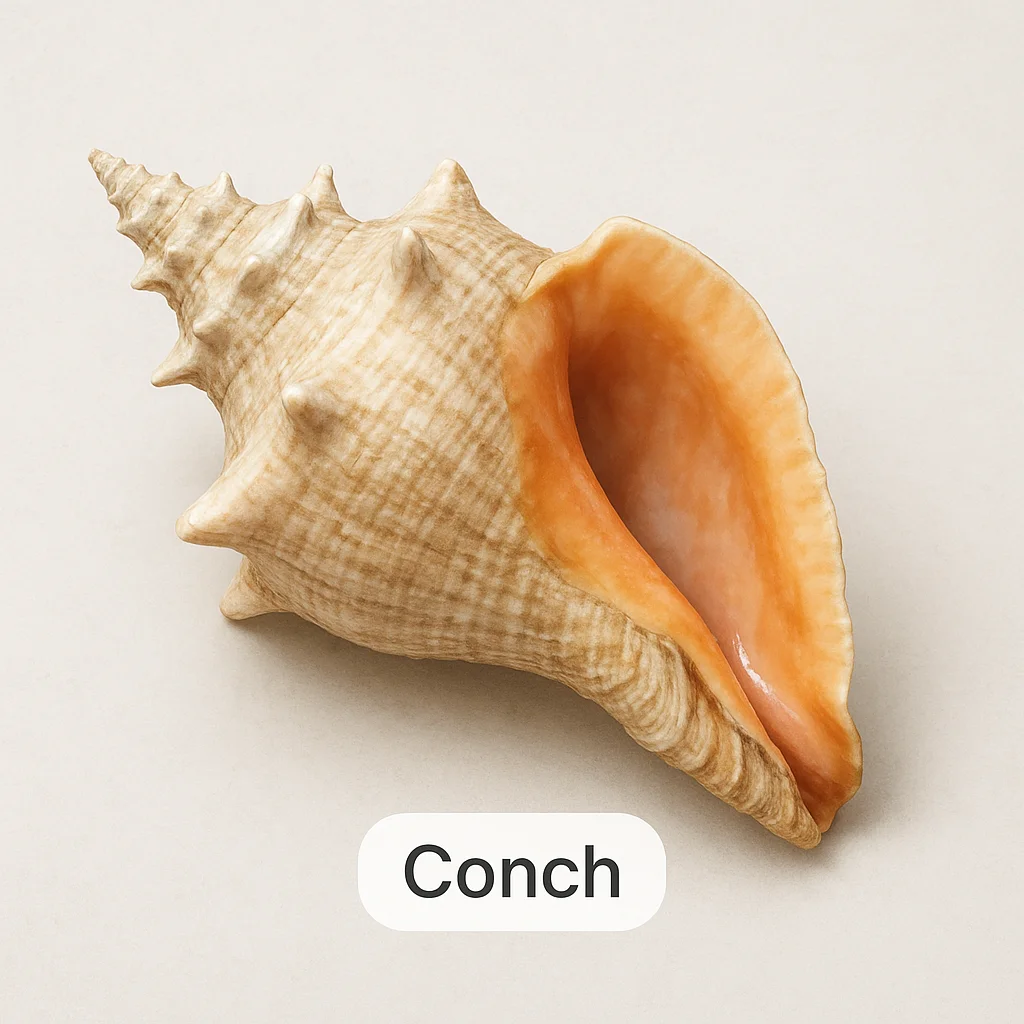
Conch meat is celebrated in cuisines for its savory appeal and is considered a delicacy in many cultures. People eat conch to enjoy its tender flesh that can be prepared in diverse ways, maintaining a balance of flavor and texture. As with other shellfish, it may offer nutritional benefits owing to its protein content, making it a preferred choice for those looking to include seafood in their diet.
🐠 Taste & Texture
Conch offers a unique flavor profile that is medium-intense with a slightly sweet and salty taste. The meat is lean rather than oily, providing a chewy, yet tender mouthfeel reminiscent of calamari when cooked properly. Fresh conch from the shell should have a clean, marine scent, devoid of any strong or off-putting odors. Its flake size and texture tend to remain firm, which allows it to hold up well in various cooking methods.
- Flavor: Medium-intense, slightly sweet, and salty
- Texture: Chewy yet tender, lean meat
- Smell: Mild, marine fragrance when fresh
🌊 Origin & Habitat
Conch primarily thrives in shallow, warm, coastal waters, often found near coral reefs and seagrass beds. While it can be found in tropical and subtropical regions around the world, the Caribbean and parts of Southeast Asia are major locations for its harvest. Wild conch is generally preferred for culinary use, as its natural diet in the wild contributes to a desirable flavor and texture.
Farmed conch exists but is less common due to the specific habitat requirements necessary for its growth. Consequently, the availability can vary, with wild-caught conches offering a slightly sweeter and firmer meat.
📅 Best Season
The seasonality of conch can be unpredictable, heavily influenced by regional fishing regulations and conservation measures. In the Caribbean, the peak season often coincides with the summer months when the waters are warm, and the conch is most active, leading to a potentially richer flavor and firmer texture. However, since these factors vary widely, it's essential to consult local sources for the most accurate seasonal guidance.
🔪 Preparation
Preparing conch involves several key steps to ensure cleanliness and safety. First, thoroughly rinse the shell to remove any debris. Once done, extract the meat by carefully breaking the shell using appropriate tools. The meat should then be cleaned, removing any slime or non-edible parts. For a more tender result, conch can be tenderized using a mallet.
- Rinse the shell to remove debris
- Extract the meat safely from the shell
- Clean and trim away non-edible parts
- Optional: Tenderize the meat using a mallet
To address any lingering odor, soaking conch in milk or a salt solution briefly before cooking can help neutralize any overpowering smell. However, a quick rinse under cold water is often sufficient for fresh conch.
❄️ Storage Tips
Proper storage of conch is crucial to maintaining its quality and safety. Fresh conch should be refrigerated and consumed within two days, while keeping it on ice can extend its freshness for a short period. Ensure the conch is tightly wrapped to avoid any cross-contamination.
For longer storage, freezing is an option. Before freezing, portion the conch meat and remove as much air as possible from the storage bags to prevent freezer burn. Conch can be safely thawed overnight in the refrigerator.
- Do: Keep conch on ice or in the fridge for short-term storage
- Do: Portion and tightly wrap before freezing
- Don't: Leave conch at room temperature for extended periods
- Don't: Refreeze thawed conch
🍽️ Popular Dishes
Conch is a versatile ingredient found in many global dishes, celebrated for its ability to absorb flavors and retain its texture upon cooking. Here are some popular conch dishes enjoyed worldwide:
- Conch Fritters: Deep-fried balls of seasoned conch meat mixed with herbs, offering a crispy exterior and tender center.
- Grilled Conch: Grilled over high heat and typically marinated, bringing out the flavors while maintaining a chewy texture.
- Conch Chowder: A hearty stew combining conch, vegetables, and herbs in a savory broth, often enjoyed in the Bahamas.
- Conch Salad: A fresh, citrusy preparation with diced conch, lime juice, and vegetables, highlighting the natural sweetness of the meat.
- Conch Curry: A flavorful dish simmered gently in a spicy, aromatic sauce, popular in Caribbean cuisines.
- Conch Ceviche: A raw preparation "cooked" in acidic lime or lemon juice, with careful sourcing to avoid food safety risks.
🥗 Nutritional Benefits
Conch is not only appreciated for its taste but also for its nutritional value. It is a source of lean protein, supporting muscle maintenance and repair. Additionally, conch contains essential vitamins and minerals that contribute to overall health.
- High in lean protein
- Contains essential vitamins such as B12
- Rich in minerals like selenium and zinc
⚠️ Who Should Eat & Caution
While conch is a delectable treat for many, precautions should be taken for specific individuals. As with other shellfish, allergies to shellfish can present serious health concerns, so those with known allergies should avoid consumption. Additionally, mercury content in seafood may be a consideration for pregnant individuals and children, and it is advised to consume in moderation.
If choosing to consume raw or undercooked conch, ensure that it has been sourced from reputable suppliers. Handle all raw shellfish with care to prevent cross-contamination in the kitchen, and practice safe cooking methods to eliminate potential foodborne pathogens.
📌 Summary
Conch, with its unique flavor and texture, is a prized ingredient in many culinary cultures. From its sweet, salty undertones to its firm, chewy bite, conch can elevate a dish, be it grilled, fried, or simmered in an aromatic sauce. Its proper preparation and storage, coupled with cautious consumption guidance, ensure this seafood remains a delightful addition to diverse diets.
- Recognizable for its sweet and salty flavor
- Sought after for its chewy, tender texture
- Highly versatile in numerous global dishes