🐟 Cockle
Cockles are small, edible bivalves that are found in the sandy to muddy substrates of coastal waters worldwide. Often confused with clams, cockles are valued for their sweet, mild flavor and distinctive ribbed shells. They are enjoyed as a delicacy in various culinary traditions and appreciated for their versatile nature, being suitable for a range of dishes from simple steamed preparations to elaborate seafood stews.
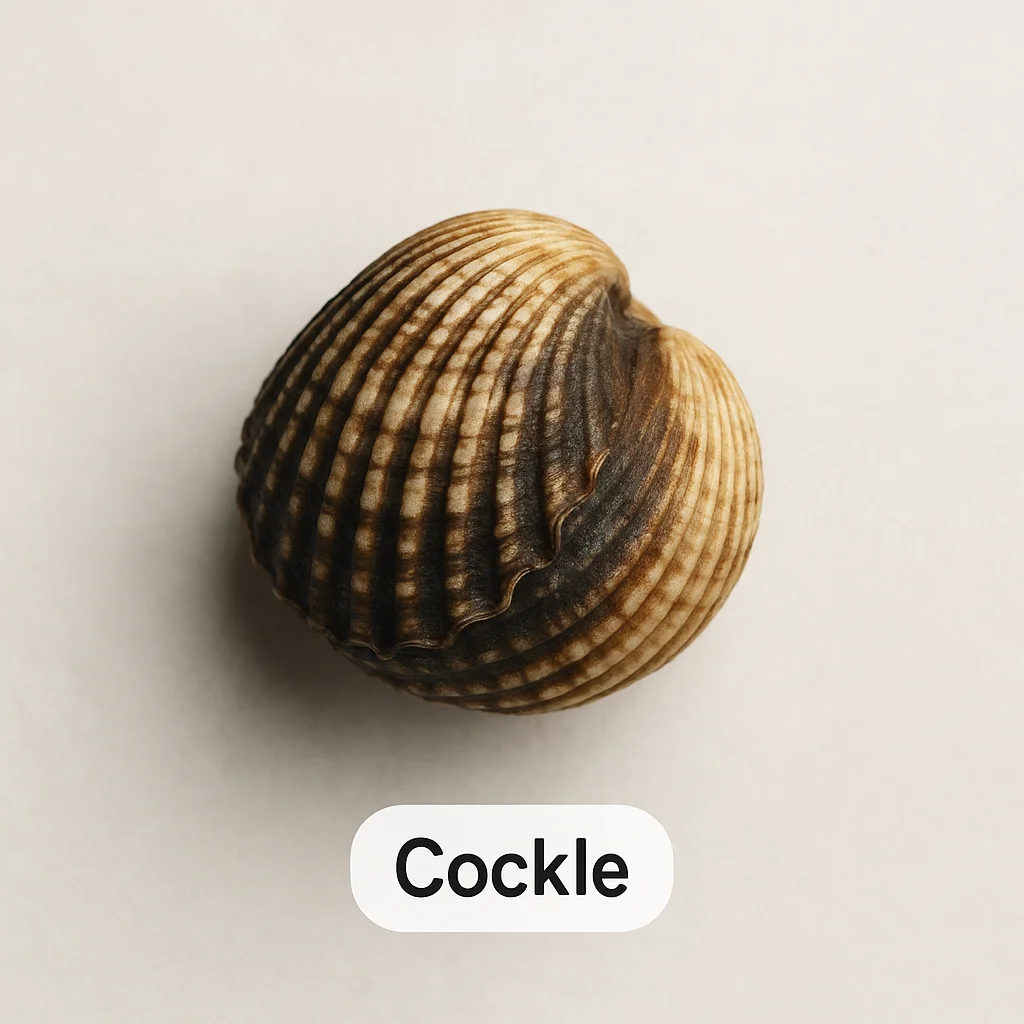
People eat cockles for their pleasant taste and easy preparation. Known for their slightly salty and tangy flavor, cockles can often be found in seafood markets and grocery stores, particularly in regions where shellfish is a dietary staple. Many choose cockles because they are easy to cook and can adapt to numerous recipes, making them a favored ingredient in both home kitchens and fine dining establishments.
🐠 Taste & Texture
The taste of cockles is known for being moderately sweet with a hint of oceanic saltiness, giving it a clean and fresh profile. They have a firm texture, which provides a pleasant chewiness without being tough. Fresh cockles have a faint, briny smell reminiscent of ocean air, indicating their freshness.
- Flavor Intensity: Mild
- Sweetness: Medium
- Saltiness: Low to moderate
- Mouthfeel: Firm and chewy
- Smell when fresh: Briny ocean scent
🌊 Origin & Habitat
Cockles inhabit coastal marine environments with sandy or muddy floors, which offer them a rich source of plankton and detritus for feeding. They are found predominantly in the shallow waters of intertidal zones. Wild cockles are harvested in these coastal areas worldwide, with significant populations in Europe, Asia, and coastal America. Some regions have also established cockle farming to meet demand, with farmed cockles offering a more consistent size and texture than their wild counterparts.
📅 Best Season
The availability of cockles varies significantly depending on the region. Generally, cockles are considered to be at their best during cooler months, when their flavor and texture are often at their peak due to lower water temperatures. However, since seasonality can vary, it is advisable to always check local fishing guidelines and availability.
🔪 Preparation
Preparing cockles for cooking involves a few straightforward steps to ensure they are clean and ready for cooking. Begin by rinsing the cockles under fresh running water to remove any sand and grit. If purchasing live cockles, discard any with shells that remain open after a gentle tap, as they are likely not fresh.
- Rinse under cold water to remove sand
- Discard cockles with open shells after tapping
- Optionally soak in salt water to help purge sand
- Inspect for broken shells and remove them
To control any strong oceanic odor, cockles can be soaked briefly in a mixture of salt and water, or quickly rinsed in cold water before cooking. This can help ensure a pure and delicious taste in the final dish.
❄️ Storage Tips
Cockles are best consumed fresh but, if necessary, they can be stored in the refrigerator for up to 2 days in a breathable bag or container. For longer storage, they can be frozen. Clean them thoroughly, place them in airtight bags, and remove any excess air before sealing to prevent freezer burn. Always thaw frozen cockles in the refrigerator or under cold water before use.
- Do: Store in a breathable container in the fridge for up to 2 days
- Do: Freeze in airtight bags to prevent freezer burn
- Don't: Store near strong-smelling foods
- Don't: Keep at room temperature for long periods
🍽️ Popular Dishes
Cockles are a versatile ingredient that can be prepared in a multitude of ways across different cuisines. Here are some popular dishes featuring cockles:
- Grilled Cockles: Cooked over high heat and served with a garlic butter sauce
- Steamed Cockles: Gently cooked with white wine and herbs, highlighting their natural sweetness
- Cockle Soup: A comforting dish incorporating cockles in a rich broth
- Stir-fried Cockles: Quickly cooked with vegetables and spices, offering a flavorful Asian twist
- Cockle Pasta: Combined with spaghetti and a light sauce for a balanced meal
- Cockle Ceviche: Prepared with caution using fresh citrus to "cook" the cockles for a refreshing starter
🥗 Nutritional Benefits
Cockles are an excellent source of nutrition, providing essential nutrients beneficial to a healthy diet. They are high in protein and low in fat, making them a lean choice for many dietary plans. Additionally, cockles offer a good source of vitamins and minerals such as iron and vitamin B12.
- High in protein
- Low in fat
- Good source of vitamin B12
- Contains iron and other essential minerals
⚠️ Who Should Eat & Caution
While cockles can be a healthy part of a balanced diet, it's important to be aware of certain risks. Those with shellfish allergies should avoid cockles due to potential allergic reactions. Pregnant individuals, young children, and nursing mothers should consume cockles in moderation to minimize any mercury exposure, though cockles tend to have lower levels compared to larger fish species. Raw preparations like ceviche should be approached with caution, ensuring the seafood is fresh and properly sourced to reduce the risk of foodborne illnesses.
📌 Summary
Cockles are a flavorful and nutritious shellfish that can be enjoyed in various culinary styles. Their sweet, briny taste and firm texture make them a favorite ingredient across many global cuisines. With effective storage and preparation techniques, cockles can be safely included in a range of dishes.
- Cockles offer a sweet, mild, and oceanic flavor
- Versatile in cooking, suitable for grilling, steaming, or stir-frying
- Nutritious, providing high protein and essential vitamins and minerals
- Responsible sourcing and proper handling are key for safe consumption