🐟 Clam
Clams are a popular type of shellfish known for their sweet and slightly salty flavor profile. Belonging to the bivalve mollusk family, clams are enjoyed worldwide in both raw and cooked forms, making them a versatile choice for seafood lovers. As they come encased in hard shells, clams are often boiled, steamed, or added to soups and stews to enhance their flavors. They are an excellent source of protein and essential nutrients, appealing to those seeking a nutrient-rich seafood option.
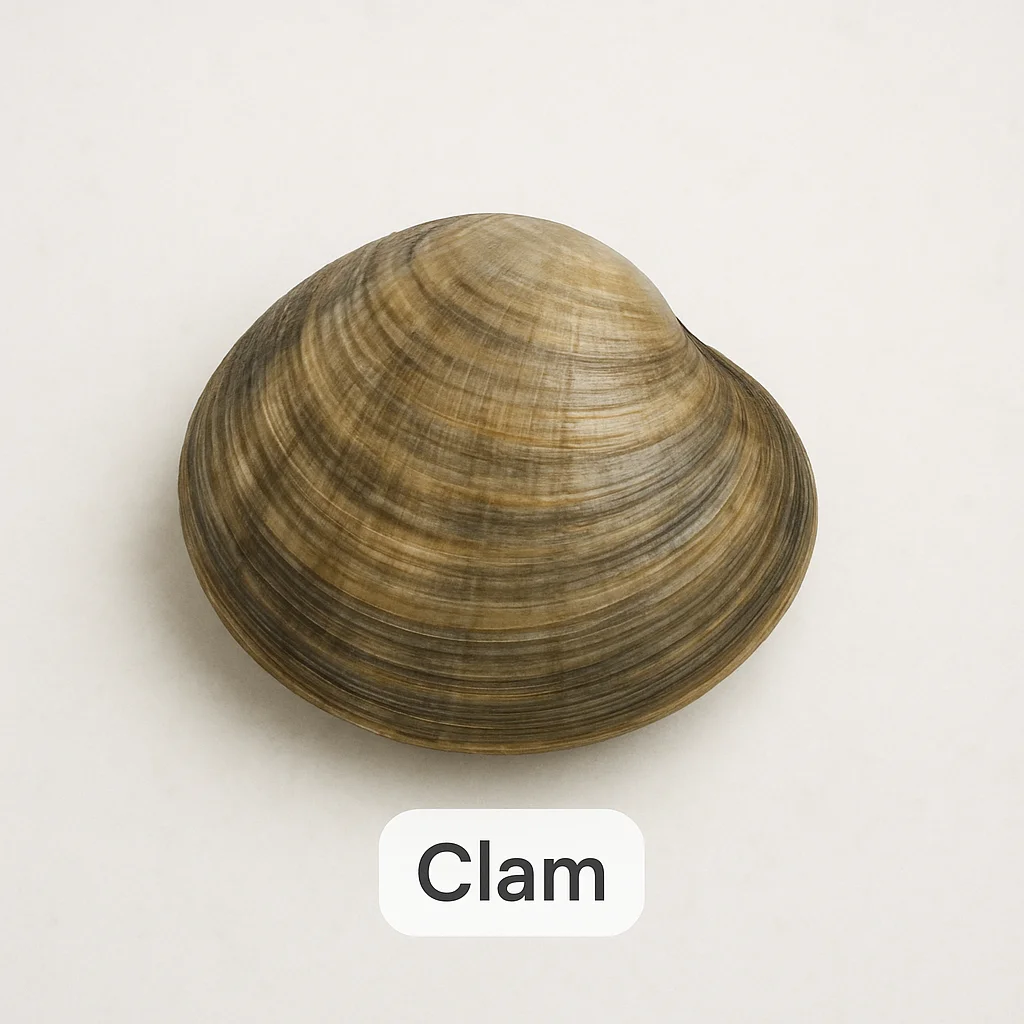
Clams may vary in size and shape, and while they are widely consumed, they are known by different names depending on the region. Common varieties include littleneck, cherrystone, and quahog, each offering a unique taste experience. This guide explores the distinct characteristics of clams, offering insights into their taste, preparation, and more, helping you make the most of this delightful seafood.
🐠 Taste & Texture
Clams offer a delicate and mildly sweet flavor with a briny undertone, reminiscent of the ocean. They are typically lean rather than oily, providing a firm but tender mouthfeel. Fresh clams lack any overpowering fishy smell and instead have a clean oceanic scent. When cooked, they maintain a chewy texture, adding a pleasing bite to various dishes.
- Quick taste profile:
- Delicate sweetness
- Salty, oceanic flavor
- Firm and chewy texture
- Clean, fresh scent when raw
🌊 Origin & Habitat
Clams are typically found in coastal waters, thriving in sandy or muddy seabeds where they can easily burrow for safety. While both wild and farmed clams are available, farmed varieties tend to offer a more consistent texture and flavor due to controlled growing conditions. Common harvesting regions include the eastern and western coasts of North America, parts of Europe, and some Asian countries. This wide distribution ensures a steady supply across global markets.
📅 Best Season
The seasonality of clams can vary depending on the region, as different species may have distinct peak times. However, clams are typically more plump and flavorful during cooler months when the water temperature is lower. This impacts both the texture and fat content, making certain seasons more desirable for harvesting. It's essential to check with local markets for the best availability.
🔪 Preparation
Preparing clams requires careful attention to cleanliness and safety. Begin by scrubbing the shells under cold water to remove any grit or debris. Soaking clams in saltwater can help them purge sand from their systems. Always discard any clams that do not close when tapped, as this is an indicator of spoilage.
- Beginner checklist:
- Rinse shells thoroughly
- Soak in saltwater to purge sand
- Discard non-responsive clams
- Use clean, separate utensils and cutting boards
To control any undesirable odors, a quick soak in milk or lightly salted water may help balance the natural aromas before cooking.
❄️ Storage Tips
Clams should be consumed fresh, but short-term refrigerator storage is possible if done correctly. Place clams in a bowl covered with a damp cloth, allowing them some room to breathe. For longer storage, freezing is an option, but be sure to purge them first. Wrap clams in moisture-resistant packaging, removing as much air as possible to prevent freezer burn.
- Do/Don't list:
- Do refrigerate for short periods
- Do cover with a damp cloth
- Do remove air when freezing
- Don't store in airtight containers in the fridge
- Don't freeze for long periods to maintain quality
🍽️ Popular Dishes
Clams are a staple in many cuisines, offering diverse culinary possibilities. Popular dishes include:
- Clam chowder: A creamy soup highlighting the clam's ocean flavors, simmered gently to maintain tenderness
- Spaghetti alle vongole: An Italian classic with garlic and white wine, ideal for quick high-heat preparation
- Clams casino: Baked with breadcrumbs and herbs, offering a crunchy contrast to the chewy clam texture
- Steamed clams: A simple preparation that emphasizes the natural sweetness, often served with butter and lemon
- Clam fritters: Deep-fried for a crispy exterior, perfect as an appetizer
- Ceviche-style clams: A raw preparation requiring caution, using lime marinade to enhance the fresh flavors
For raw or ceviche-style preparations, ensure clams are from a trusted source to minimize food safety concerns.
🥗 Nutritional Benefits
Clams are not only delicious but nutritious, offering a substantial protein source and numerous essential vitamins and minerals. They provide a balanced intake of omega-3 fatty acids, beneficial for maintaining heart health, though claims should be approached conservatively.
- Notable nutrients:
- High in protein
- Rich in vitamin B12
- Good source of iron
- Contains omega-3 fatty acids
⚠️ Who Should Eat & Caution
While clams are rich in nutrients, they pose allergy risks for individuals sensitive to shellfish. Cross-contact in busy kitchens could introduce allergens, requiring caution for those with sensitivities. Clams are generally low in mercury, making them a safer choice for children and pregnant individuals, but it's wise to consume in moderation.
Raw and undercooked clams should be handled carefully, adhering to high hygiene standards to prevent any adverse health effects. Cooking clams until they are fully opaque and firm ensures a safer and enjoyable dining experience.
📌 Summary
Clams offer seafood enthusiasts a delightful combination of sweet, slightly salty flavors with a firm, chewy texture. They're ideal for a variety of culinary applications, from simple steamed dishes to sophisticated chowders. Stored correctly, clams can be enjoyed at their freshest, promoting a rewarding seafood dining experience.
- Key takeaways:
- Flavor: Delicate sweetness with salty undertones
- Best uses: Chowders, pastas, baked, or raw with caution
- Storage: Fresh in the fridge, longer in the freezer with precautions