🐟 Seasoned Seaweed
Seasoned seaweed is a popular culinary ingredient across many cultures, known for its umami-rich flavor and unique texture. It is often consumed for its distinctive taste and nutritional benefits, making it a staple in dishes worldwide. Whether used as a garnish, a snack, or a main ingredient in soups and salads, seasoned seaweed offers a versatile way to enhance the flavor profile of various dishes.
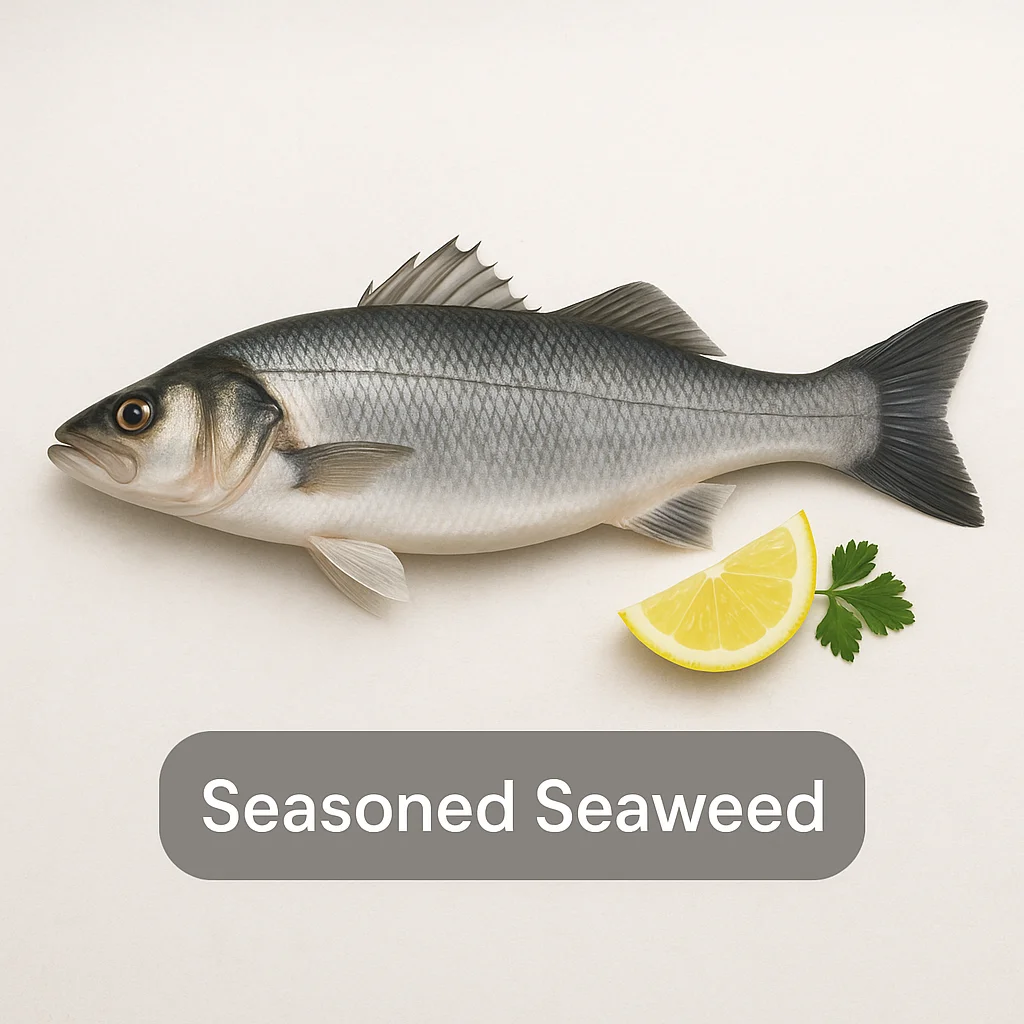
People enjoy seasoned seaweed for its mild briny taste that adds a subtle complexity to their meals. This nutrient-rich sea vegetable is not only delicious but also offers a healthy option that is low in calories yet packed with essential nutrients. As the world becomes more health-conscious, seasoned seaweed is finding its way into more kitchens as an appealing culinary choice.
🐠 Taste & Texture
The flavor of seasoned seaweed can be described as a perfect balance between salty and savory with a hint of sweetness and the characteristic oceanic umami often associated with seafood. Its texture can range from slightly chewy to crispy, depending on how it's prepared and served. When fresh, seasoned seaweed has a mild marine aroma that is typically neither overpowering nor fishy.
- Quick Taste Profile:
- Flavor: Salty and umami-rich with a hint of sweetness
- Texture: Chewy to crispy
- Aroma: Mild oceanic smell
🌊 Origin & Habitat
Seasoned seaweed thrives in various coastal environments, typically found in oceans worldwide. It is primarily harvested from rocky shorelines or grown in aquaculture facilities, both of which can influence its taste and texture. Wild-caught seaweed often has a more robust flavor, while farmed varieties are generally milder and more uniform in texture.
Common harvesting regions include parts of Asia such as Japan, Korea, and China, where seaweed has long been a staple food item. It is also becoming increasingly popular in Western countries as people discover its versatile uses and nutritional benefits.
📅 Best Season
The availability of seasoned seaweed can vary considerably by region. In general, the peak harvesting season for seaweed is in the spring and summer months when the waters are warmer, and seaweed growth is at its highest. However, there's a wide range of varieties that can be found throughout the year, making it relatively accessible regardless of the season.
Seasonality matters because it impacts the texture and flavor profile of the seaweed, as well as its price and nutritional content. When in season, seaweed tends to be at its freshest, offering the best taste and value.
🔪 Preparation
Preparing seasoned seaweed is a straightforward process, but there are a few important steps to ensure safety and quality. Start by rinsing the seaweed thoroughly to remove any impurities or excess salt. If necessary, trim any tough or fibrous edges to improve texture.
- Rinse seaweed thoroughly
- Trim tough or fibrous parts
- Pat dry before seasoning or cooking
- Store in a cool, dry place if not using immediately
To control any strong odors, you can soak the seaweed briefly in water with a splash of vinegar or milk and then rinse before final preparation. This can help neutralize the smell without altering the seaweed's natural taste.
❄️ Storage Tips
For optimal freshness, store seasoned seaweed in an airtight container in the refrigerator. It can typically last about a week when chilled. If you plan to keep it longer, consider freezing. Portion the seaweed into individual servings, remove as much air as possible from the packaging to prevent freezer burn, and label it with the date for easy tracking. Thaw in the refrigerator to maintain quality.
- Do use airtight containers for storage
- Don't leave seaweed exposed to air for extended periods
- Do portion before freezing to prevent waste
- Don't refreeze once thawed
🍽️ Popular Dishes
Seasoned seaweed is a versatile ingredient featured in a variety of dishes globally. Here are a few popular ways to enjoy it:
- Miso Soup: Adds depth and texture when cooked gently in broth
- Seaweed Salad: Features a citrusy dressing that highlights its umami flavor
- Sushi Rolls: Provides a crisp contrast to the soft fillings
- Korean Banchan: Served as seasoned sheets, offering a crispy and savory snack
- Asian Stir-fry: Tossed with vegetables and tofu for a nutritious meal
- Crispy Seaweed Chips: Baked or fried for a healthy alternative snack
- Gimbap: Wrapped with rice and an array of fillings for a savory treat
When considering raw preparations, such as salads, ensure the seaweed is from a reputable source to avoid any potential health risks associated with uncooked seafood.
🥗 Nutritional Benefits
Seasoned seaweed is a nutrient powerhouse, offering a range of vitamins, minerals, and essential compounds. It's particularly noted for its content of iodine, an essential mineral for thyroid function. Additionally, seaweed provides fiber, some protein, and various anti-inflammatory compounds.
- Rich in iodine
- Good source of dietary fiber
- Contains small amounts of protein
- Offers a range of vitamins and minerals
⚠️ Who Should Eat & Caution
While seasoned seaweed offers many nutritional benefits, there are some considerations to keep in mind. Individuals with allergies to fish or shellfish should exercise caution due to potential cross-contact during production processes. Additionally, seaweed's iodine content is significant, so consumption should be moderate, particularly for those with thyroid concerns. For pregnant individuals or children, it's advisable to consult with a healthcare provider about their iodine intake due to the varied iodine levels in seaweed.
When handling raw or undercooked seaweed, practice food safety by washing your hands, using clean utensils, and maintaining clean kitchen areas to avoid cross-contamination with other foods.
📌 Summary
Seasoned seaweed provides a delicious and healthy option that enhances various global cuisines with its unique flavor and texture. Its umami-rich taste makes it an excellent addition to salads, soups, and snacks. Proper storage and preparation can ensure you maintain its quality and safety for consumption. Overall, seasoned seaweed is a versatile ingredient that can enrich your culinary experiences while offering valuable nutrients.
- Umami-rich flavor and versatile texture
- Available year-round, with peak freshness in spring and summer
- Offers nutritional benefits but should be consumed moderately
- Ensure safety with proper handling and storage processes