🐟 Baking vs Air-Frying Fish: Times, Temperatures, and Best Results
🧭 Quick Overview
This practical guide explores the differences between baking and air-frying fish, comparing times, temperatures, and results to help you achieve perfectly cooked fish every time. This is perfect for home cooks who want to optimize their fish-cooking techniques and decide which method best suits their needs.
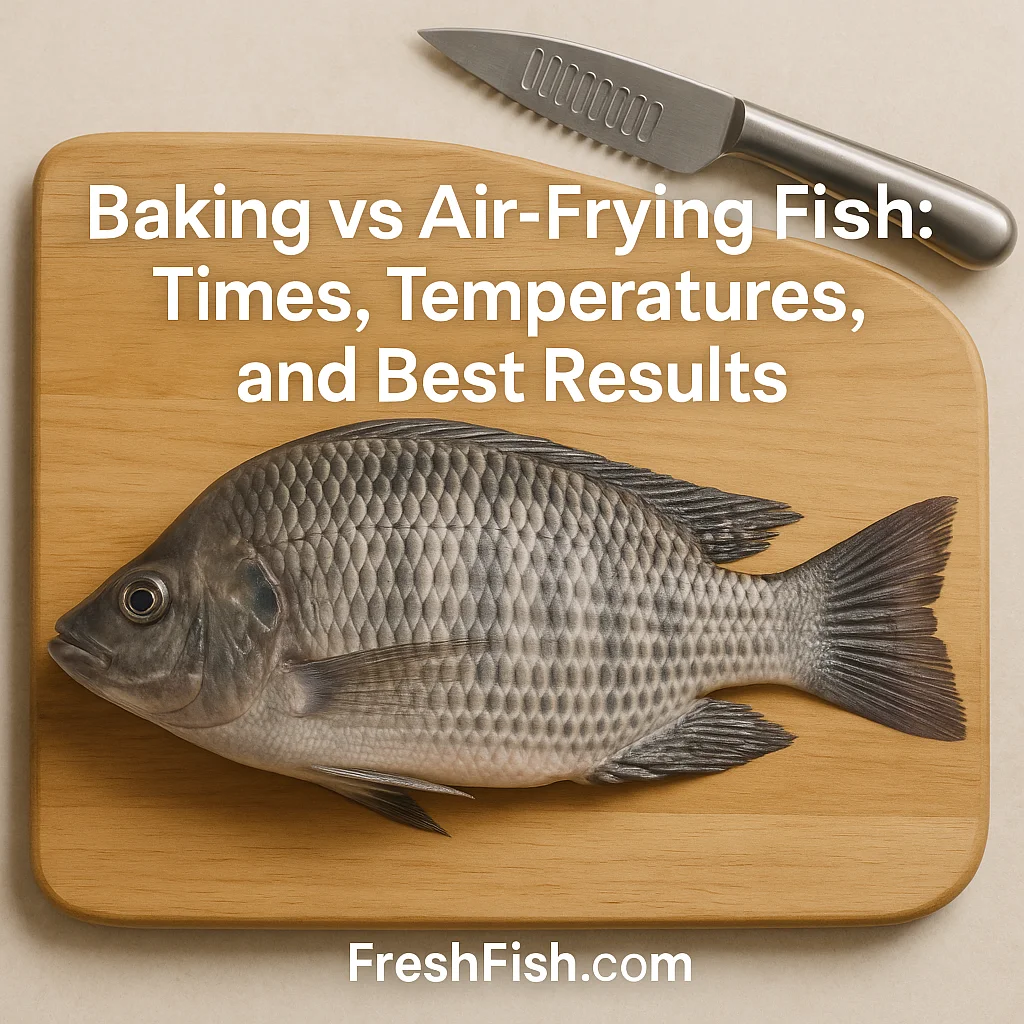
- Best for: Home cooks looking for healthier cooking methods or those curious about air-frying.
- Common problems solved: Overcooked fish, soggy texture, uneven cooking.
- What you need: Fresh fish fillets or whole fish, an oven, and an air fryer.
🧠 Why This Matters
Understanding the different cooking methods is critical for achieving the desired texture and taste of your fish. Baking and air-frying both offer distinct benefits, such as reduced fat content and crispy results, making them excellent choices for those aiming to maintain healthy eating habits while enjoying delicious meals.
✅ Step-by-Step Method
The following steps outline how to bake and air-fry fish, including preparation, cooking times, and temperature recommendations.
- Step 1: Preheat your oven to 375°F (190°C) for baking or set your air fryer to 400°F (205°C).
- Step 2: Prepare the fish by patting it dry with a paper towel and seasoning it with salt, pepper, and any desired herbs or spices.
- Step 3: For baking, line a baking sheet with parchment paper and place the fish on it. For air-frying, lightly oil the air fryer basket and place the fish inside.
- Step 4: Bake the fish for 12-15 minutes, or until the internal temperature reaches 145°F (63°C). Air-fry for 10-12 minutes, shaking the basket halfway through.
- Step 5: Once cooked, let the fish rest for a few minutes before serving.
🧾 Checklist
This checklist ensures you have covered all the elements for the best results in baking or air-frying fish.
- Ensure fish is fresh and properly thawed if previously frozen.
- Season fish prior to cooking.
- Preheat your oven or air fryer.
- Monitor internal temperature of fish while cooking.
- Allow fish to rest briefly after cooking for optimal texture.
⚠️ Common Mistakes & Fixes
- Mistake: Overcooking fish. Fix: Use a meat thermometer to check for doneness instead of relying on time alone.
- Mistake: Fish sticking to the pan or basket. Fix: Ensure cooking surfaces are properly greased or lined with parchment paper.
- Mistake: Uneven cooking. Fix: Ensure fish fillets are of uniform thickness and arrange them in a single layer without overlaps.
🌍 Variations by Fish Type
Different types of fish may require adjustments in cooking methods to achieve the best results.
- Oily fish: For fish like salmon, reduce cooking time slightly due to natural oils requiring less time to cook.
- Lean white fish: Cod or haddock benefit from marinating or adding a light coating to prevent drying.
- Thick steaks: Adjust cooking time upwards by a few minutes to allow the center to fully cook.
- Thin fillets: Watch closely to avoid overcooking, as they cook very quickly.
🧊 Storage & Leftovers
For storage, cool the cooked fish to room temperature, then refrigerate in an airtight container for up to 3 days. To reheat, use a low oven at 300°F (150°C) or return to the air fryer at 350°F (175°C) for a few minutes to gently reheat without drying out the fish.
🛒 Buying Tips
Choose fish that have clear eyes, bright red gills, and a fresh sea smell if buying whole. For fillets, look for firm flesh, a vibrant color, and no signs of discoloration.
🧼 Safety Notes
To prevent cross-contamination, always use separate utensils and cutting boards for raw and cooked fish. Ensure fish reaches an internal temperature of 145°F (63°C) to safely consume. When in doubt about freshness, err on the side of caution and do not consume.
❓ FAQs
- Question: Can I bake and air-fry the fish from frozen? Answer: While possible, fresh or fully thawed fish yields better results.
- Question: Should I use the same seasoning for both methods? Answer: Yes, but you can experiment with different coatings or marinades to suit your taste.
- Question: How do I know when the fish is done? Answer: It should be opaque, flake easily with a fork, and have reached an internal temperature of 145°F (63°C).
📌 Summary
- Both baking and air-frying offer health-conscious ways to prepare fish.
- Adjust time and temperature based on fish type and thickness for best results.
- Always check the fish for doneness with a thermometer to ensure safety.