🐟 Which Fish Smell “Too Fishy”? Normal vs Spoiled Odors (What to Trust)
🧭 Quick Overview
Understanding fish odors is crucial for anyone who enjoys cooking seafood at home. This guide helps distinguish between normal and spoiled fish odors to ensure safety and enhance culinary experiences.
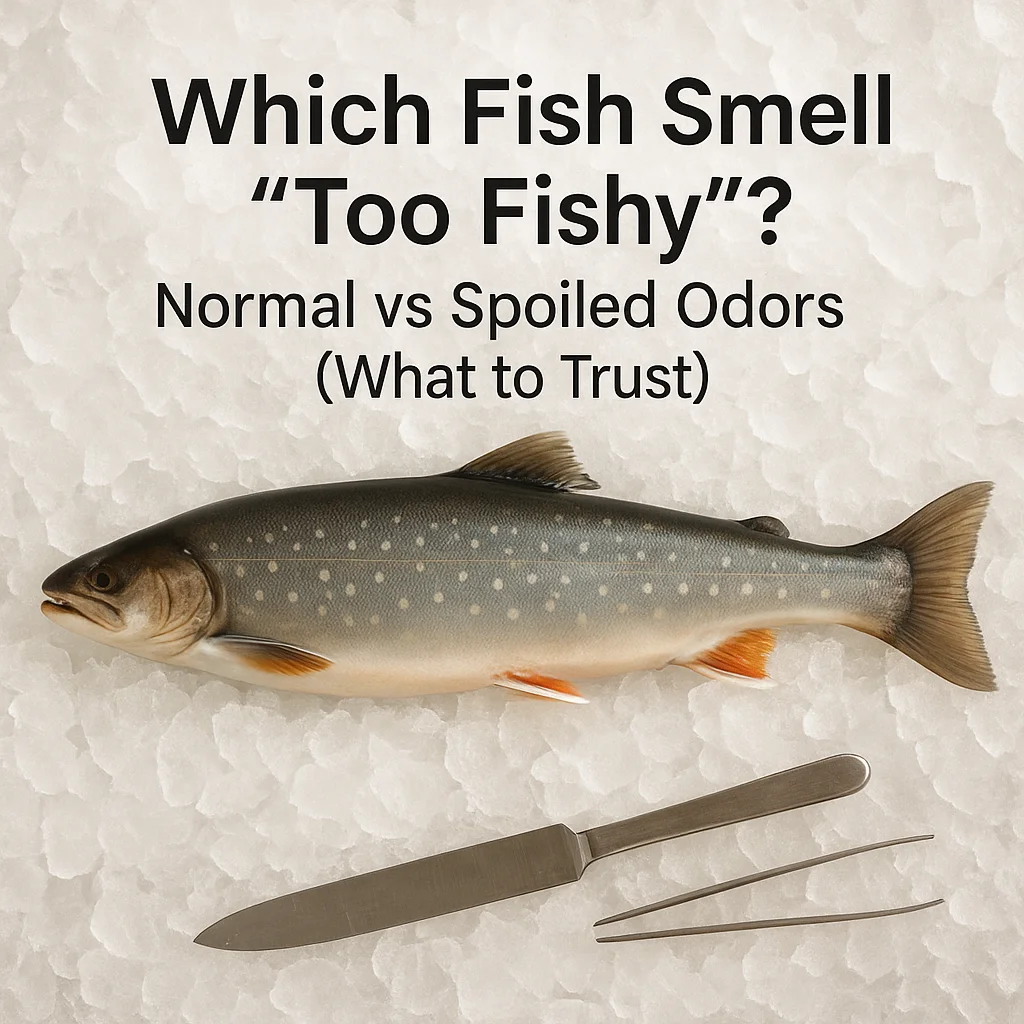
- Best for: Home cooks, seafood enthusiasts, grocery shoppers
- Common problems solved: Identifying spoiled fish, preventing foodborne illness, ensuring quality meals
- What you need: Fresh fish, keen sense of smell, willingness to learn
🧠 Why This Matters
Fish is a delicious and healthy protein source, but its freshness is critical for safety and taste. Knowing the difference between normal and bad odors prevents spoilage issues, reduces waste, and ensures a pleasant dining experience.
✅ Step-by-Step Method
Follow these steps to identify if a fish smell is off-putting or a natural attribute of the species.
- Step 1: Recognize normal fish scents. Fresh fish should have a mild scent of the sea, not a pungent odor.
- Step 2: Check for off-odors. Spoiled fish typically has an overpowering fishy smell or an ammonia-like stench.
- Step 3: Inspect the texture and eyes. Sticky film and cloudy eyes often accompany bad smelling fish.
- Step 4: Observe the color. Fresh fish usually has vibrant, unblemished flesh.
- Step 5: When in doubt, rely on trusted sources. Purchase fish from reputable sources or consult experts.
🧾 Checklist
Use this checklist to ensure fish quality before purchasing or cooking.
- Fresh sea scent, not fishy or ammonia-like
- Clear, shiny eyes and vibrant skin
- Firm texture without sticky film
- No discoloration or dark spots on flesh
- Purchase from known, reputable vendors
⚠️ Common Mistakes & Fixes
- Mistake: Ignoring a mild fishy smell. Fix: Know that a slight scent is normal, but overbearing odors signal spoilage.
- Mistake: Purchasing fish without examining eyes or skin color. Fix: Always visually inspect fish when buying.
- Mistake: Assuming all fish types smell the same. Fix: Acknowledge that different species have varying scent profiles.
🌍 Variations by Fish Type
Different types of fish exhibit different odor profiles and determining freshness may vary.
- Oily fish: Such as salmon and mackerel naturally have a stronger smell, but should still smell like fresh ocean.
- Lean white fish: Cod and sole have subtler scents; any strong smell may indicate spoilage.
- Thick steaks: Tuna steaks should have a clean, meaty smell; any sourness is a red flag.
- Thin fillets: Fillets like tilapia should retain a fresh sea aroma despite their size.
🧊 Storage & Leftovers
Store fresh fish in the coldest part of the fridge and use within two days. For leftovers, ensure quick cooling and consume within three days. Always reheat thoroughly.
🛒 Buying Tips (if relevant)
When shopping, look for firm, shiny-eyed whole fish. For fillets, ensure they are moist and ink-free. Avoid fish with a strong fishy odor or brown edges.
🧼 Safety Notes
To avoid cross-contamination, keep fish separate from other food items. Use clean utensils and cutting boards. Cook to a safe internal temperature and be cautious with undercooked fish.
❓ FAQs
- Question: How does fresh fish smell? Answer: It should smell like a clean ocean breeze.
- Question: Can I cook fish that smells slightly fishy? Answer: Mild fishiness can be normal, but strong odors suggest spoilage.
- Question: How long can I store fresh fish? Answer: Ideally within two days in the fridge for best quality.
📌 Summary
- Fresh fish should have a mild, clean ocean scent.
- Avoid fish with an overpowering fishy or ammonia odor.
- Proper storage and careful inspection ensure a safe, enjoyable meal.