🐟 How to Spot Quality Seafood at the Counter (Ice, Display, Handling Red Flags)
🧭 Quick Overview
This guide is designed to help you confidently select quality seafood at your local fishmonger or grocery store. Understanding key indicators of freshness and quality is crucial for ensuring that your seafood is safe, delicious, and worth the investment.
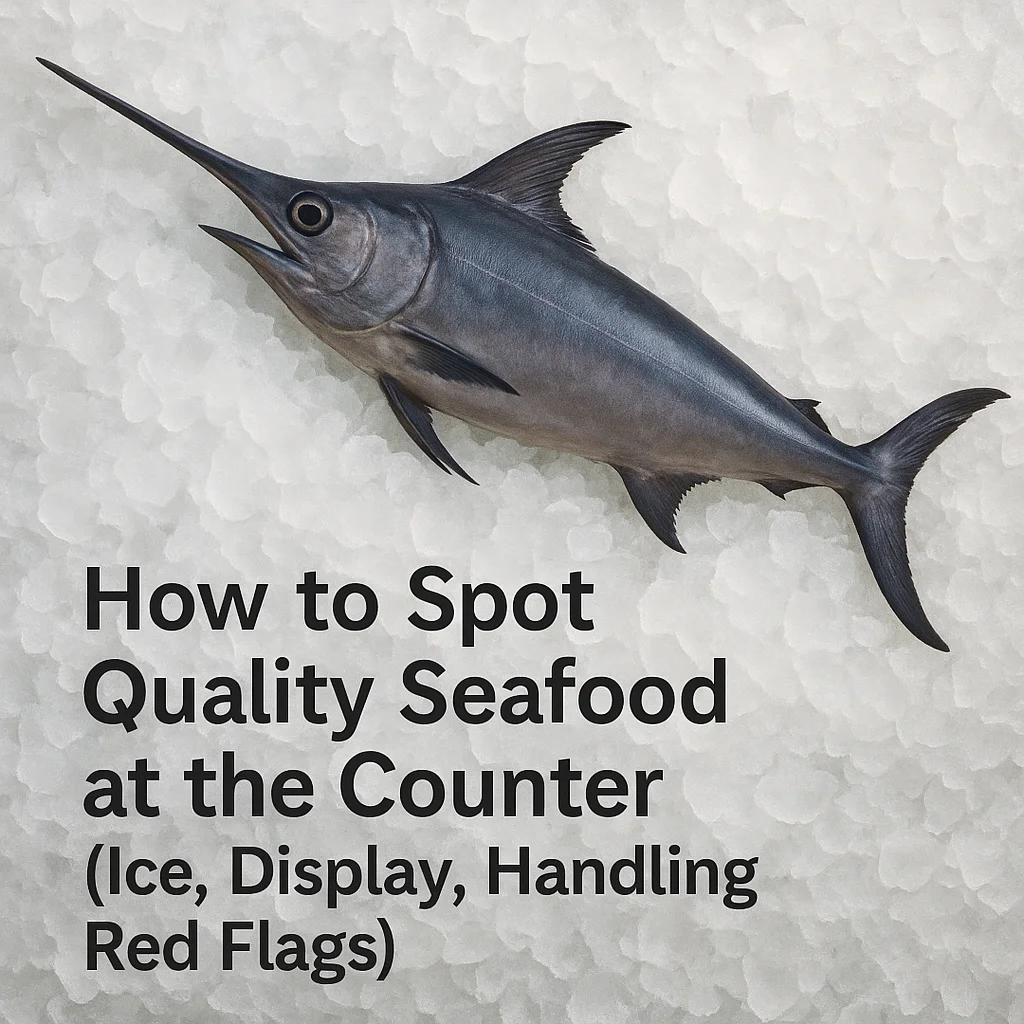
- Best for: Home cooks, seafood enthusiasts, and anyone wanting to avoid spoiled or low-quality seafood.
- Common problems solved: Identifying freshness, avoiding poor quality or mishandled seafood, and ensuring better taste and safety.
- What you need: A keen eye and a bit of knowledge about seafood appearance and handling.
🧠 Why This Matters
Purchasing quality seafood is not only about getting good value for your money; it's also about ensuring the health and safety of those enjoying the meal. Fresh seafood offers superior taste and texture, while also significantly reducing the risks of foodborne illnesses often associated with improperly stored or handled fish and shellfish.
✅ Step-by-Step Method
Follow these steps to select the best seafood available at the counter.
- Step 1: Inspect the Ice: High-quality seafood counters should have ample ice that is clean and fresh. The seafood should be properly embedded in it to maintain a consistent temperature.
- Step 2: Assess the Display: Check for signs of wet and properly drained displays. Open, dry, or cluttered displays may indicate poor handling practices.
- Step 3: Check Seafood Appearance: Fresh fish should have clear eyes and glossy skin. Shellfish should have closed shells or close when tapped—indicating they're alive.
- Step 4: Smell the Area: Quality seafood should smell of the ocean or be completely odorless. Avoid counters with a strong fishy or ammonia-like smell.
- Step 5: Observe Handling Practices: Make sure staff use clean utensils and gloves, handling seafood with care to prevent contamination.
🧾 Checklist
Use this checklist to evaluate the quality of seafood at the counter.
- Ensure seafood is well-covered with clean, fresh ice.
- Look for clear, bulging eyes and shiny skin on fish.
- Verify the presence of an ocean-fresh scent.
- Confirm shellfish are alive with closed shells.
- Observe careful and hygienic handling by staff.
⚠️ Common Mistakes & Fixes
- Mistake: Buying seafood from poorly maintained displays. Fix: Choose vendors with clean, well-iced displays.
- Mistake: Ignoring unpleasant odors. Fix: Only purchase seafood that smells fresh or of the sea.
- Mistake: Not verifying the handling practices. Fix: Watch staff handle seafood and ensure they use clean tools.
🌍 Variations by Fish Type
The selection process might slightly vary depending on the type of fish you are purchasing.
- Oily fish: Look for firm flesh and a metallic sheen. The skin should not be too dull or dry.
- Lean white fish: Flesh should be translucent and should bounce back when touched.
- Thick steaks: Should be moist, and the color should be vibrant without any browning or dull edges.
- Thin fillets: Should be consistent in color and have a firm texture.
🧊 Storage & Leftovers
Once you've selected your seafood, store it immediately in the coldest part of your refrigerator and use it within 1-2 days. If freezing, wrap it tightly to prevent freezer burn. Consume within 2-3 months for best quality. Always reheat leftovers thoroughly before consuming.
🛒 Buying Tips (if relevant)
When shopping for seafood, consider the following tips: Look for certifications like MSC or ASC for sustainably sourced options. Pay attention to firmness and color, ensuring freshness is manifest in appearance and texture. Avoid dull discoloration, which suggests age or spoilage.
🧼 Safety Notes
Always prioritize safety by preventing cross-contamination. Never place cooked seafood on a surface that held raw fish. Ensure seafood reaches an internal temperature of 145°F (63°C) for safe consumption. When in doubt, err on the side of caution, especially if the seafood's quality is uncertain.
❓ FAQs
- Question: How long can fresh seafood be kept in the refrigerator? Answer: Fresh seafood should be used within 1-2 days.
- Question: What indicates a fish is not fresh? Answer: Cloudy eyes, dull skin, and a strong fishy smell are red flags.
- Question: Can I refreeze thawed seafood? Answer: It is generally not recommended to refreeze seafood once it has been thawed.
📌 Summary
- Ensure seafood is displayed on a clean ice bed and handled properly.
- Fresh seafood has clear eyes, firm flesh, and a sea-fresh scent.
- Maintain food safety by storing seafood correctly and cooking it thoroughly.