🐟 Sardine
The sardine is a small, oily fish that is highly regarded for its delicate flavor and rich nutrient profile. Often referred to as pilchards in some regions, these silver-hued fish are a staple in various global cuisines due to their affordability and health benefits. Sardines are popular for their strong umami flavor and high omega-3 fatty acid content, making them a sought-after component for both everyday meals and gourmet dishes.
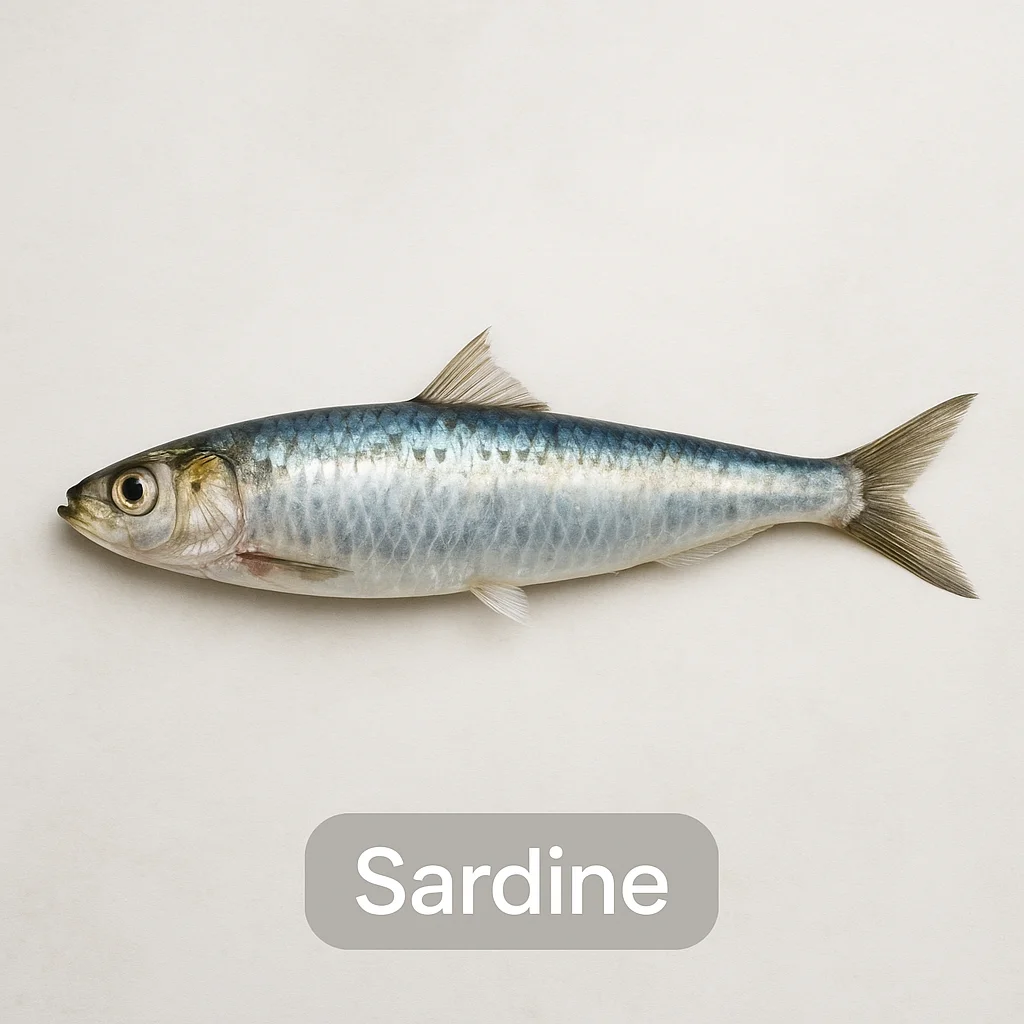
People enjoy sardines for their versatility and nutritional advantages. They can be grilled, fried, or added to salads and pastas, offering a depth of flavor that enhances any dish. Being an oily fish, sardines offer a texture and taste experience that ranges from subtle sweetness to a more robust, briny flavor profile, depending on their preparation and seasoning.
🐠 Taste & Texture
Sardines are known for their flavorful intensity and slightly sweet aftertaste, balanced by their natural saltiness. As oily fish, they exhibit a rich fattiness that contributes to a moist, tender mouthfeel and a soft flake texture. Fresh sardines offer a mild aroma of the sea, free from any off-putting fishy smells, indicating their freshness.
- Quick taste profile:
- Rich and umami flavor
- Slightly sweet and naturally salty
- Soft, tender flakes
- Mild sea aroma when fresh
🌊 Origin & Habitat
Sardines primarily inhabit coastal waters and are commonly found throughout the Atlantic, Pacific, and Mediterranean regions. They thrive in the temperate and subtropical waters, where they commonly swim in large schools. While most sardines are caught in the wild, there is a noticeable difference in flavor and texture between wild and farmed varieties. Wild sardines tend to have a more pronounced taste, while farmed sardines may offer a milder flavor due to their controlled diets.
Harvesting of sardines is widespread, with notable fisheries located in regions such as the Iberian Peninsula, North Africa, Japan, and various parts of North and South America.
📅 Best Season
The peak season for sardines generally occurs from late spring to early autumn when they are most abundant and fatty, enhancing their flavor and texture. During this time, sardines are more readily available and typically fresher in markets, which can also lead to more attractive pricing. However, the exact timing of the sardine season can vary, so it is advised to check local market availability.
🔪 Preparation
Preparing sardines can be straightforward with the right approach. Start by cleaning the fish under cold running water. Scaling is necessary to remove the outer layer of scales; this can be done gently with the back of a knife. Gutting is essential to remove the internal organs, typically done by making a cut along the belly from head to tail and pulling out the innards. Ensure the removal of pin bones for a smooth eating experience. Sharp knives and careful handling will help avoid damaging the flesh.
- Beginner's prep checklist:
- Rinse under cold water
- Scale with the back of a knife
- Gut by cutting along the belly
- Remove pin bones carefully
To control any strong odors, sardines can benefit from soaking in milk for a short period or a quick rinse using salt water. These methods can help neutralize the smell, making the fish more pleasant to handle and cook.
❄️ Storage Tips
Proper storage is critical for maintaining sardine freshness. In the refrigerator, sardines are best consumed within 1–2 days. Store them on ice or wrap them tightly in airtight packaging to prevent spoilage. If freezing, portion sardines and ensure excess air is removed from storage bags to prevent freezer burn. For safe thawing, place sardines in the refrigerator overnight.
- Do:
- Store on ice or airtight wrap in the fridge
- Portion before freezing
- Thaw overnight in the fridge
- Don't:
- Store at room temperature
- Refreeze once thawed
🍽️ Popular Dishes
Sardines shine in various culinary applications across the globe. In Mediterranean cuisine, grilled sardines with herbs are a crowd favorite, accentuating their smoky flavor. Pan-searing or frying sardines gives them a crispy exterior, often enjoyed with a fresh lemon squeeze. For a hearty option, sardines can be part of a stew or baked with vegetables.
- Dish ideas:
- Grilled sardines with herbs - emphasizes smoky flavors
- Pan-seared with lemon - crispy and zesty
- Sardine stew - hearty and savory
- Fried sardines - crispy texture
- Sardines en papillote with veggies - gentle steaming
- Sardines in ceviche - if raw, source carefully and ensure freshness
When preparing raw or ceviche-style dishes, it is crucial to ensure that sardines are fresh and sashimi-grade to mitigate risks related to consuming raw seafood.
🥗 Nutritional Benefits
Sardines offer a robust nutritional profile, making them a valuable addition to a balanced diet. They are an excellent source of protein, essential for muscle repair and growth. Rich in omega-3 fatty acids, sardines may contribute to heart health. Additionally, they provide essential vitamins such as vitamin B12, and minerals like calcium and phosphorus, integral for bone health.
- Notable nutrients:
- Protein
- Omega-3 fatty acids
- Vitamin B12
- Calcium and phosphorus
⚠️ Who Should Eat & Caution
While sardines are nutritious, those with fish allergies or seafood sensitivities should avoid them. Cross-contact in kitchens can occur, so it is important to communicate any dietary restrictions clearly. Sardines generally contain lower mercury levels, making them safer for moderate consumption compared to larger predatory fish. However, pregnant individuals and young children should consume sardines in moderation.
When consuming raw or undercooked sardines, the risk of foodborne illnesses increases, highlighting the importance of proper handling and sourcing. Safe cooking practices, like ensuring seafood is cooked until opaque and flakes easily, help reduce these risks.
📌 Summary
Sardines offer a unique blend of rich umami flavors and tender textures, making them suitable for a variety of dishes, from grilled specialties to savory stews. With proper handling, storage, and preparation, sardines can be an enjoyable part of any meal, providing numerous health benefits due to their high protein and omega-3 content. Their versatility and affordability make them a delightful treat for many seafood lovers.
- Key takeaways:
- Sardines have a rich, oily flavor and soft texture.
- Best enjoyed during peak seasons for freshness.
- Offer significant health benefits with omega-3 and protein.
- Respect handling and storage guidelines to ensure safety.