🐟 Pacific Herring
The Pacific Herring, scientifically known as Clupea pallasii, is a small, oily fish that is a staple food source across many cultures. Sought after for its rich flavor and high nutritional value, Pacific Herring is often enjoyed smoked, pickled, or cooked in various traditional recipes. Commonly referred to in different regions as just "herring" or "sea herring," this versatile fish plays a crucial role in both culinary and ecological environments.
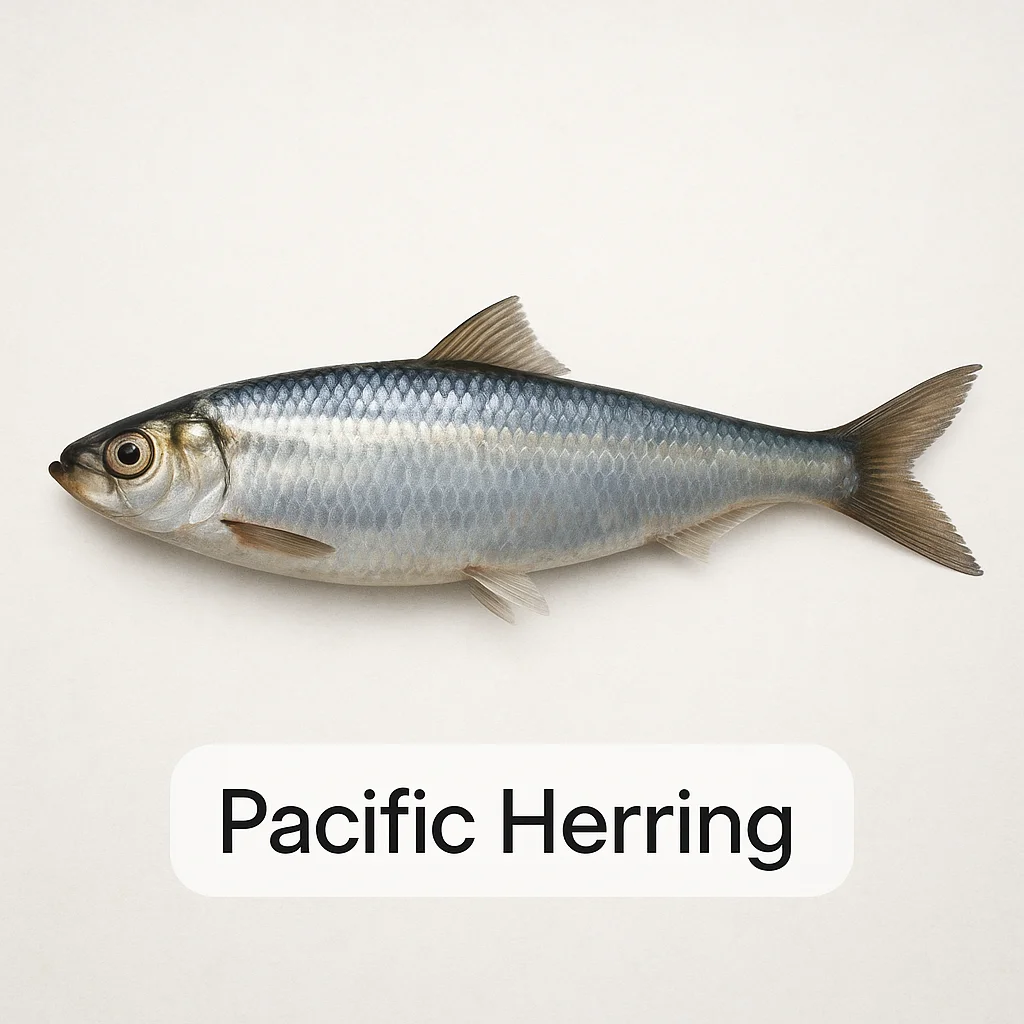
People eat Pacific Herring not only for its robust taste but also for its health benefits. Being an oily fish, it is rich in omega-3 fatty acids, which are beneficial for heart health. This fish is widely used and appreciated for its strong yet pleasant flavor, making it a favorite among seafood enthusiasts worldwide.
🐠 Taste & Texture
Pacific Herring offers a deliciously oily and rich taste profile, with a distinct flavor that's not overwhelmingly intense but certainly distinctive among seafood. The fish is slightly sweet and has a natural saltiness, complementing its firm yet tender flesh. Fresh Pacific Herring should have no "fishy" smell but rather a fresh sea aroma that is pleasing and characteristic of good-quality fish.
- Flavor: Rich, oily, slightly sweet
- Texture: Firm yet tender, with fine flakes
- Smell: Fresh sea aroma when very fresh
🌊 Origin & Habitat
Pacific Herring is typically found in the coastal waters of the North Pacific Ocean. They thrive in cool waters, often frequenting bays, estuaries, and some offshore environments. Unlike some other seafood options, herring is primarily harvested from the wild rather than farmed, lending to its natural, robust flavor and availability in specific regions such as the United States, Canada, and parts of Northern Asia.
📅 Best Season
The seasonality of Pacific Herring can vary widely depending on the region. In general, they are most abundantly caught during the spring and early summer months when they spawn. This peak season is essential as it often determines the optimal fat content, which contributes to the fish's excellent texture and flavor. However, availability may vary, so it's advisable to check local sources for the most accurate seasonal information.
🔪 Preparation
Preparing Pacific Herring involves several basic steps to ensure you get the best out of its flavor and texture. Begin by cleaning the fish thoroughly, removing scales, and gutting it carefully. Pin bones can be found along the length of the fish, so gently remove them with tweezers for a smooth eating experience.
- Rinse fish under cold water
- De-scale using the back of a knife
- Remove innards carefully
- Detach pin bones with tweezers
To manage any strong odors, a brief soak in milk or a light salting before rinsing can help neutralize them, making the herring more palatable for those sensitive to stronger seafood aromas.
❄️ Storage Tips
For the freshest taste, Pacific Herring should be consumed soon after purchase. However, they can be stored in the refrigerator for up to two days. Ensure they are kept on a bed of ice and wrapped securely to maintain freshness. If freezing, portion them into airtight bags, remove as much air as possible, and use them within three months for the best quality. When ready to use, defrost gradually in the refrigerator.
- Do keep herring cold on ice in the fridge
- Do wrap in airtight packaging for freezing
- Don't refreeze once thawed
- Don't leave at room temperature for extended periods
🍽️ Popular Dishes
Pacific Herring is a versatile fish and can be used in a variety of culinary applications worldwide. Some popular dishes include grilled herring, which brings out the fish's oiliness and enhances its rich flavor, and smoked herring, a beloved treat in many parts of Europe. For those who enjoy a bit of spice, pickled herring offers a sharp, tangy taste that complements its natural oils. In Japanese cuisine, herring can be found in sushi, usually grilled, which adds a smoky flavor. Be cautious with raw preparations and ensure the fish is of sashimi-grade quality due to the risk of parasites.
- Grilled Herring
- Smoked Herring
- Pickled Herring
- Baked Herring with herbs
- Fried Herring
- Ceviche-style Herring
🥗 Nutritional Benefits
Pacific Herring is a powerhouse of nutrition. It's an excellent source of high-quality protein, essential for body repair and muscle growth. Moreover, herring is loaded with omega-3 fatty acids, promoting heart health and reducing inflammation. It also contains vital vitamins and minerals, such as vitamin D, vitamin B12, and selenium, which support various body functions.
- High in protein
- Rich in omega-3 fatty acids
- Contains vitamin D and B12
- Good source of minerals like selenium
⚠️ Who Should Eat & Caution
While Pacific Herring is nutritious, those with fish allergies should avoid consumption to prevent allergic reactions. Cross-contact with other allergens in kitchens is possible, so be mindful when preparing meals. Regarding mercury, herring typically has lower levels compared to larger predatory fish, making it a safer choice for pregnant individuals and children when consumed in moderation. Raw or undercooked seafood poses risks of foodborne illness; therefore, ensure proper handling and thorough cooking.
📌 Summary
Pacific Herring is a flavorful, nutritious, and versatile fish enjoyed in many cultures. Known for its rich, oily texture and slightly sweet taste, it can be prepared in various ways, from gravlax to simple grilling. Storing it correctly ensures the best flavor and safety for consumption. By choosing seasonal and sustainably harvested herring, consumers can appreciate this seafood responsibly.
- Rich, oily flavor
- Best fresh or smoked
- Store on ice or frozen for longevity