🐟 Amberjack
Amberjack, also known as "King Fish" or "Greater Amberjack," is a popular fish among seafood enthusiasts due to its rich, buttery flavor and satisfying meatiness. Found in both wild and farmed forms, Amberjack offers a versatile culinary experience that can suit a wide range of cooking methods and dishes. With its robust texture and balanced taste, it is no wonder Amberjack is enjoyed in various cuisine styles worldwide.
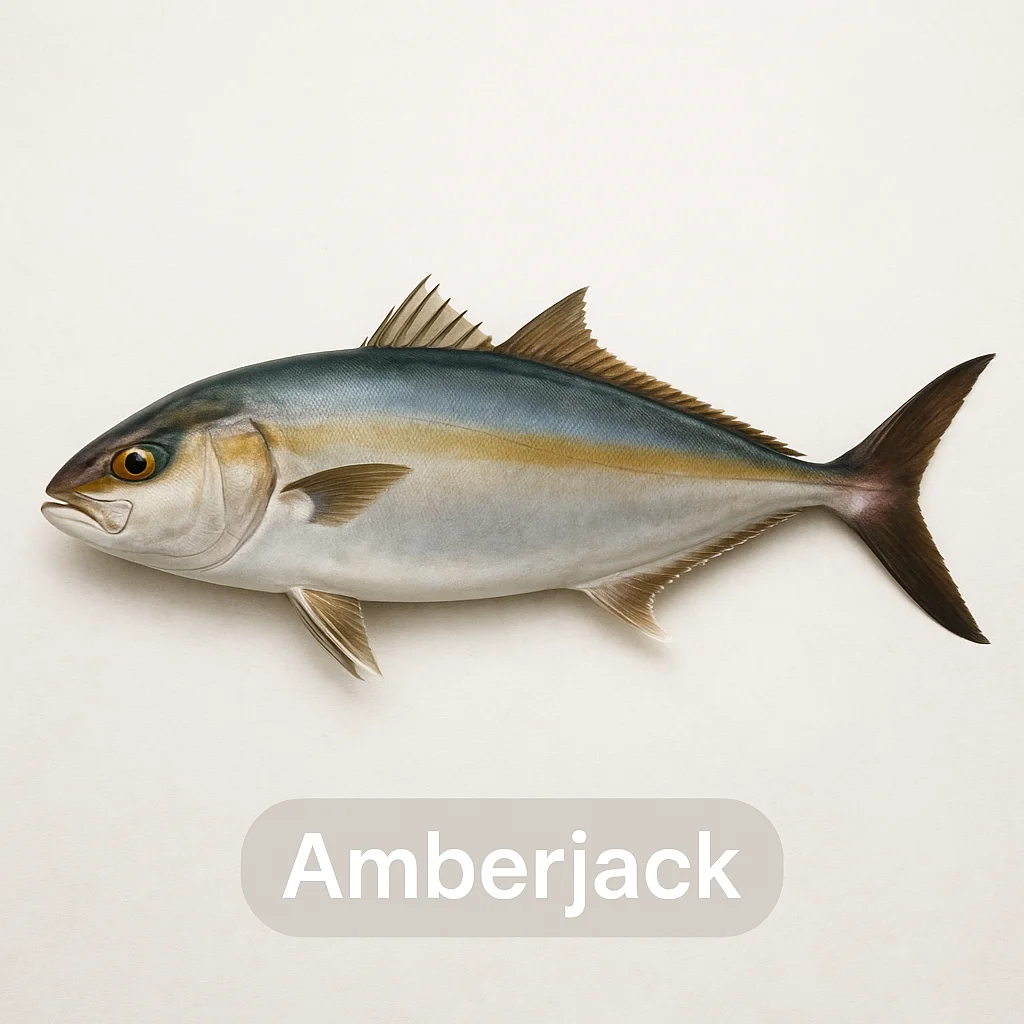
People eat Amberjack for its delightful taste and texture, which is suitable for grilling, baking, and even sashimi-style preparations. However, it's essential to handle Amberjack properly to maintain its quality and ensure food safety. In this guide, we will explore everything from its taste profile to nutrition and preparation tips, aiming to enrich your culinary endeavors safely and deliciously.
🐠 Taste & Texture
Amberjack is characterized by a bold flavor with a slightly sweet undertone. Its flesh is firm and holds together well when cooked, while its high oil content provides a delightful mouthfeel and a juicy, tender experience.
- Bold and buttery flavor
- Firm, meaty texture
- Moderate oiliness creates a juicy mouthfeel
- Large flakes
- Fresh smell when properly stored
🌊 Origin & Habitat
Amberjack typically inhabits warm waters and is found in coastal regions, often near reefs or wrecks. Both wild and farmed varieties exist, with wild Amberjack generally boasting a more robust flavor profile. It is commonly harvested in the Atlantic Ocean and the Mediterranean Sea, giving it a broad appeal to international markets.
While wild Amberjack can be more flavorful, farmed Amberjack is often more accessible and consistent in availability, allowing for a steady supply throughout the year.
📅 Best Season
The availability of Amberjack can vary by region, though its peak season often aligns with warmer months when its fat content is highest. This results in improved texture and flavor, making it an ideal time to enjoy this fish at its best value. However, due to differences in regional fishing practices, seasonality can be inconsistent, so it's essential to consult local markets for the best purchasing times.
🔪 Preparation
Preparing Amberjack involves several essential steps to ensure it is kitchen-ready. First, the fish should be properly cleaned, scaled, and gutted. Removing pin bones is crucial for a smooth eating experience. Proper knife skills are necessary to trim and fillet the fish safely. Controlling odor during preparation is also beneficial, and techniques like a quick rinse or a milk soak can help.
- Clean thoroughly and scale the fish
- Gut the fish carefully
- Remove pin bones
- Fillet or trim as needed
- Consider a quick rinse or milk soak for odor control
❄️ Storage Tips
When storing Amberjack, maintaining freshness is key. In the refrigerator, it should be consumed within 1-2 days. For longer storage, consider using ice or air-tight wrapping to prevent freezer burn. Properly frozen Amberjack can last for up to 3 months but remember to thaw it safely in the refrigerator before cooking.
- Do store in an airtight container
- Do consume within 1-2 days when refrigerated
- Do freeze in portions
- Don't leave out at room temperature
- Don't refreeze after thawing
🍽️ Popular Dishes
Amberjack is versatile, lending itself to a variety of dishes across numerous cuisines. Popular methods include:
- Grilled Amberjack steaks, highlighting its firm texture
- Pan-seared with a crispy skin finish
- In stews, absorbing flavors while maintaining its shape
- Fried in a tempura batter for a crunchy bite
- Steamed with herbs, showcasing its natural flavors
- Baked with lemon and herbs for a succulent result
- Ceviche-style, using lime juice to marinate; ensure it's sashimi-grade for safety
Always caution when preparing raw dishes to ensure the fish is sourced safely and fresh.
🥗 Nutritional Benefits
As a nutritious seafood choice, Amberjack provides several dietary benefits, being high in protein and omega-3 fatty acids. It also contains vitamins and minerals that contribute to a balanced diet.
- High in protein
- Good source of omega-3 fatty acids
- Contains vitamins such as B12 and D
- Provides essential minerals like selenium and magnesium
⚠️ Who Should Eat & Caution
While Amberjack is nutritious, it is essential to consider certain dietary cautions. Like all fish, it may cause allergies in individuals sensitive to seafood. Mercury levels, though variable, should be taken into account by pregnant people, children, and those with health concerns, advising moderated consumption. It is crucial to handle fish correctly to avoid cross-contamination and reduce the risk of raw seafood pathogens.
📌 Summary
Amberjack offers a delightful harmony of bold flavors and meaty texture, making it a much-coveted ingredient for various culinary dishes. With its range of preparation methods and nutritional benefits, it caters to diverse preferences and dietary needs. Proper storage and handling procedures will ensure that Amberjack remains a safe and flavorful choice for seafood lovers.
- Bold, firm, and buttery flavor profile
- Peaks in warmer months but availability varies
- Suitable for grilling, baking, and sashimi
- Nutritious with healthy proteins and omega-3s
- Handle with care to prevent contamination